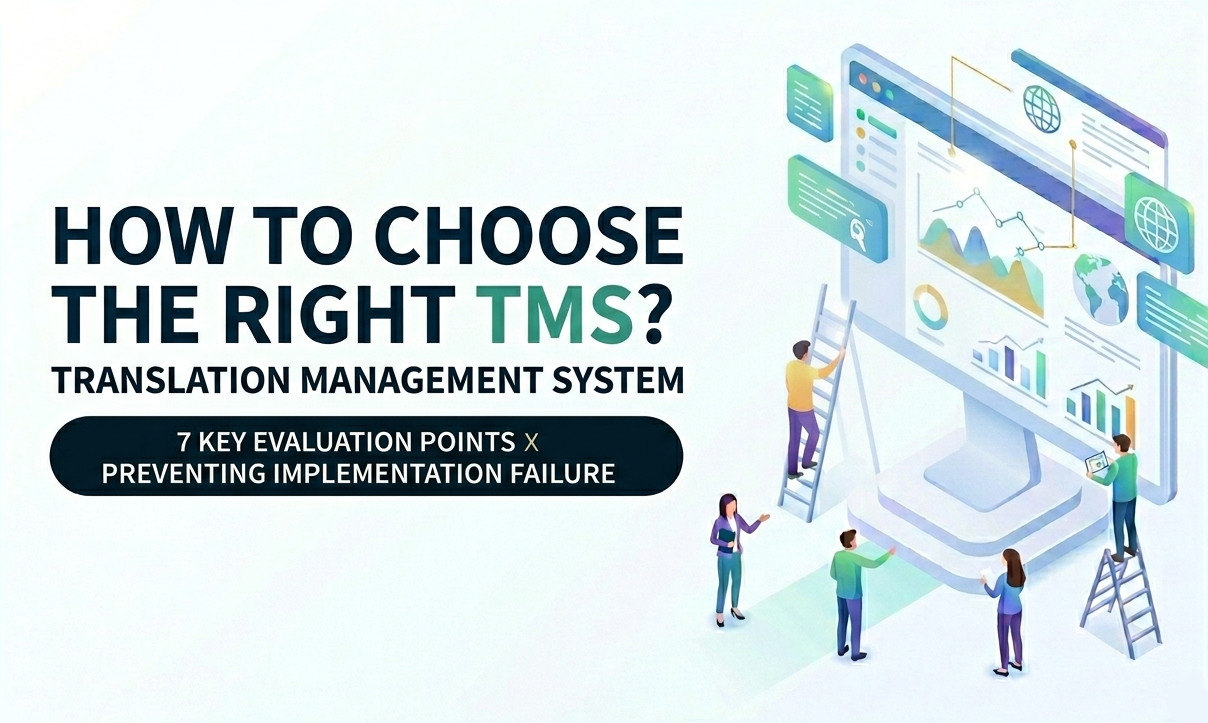
How to Choose a TMS? 7 Key Factors Companies Often Overlook
Translation Management System (TMS)
18 May 2026
1. Introduction: Why Choosing a TMS Is Harder Than You Think
In our previous articles, we discussed:
- When enterprise content scales across multiple languages, translation inevitably becomes a workflow bottleneck
- Enterprise Translation Management Systems (TMS) require more than just translation features—they need process, integration, and governance capabilities
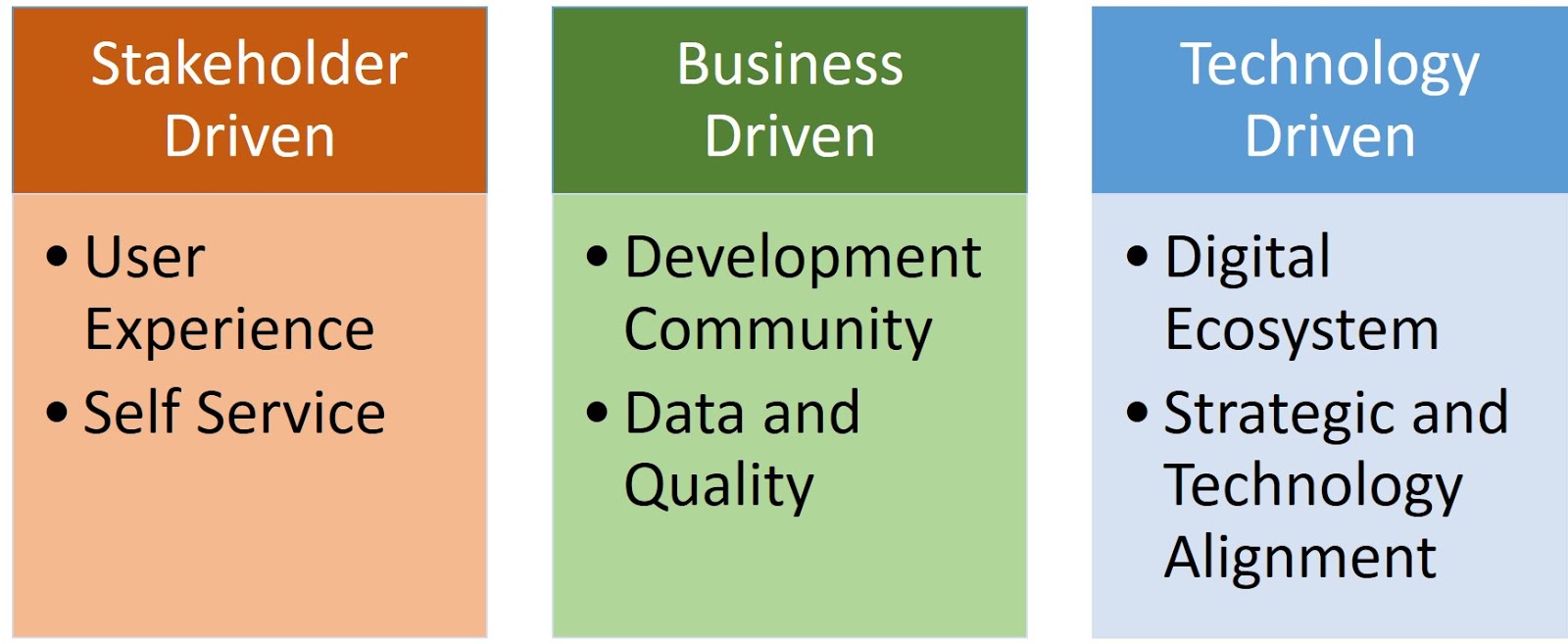
However, when enterprises actually enter the “platform selection” phase, another problem often arises:
After watching a demo and comparing feature lists, they still don’t know which solution truly fits their needs.
The reason is that when most enterprises evaluate TMS platforms, their focus often doesn’t fully align with “actual implementation success.”
2. 7 Key Evaluation Points Enterprises Most Often Overlook When Comparing TMS Platforms
Evaluation Point 1: Does This TMS Match Your Actual Content Sources?
Many enterprises assume the translation workflow is “export files → translate → import” when evaluating TMS.
But reality is often:
- Content comes from CMS, DAM, product systems, and marketing tools
- Different departments use different content sources
- Content updates frequently and requires real-time synchronization
If the TMS cannot smoothly integrate these sources, actual usage will still revert to manual processing.
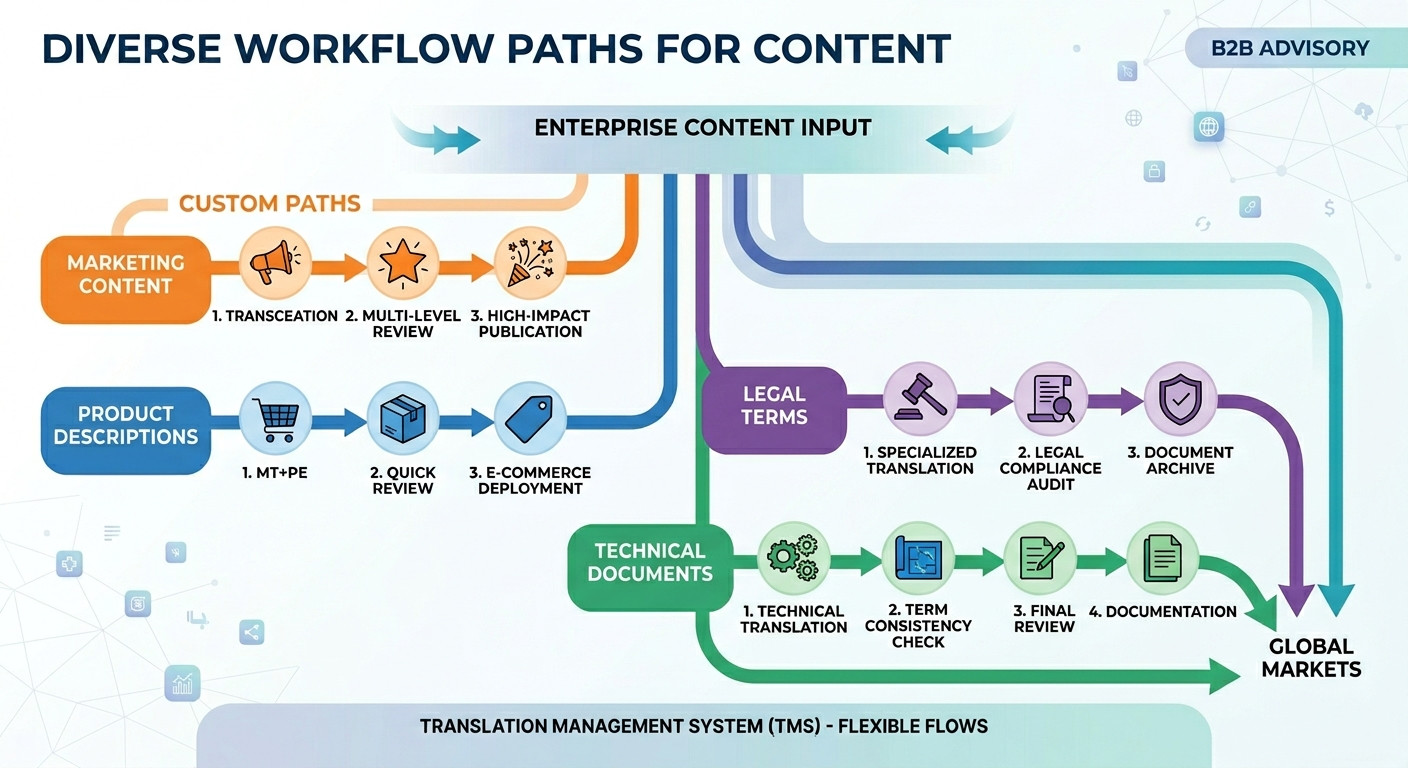
Evaluation Point 2: Can Translation Workflows Be Flexibly Adjusted Based on Content Type?
Enterprise content doesn’t all require the same translation workflow:
- Marketing slogans
- Product descriptions
- Legal terms
- Technical documentation
If the TMS only supports a single workflow, teams are often forced to “adapt to the system” rather than having the system support the business.
Evaluation Point 3: Is the Role of AI Translation Clearly Defined?
Many platforms promote AI translation, but what enterprises really need to clarify is:
- Which content is suitable for AI-first translation?
- Which content absolutely requires human review?
- Can different strategies be set based on content risk levels?
If AI is just an “on/off switch,” quality and trust gaps often emerge.
Evaluation Point 4: Does It Have Long-Term Language Asset Governance Capabilities?
Translation memory and terminology databases are not just cost-saving tools—they are:
- The foundation of brand consistency
- Important assets when expanding into multiple markets
Enterprises need to evaluate whether the TMS supports long-term maintenance, version management, and cross-team sharing.
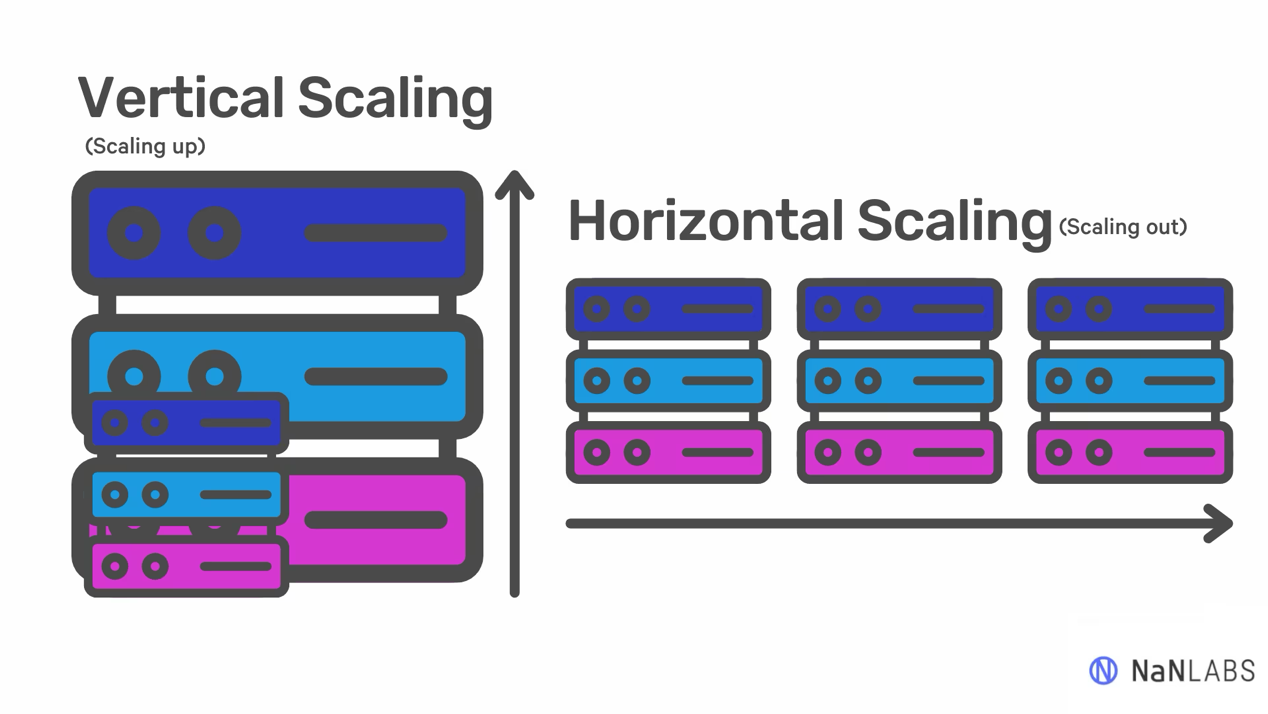
Evaluation Point 5: Can the Platform Support Future Content Growth?
Many TMS platforms work well initially, but as:
- Markets expand
- Language volumes grow
- Teams scale
the system begins to show performance, permission, or workflow limitations.
When selecting, you must consider:
Can this system support the enterprise’s content growth for 3–5 years or more?
Evaluation Point 6: Does the Vendor Understand the Complexity of Enterprise-Level Implementation?
Enterprise TMS implementation often involves:
- IT
- Marketing
- Local markets
- External language vendors
If the vendor only provides tools but lacks enterprise implementation experience, risks increase significantly.
Evaluation Point 7: Is There an Onboarding, Change, and Governance Support Mechanism?
Even the best system, without proper onboarding and change management, can eventually become “a tool that only a few people know how to use.”
Enterprises need to confirm whether the following are in place:
- Implementation planning and best practices
- Training and role design
- Long-term governance and optimization recommendations
3. Why Most TMS Implementation Issues Are Actually Decided During the Selection Phase
Many enterprises discover problems after implementation, but the root causes are often:
- Over-focusing on features while ignoring processes during selection
- Underestimating organizational and content complexity
- Failing to evaluate the vendor’s consulting and support capabilities
In other words,
TMS implementation success is largely determined before the system even goes live.
4. Conclusion: How Should Enterprises Properly Evaluate a TMS?
For enterprises, choosing a Translation Management System should not be just “comparing platforms”—it should be an opportunity to review internal content workflows and governance capabilities.
A truly mature evaluation approach should simultaneously consider:
- Whether the system fits actual content sources and workflows
- Whether it can support a long-term strategy for AI and human collaboration
- Whether the vendor has enterprise-level implementation and consulting experience
Platforms like TransPerfect GlobalLink are designed for multi-department, multi-market, multi-system integration scenarios—not just single translation needs.

If your enterprise is preparing to enter the TMS evaluation or re-selection phase, feel free to contact us and let our consulting team help you make the most suitable choice—from process and organization to platform.
Contact Us
Learn More About Enterprise Translation Management and GlobalLink Solutions
Related Articles
- What Is a Translation Management System (TMS)? 5 Major Translation Pain Points Enterprises Will Eventually Face When Scaling Content Across Languages
- What Features Should an Enterprise Translation Management System Have? A Complete Guide to AI Translation, Automated Workflows, and System Integration
- 2026 Translation Management System (TMS) Recommendation Guide: Key Criteria and Practical Recommendations for Enterprises Evaluating Platforms
- Can Enterprises Implement a Translation Management System on Their Own? Common Causes of TMS Implementation Failure and the Necessity of Consultant Involvement
Related Articles
Enterprise AI MarTech Trends Analysis 2024-2029 Outlook Report
From AI content productivity tools to a core engine for revenue growth and marketing transformation
*The PDF will be sent directly to your inbox.