
Unify Customer Data, Automate Journeys, and Engage Customers on WeChat
Tencent Marketing Cloud
Tencent Marketing Cloud brings customer data, marketing automation, WeCom engagement, and analytics together. Businesses can identify customers across online and offline channels, use behavior and membership status to trigger communications, and refine campaigns using conversion and retention data.
LeadsTech can help assess your data and channels, select a pilot use case, and plan integration with your existing systems.
Discuss Implementation
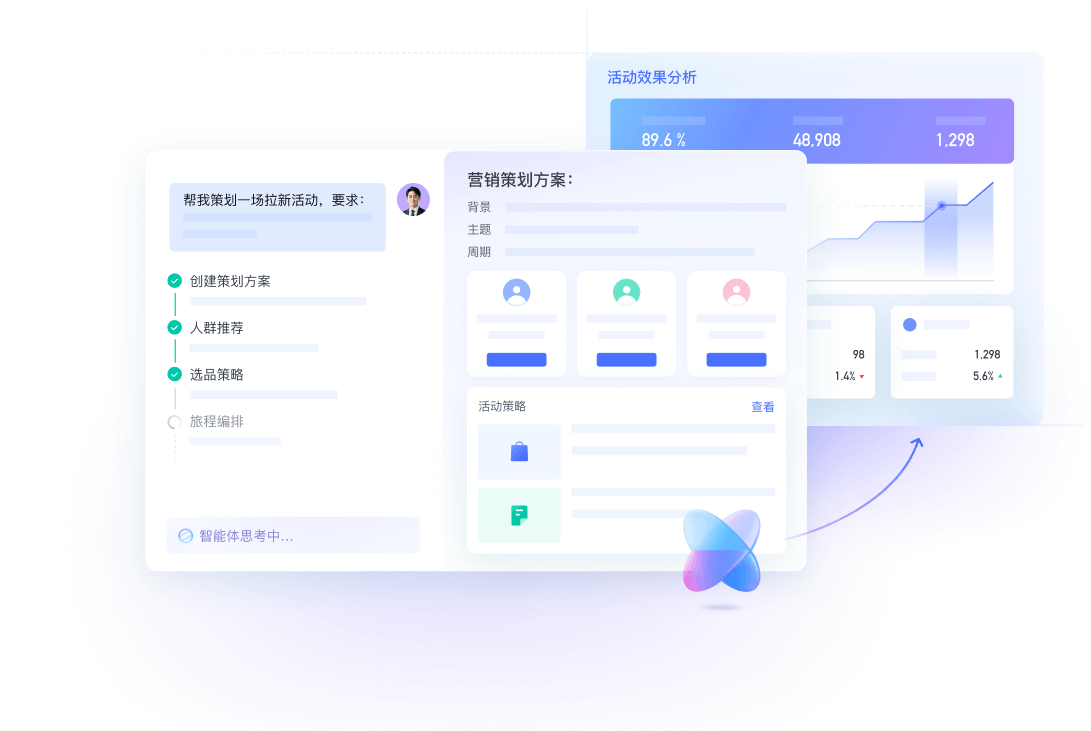
Unify Customer Data, Orchestrate Journeys, and Measure Results

Build a Unified Customer View
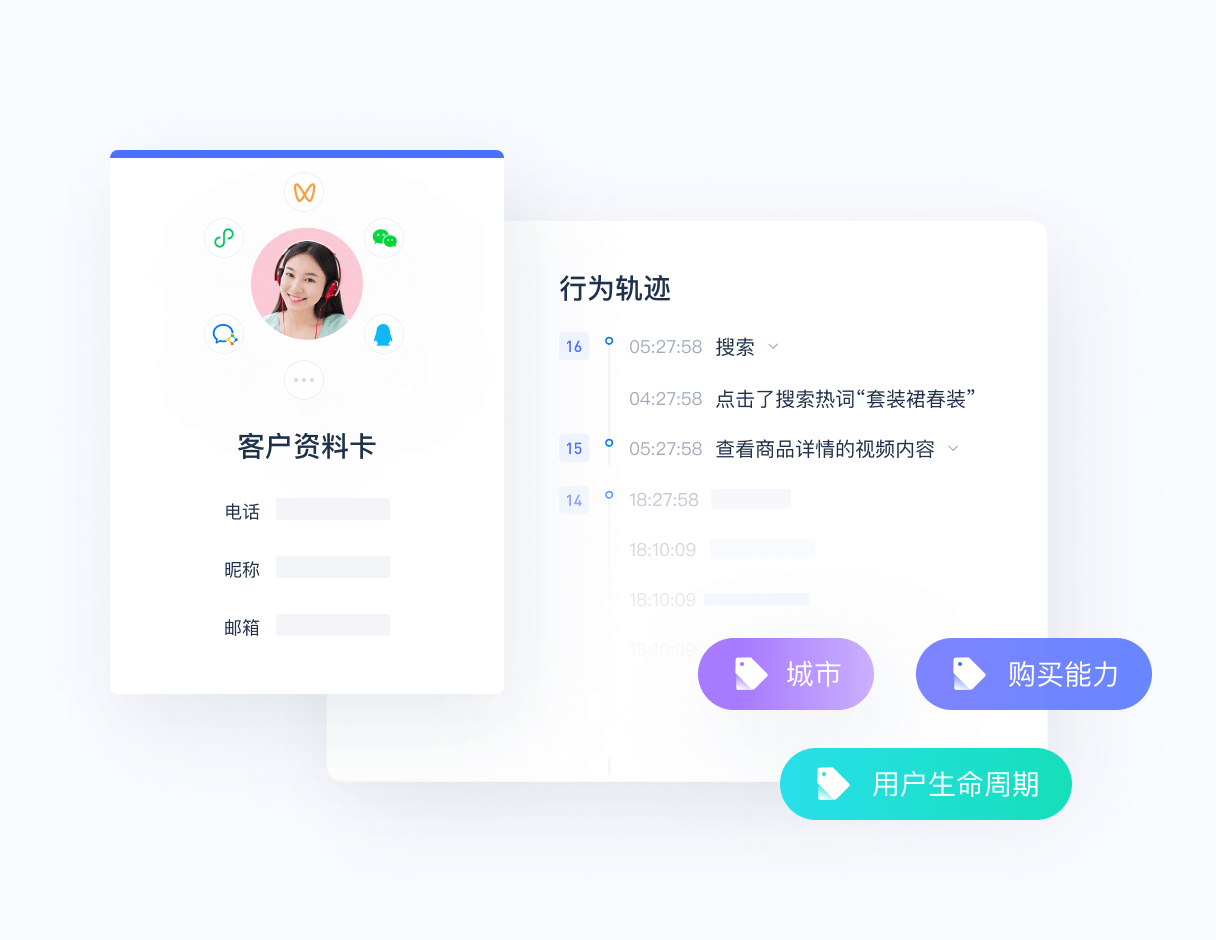
Bring together data from Mini Programs, stores, and business systems. Use OneID to connect records belonging to the same customer across channels.

Trigger Journeys Based on Behavior
Segment customers using signals such as signup, purchase, or inactivity, then automate welcome, repeat-purchase, and win-back journeys.

Measure Campaign Results
Use event, funnel, and retention analysis to see how customers progress from interaction to conversion.
Why Choose Tencent Marketing Cloud?
Connect WeChat Channels and Business Data
Bring WeChat Official Accounts, Mini Programs, and WeCom into the same workflows as membership, order, and in-store data.
Reuse Tags and Audiences
Maintain customer tags based on behavior and business attributes so teams can reuse them in journeys, reporting, and campaigns.
Manage Timing and Contact Frequency
Set journey branches and contact rules to reduce repeated messages from overlapping campaigns.
Support WeCom Sales and Communities
Use dynamic QR codes, welcome messages, and customer segments to plan how store associates acquire and follow up with customers.
Analyze Behavior and Transaction Data
Track key events, funnels, and retention to find where customers drop off.
Plan Campaigns with AI Assistance
Use Magic Agent to help select audiences, design journeys, and create content. Marketing teams review the rules before launch.
Core Modules and Features
Customer Stories from Tencent

Juewei Food | AI-Assisted Membership Marketing
Juewei Food and Tencent used audience segments, product recommendations, tailored incentives, and personalized content in membership campaigns and evaluated the approach using conversion data.
Read the Case Study
Laiyifen | Online and In-Store Membership
Laiyifen combined membership data across channels to identify customers, improve journeys, and track campaign performance.
View Tencent Customer Stories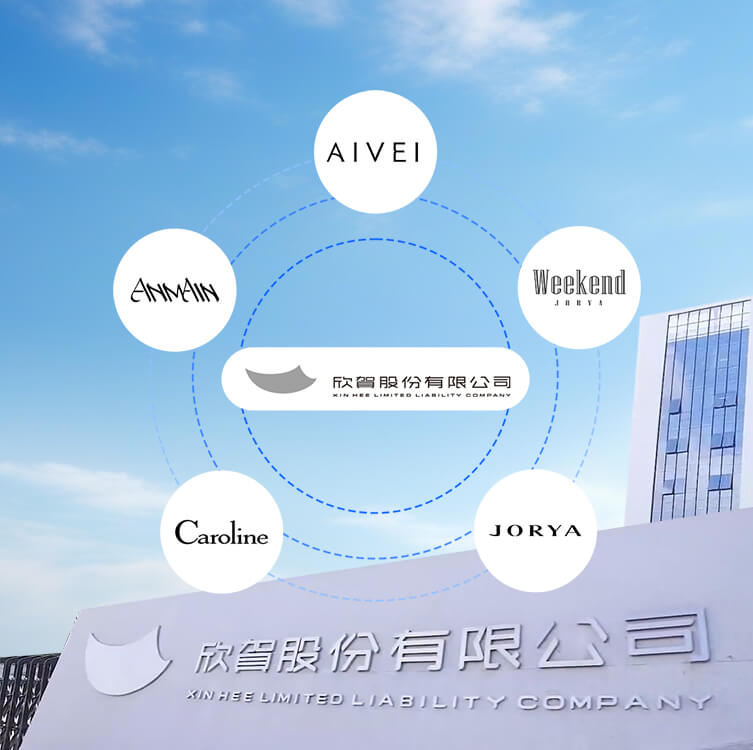
Xin He Group | Fashion Product Launches
Xin He Group used AI-assisted audience selection and coupon redemption data to manage new-product campaigns and track conversion and store associate activity.
View Tencent Customer StoriesFrequently Asked Questions
Plan Your Tencent Marketing Cloud Implementation with LeadsTech

Requirements and Pilot Planning
Review channels, existing systems, and business goals, then select a pilot use case.

Customer Data and Identity Rules
Map membership records, orders, and behavioral events, then define identity matching, tags, and data quality rules.
Journey Design
Design welcome, repeat-purchase, or win-back journeys and define their triggers and success metrics.

Channel and System Integration
Review interfaces, permissions, and synchronization for WeCom, Mini Programs, CRM, and store systems.

Testing and Measurement
Validate audiences, messages, conversions, and exception handling before expanding the rollout.

Training and Launch Support
Hand over operating procedures and monitoring metrics so teams can maintain and improve journeys.
Why Work with LeadsTech?
Evaluate Data and Marketing Workflows Together
Clarify data sources, journey goals, and team responsibilities before selecting a platform to avoid duplicating data models later.
Plan Integration Around Existing Systems
Set priorities based on your CRM, e-commerce, website, and store systems.
Roll Out by Use Case
Validate one journey against a set of metrics, then expand as data quality and operating capacity improve.
Hand Over Workflows Teams Can Maintain
Document how segments, messaging, and reports are configured to support a smooth handover to marketing and IT.
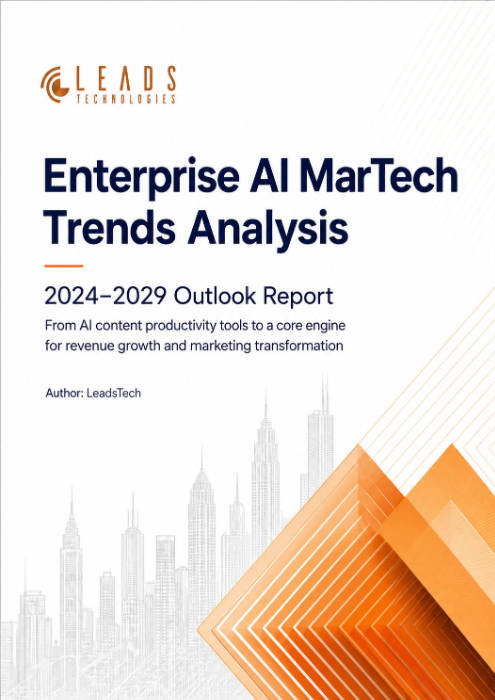
Enterprise AI MarTech Trends Analysis 2024-2029 Outlook Report
From AI content productivity tools to a core engine for revenue growth and marketing transformation
*The PDF will be sent directly to your inbox.