
A New-Generation Platform for Website & Digital Experience Analytics
Google Analytics(GA4)
Google Analytics 4 (GA4) is Google’s next-generation analytics platform designed for modern enterprises.
Unlike traditional pageview-based analytics, GA4 is built around users and events, reflecting how people truly interact with websites and digital services today.
GA4 goes beyond “traffic reporting” and helps businesses understand:
- Where users come from
- What they actually do on websites or apps
- Which interactions drive real conversions and business value
Core Value: Observe → Understand → Optimize

Observe | Capture behavior comprehensively
- Real-time tracking of website and app interactions
- Monitoring key events and conversions

Understand | Interpret user behavior
- Analyze journeys, funnels, and drop-off points
- Compare sources, content, and audience segments

Optimize | Continuously improve performance
- Optimize content, SEO, and conversion flows with data
- Support marketing and product decisions
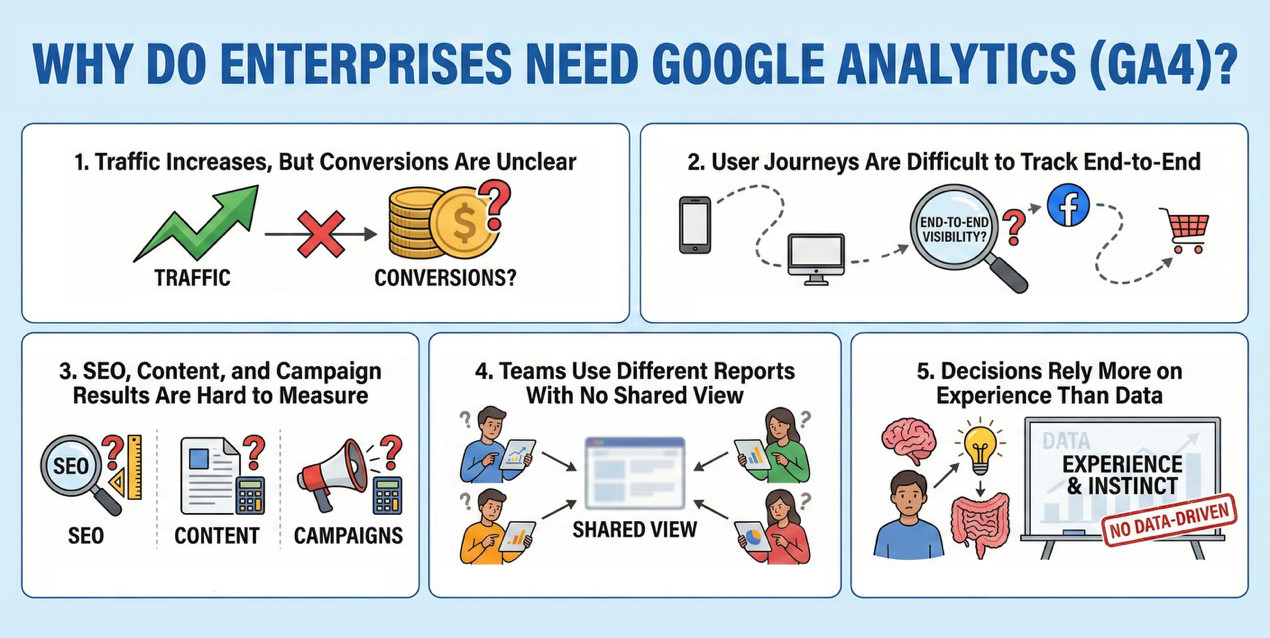
Why Do Enterprises Need Google Analytics (GA4)?
Traffic grows, but conversion performance is unclear
Rising traffic without clear insight into conversion rates and business outcomes makes ROI hard to evaluate.
Lack of a complete user journey view
Fragmented cross-device and cross-channel data prevents a full understanding of the customer journey.
SEO, content, and campaign performance are hard to quantify
Disconnected metrics make it difficult to evaluate and compare performance consistently.
Different teams rely on different reports
Marketing, product, and management teams lack a unified data language, slowing decision-making.
Decisions rely heavily on intuition
Without real-time, actionable insights, strategic decisions are often experience-driven rather than data-driven.
Key trends and anomalies are detected too late
Without real-time visualization, issues are often discovered only in hindsight.
Key Differences Between GA4 and Traditional Analytics
Event-based data model
All interactions—clicks, scrolls, video views, form submissions, purchases—are events, fully customizable to business goals.
User-centric, not session-centric
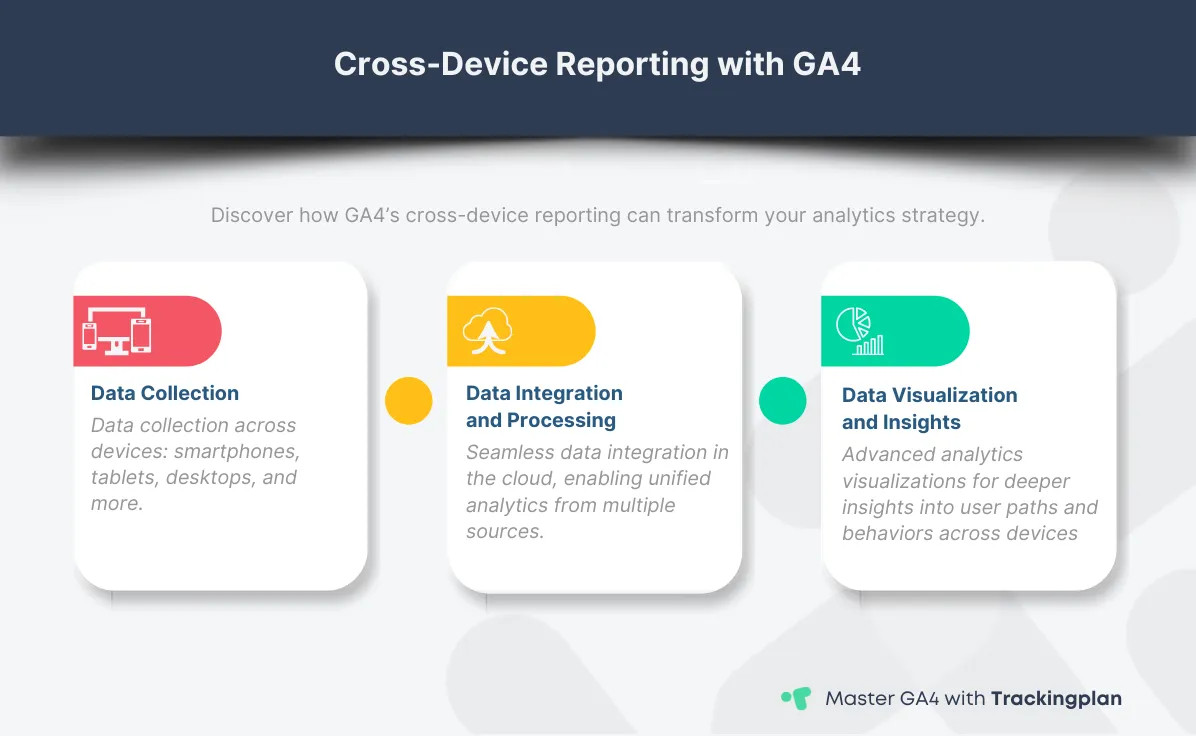
GA4 reconstructs complete cross-device, cross-channel journeys more accurately.
Built for privacy and a cookieless future
Consent Mode and behavioral modeling maintain analytical value under privacy constraints.
Built-in AI and predictive analytics
GA4 not only analyzes the past but predicts future behavior, such as conversion and churn probability.
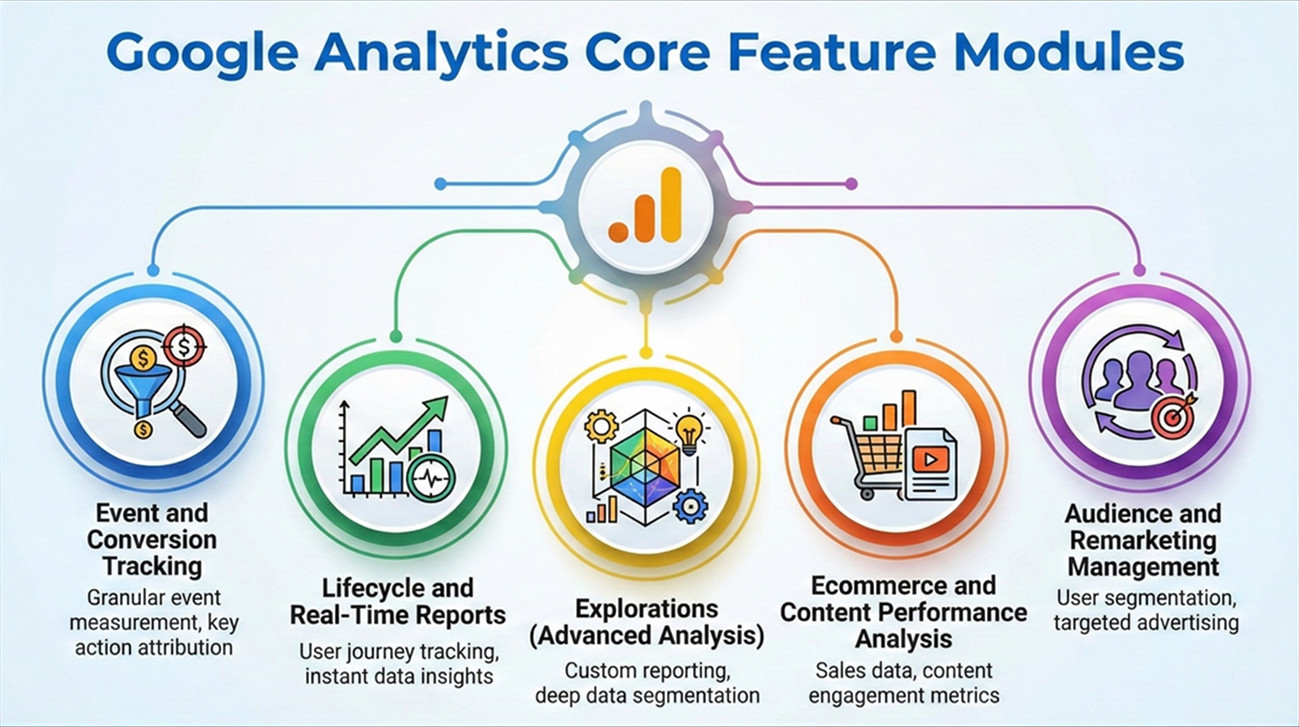
Core Features
2025–2026 GA4 Key Updates
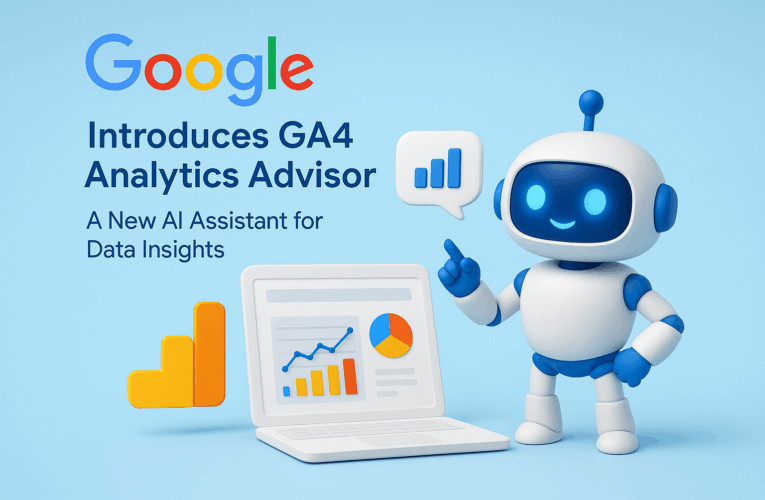
AI Analytics Advisor
GA4 has introduced an AI-powered analytics advisor that allows users to ask questions using natural language, such as:
- Why did the conversion rate drop this week?
- Which sources deliver the highest-value users?

Automated Insights & Anomaly Detection
GA4 proactively monitors data anomalies, such as:
- Sudden spikes or drops in traffic
- Unexpected changes in conversion rates
- Significant performance differences across specific sources
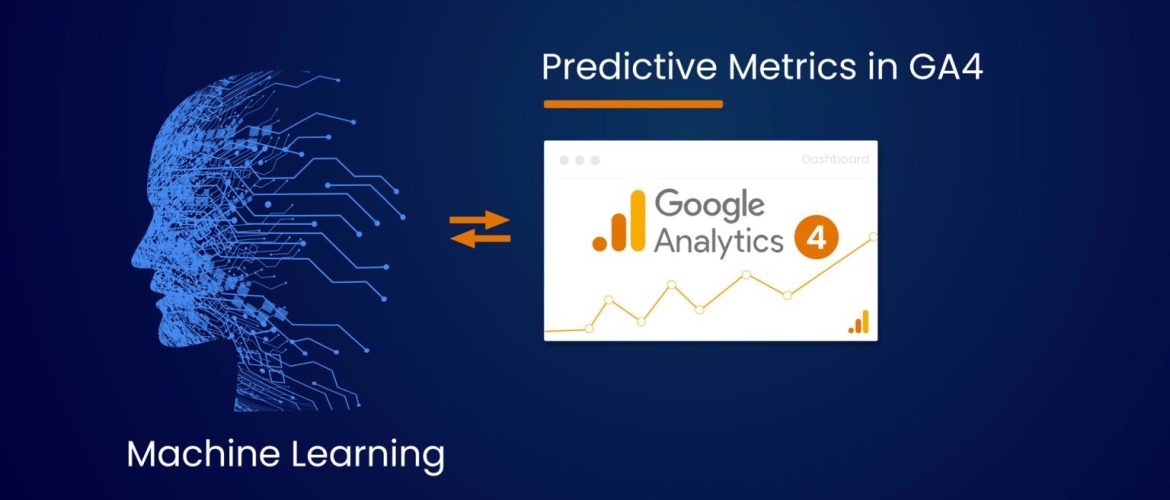
Predictive Analytics & Future Metrics
By 2025–2026, GA4’s predictive capabilities have matured and now support:
- Purchase probability prediction
- Churn risk assessment
- Forecasted revenue and potential value
Advertising & Cost Data Integration (Cross-platform ROI)
GA4 integrates cost data from both Google and non-Google advertising platforms, allowing enterprises to:
- Compare true ROI across platforms
- Evaluate cross-channel investment performance
- Move beyond impressions and clicks alone
Integration Value with CMS, SEO & GEO
CMS × GA4
Transforms content management into a data-driven content optimization platform.
SEO × GA4
Evaluates the quality of organic traffic, not just rankings or volume.
GEO × GA4
Measures user behavior from AI-driven and emerging search channels.
Typical Use Cases
Corporate Websites 01
Analyze content performance, CTAs, and form conversions to validate the effectiveness of website revamps and content strategies.

E-commerce Platforms 02
Track the entire purchase journey, identify key conversion and drop-off points, and optimize revenue and conversion rates.

B2B Enterprises 03
Evaluate lead sources and engagement quality to understand prospect interaction paths prior to conversion.
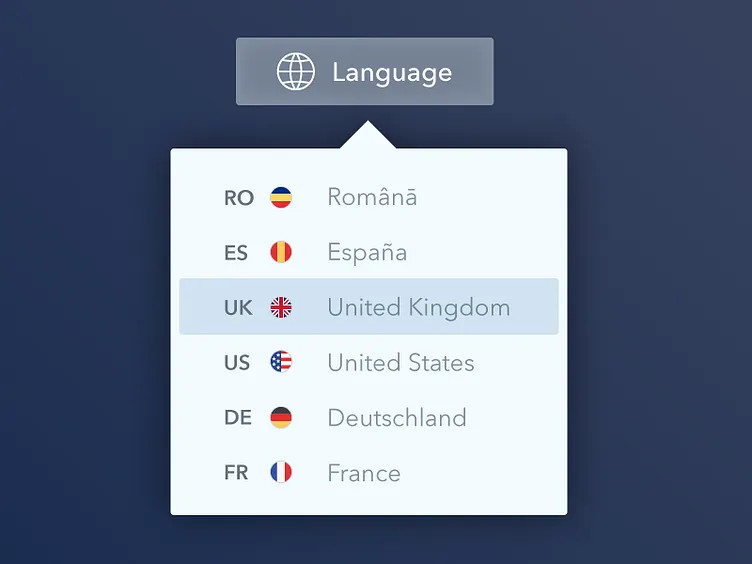
Multi-market / Multilingual Websites 04
Consistently compare traffic, engagement, and conversion performance across markets and languages to support regional operations.

Executive Decision Support 05
Leverage a unified data foundation to quickly assess overall digital performance and guide resource allocation and strategic decisions.
Frequently Asked Questions (FAQ)
Why Choose LeadsTech for Google Analytics Implementation?
KPI-driven GA4 Architecture Design
Events and conversions are designed around real business KPIs, ensuring insights—not just raw data—drive decisions.
Analytics Integrated with CMS & Digital Experience
We help enterprises measure content, interactions, and conversions so data directly supports content optimization and experience improvement.
Cross-department, Decision-ready Insights
Marketing, IT, and leadership teams operate on a shared data framework, improving alignment and decision efficiency.
Enterprise Implementation Experience & Ongoing Optimization
With proven experience across large-scale and complex websites, we provide end-to-end support—from initial setup to continuous optimization—ensuring scalability and long-term maintainability.
Success Case Studies
Tourism Promotion Official Website Development & Analytics
In the tourism promotion website project, LeadsTech implemented GA4 and redesigned the user interaction and conversion tracking framework. The solution enabled the client to clearly understand the performance of different content and campaigns, and to compare results across multiple markets and languages—making data a core driver of website operations and promotional decision-making.
Online Forms Design & Behavioral Analytics Integration
In another engagement, we deeply integrated GA4 with an online form workflow to accurately track form views, completions, and submissions. This helped the client identify critical drop-off points and continuously optimize both form experience and conversion efficiency.
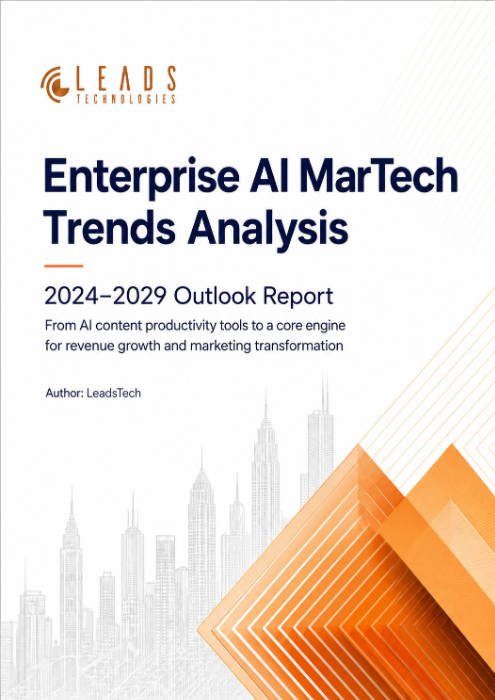
Enterprise AI MarTech Trends Analysis 2024-2029 Outlook Report
From AI content productivity tools to a core engine for revenue growth and marketing transformation
*The PDF will be sent directly to your inbox.