
2026 Lead Generation Platform Guide for B2B: Key Criteria & Comparison
Lead Generation, Pubrio Lead Generation Platform
3 April 2026
1. Why Features Alone No Longer Cut It When Choosing a Lead Gen Platform in 2026
For years, B2B companies evaluated lead generation platforms by comparing features: database size, email outreach capabilities, automation depth, and CRM integrations.
But as the market has matured, a frustrating reality has set in: feature gaps are shrinking fast, yet pipeline results haven’t kept pace.
The reason isn’t complicated — what’s actually holding teams back is no longer “can we do this?” but rather “are we even reaching the right markets and the right buyers?”
That’s why, heading into 2026, B2B companies are rethinking how they evaluate lead generation platforms from the ground up.
2. Key Trends Shaping B2B Lead Generation Platforms in 2026

AI-driven signals are reshaping how B2B teams identify and prioritize prospects
Looking at how B2B prospecting has evolved, three major shifts stand out:
From List Supply to Market Discovery
Companies are no longer satisfied with static databases. They want to proactively discover untapped customer segments before competitors do. The real edge comes from seeing markets others haven’t spotted yet.
From Static Data to Dynamic Signals
Hiring surges, funding rounds, tech stack changes, and market moves are all potential buying signals. Platforms that surface these signals in real time give sales teams the chance to engage at exactly the right moment.
From Single-Market Focus to Global + Local Coverage
Platforms built around the US or European markets can’t support the expansion ambitions of growth-stage companies. APAC and local market coverage has become a genuine competitive threshold.
3. Three Questions Every Business Must Answer Before Choosing a Platform
Before you start comparing platforms, get clear on these three questions. Your answers will directly shape which type of platform makes sense for your situation.
4. Core Evaluation Criteria for Choosing a Lead Generation Platform
Rather than comparing platform names, it’s more valuable to build a clear set of evaluation criteria. In 2026, these factors matter most:
Diverse, Continuously Updated Data Sources
Platforms that rely on a single data source have an inherently limited view of the market. Look for platforms that pull from multiple channels and refresh data continuously — not just static snapshots.
Coverage of Underserved Market Segments
Mainstream platforms tend to cluster around the same crowded markets. The real differentiation comes from covering niche verticals and local markets that competitors haven’t fully penetrated.
Dynamic Signals and Behavioral Intelligence
Hiring activity, funding announcements, and technology adoption shifts are all behavioral signals that can tell your sales team when to reach out. This capability has become a key differentiator for high-performing teams.
Precise Company and Decision-Maker Targeting
Can you accurately filter by company size, industry, and geography — and then find the right decision-maker contact? This directly determines how well your outreach converts.
Adoption-Friendly for Sales Teams
Even the most powerful platform falls flat if the interface is clunky and the learning curve is steep. Ease of use and workflow integration are just as important as raw feature sets.
5. Types of Lead Generation Platforms and When to Use Each
The lead generation platform market broadly breaks down into three categories. For companies looking to reduce long-term prospecting costs and competition, platform positioning is the key variable.
Database-First Platforms
Quick access to large contact lists — good for short-term needs, but market overlap is high.
- ✔ Fast to get started, large contact volume
- ✔ Works well for short-term campaigns
- ✘ Competitors use the same database
- ✘ High market overlap, hard to differentiate
Workflow / Automation Platforms
Strong at managing sequences and workflows, but limited in expanding your addressable market.
- ✔ Powerful outreach automation
- ✔ Great for high-volume email campaigns
- ✘ Data sourcing depends on third parties
- ✘ Limited market expansion capability
Market-Oriented Platforms
Built to help you discover new markets and new buyers — best suited for growth-stage companies.
- ✔ Covers APAC and local markets
- ✔ Dynamic signals and AI-powered filtering
- ✔ Supports long-term market expansion
- ✔ Reduces prospecting competition and cost
6. Platform Comparison: A Side-by-Side Look at Leading Solutions
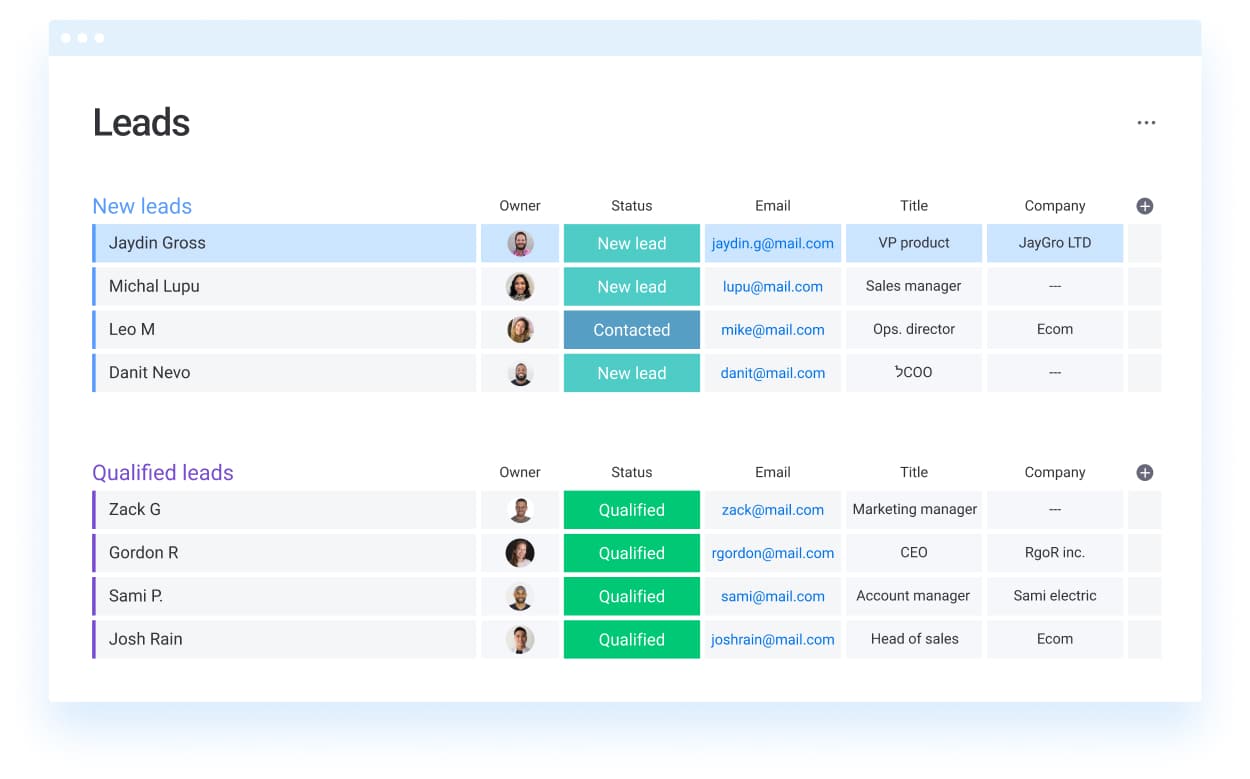
Modern lead generation platforms provide structured lead management and qualification workflows
With a clear evaluation framework in place, here’s a comparison of commonly used lead generation platforms across four dimensions: pricing, outreach channels, data characteristics, and APAC support.
Note: The information below is based on publicly available data and common market scenarios. Actual pricing and features may vary by contract and are provided for reference only.
| Platform | HQ | Pricing (Approximate) | Primary Channels | Data Characteristics | APAC / Local Market Support |
|---|---|---|---|---|---|
| Apollo.io | USA | ~USD $49–119+ / user / month (free plan available) | Email, Sales Outreach | Large B2B contact and company database (primarily LinkedIn and public business data) | Limited, varies by plan and data source |
| 6sense | USA | Custom enterprise pricing (higher-end) | Email, Ads, ABM | Intent data + AI predictive analytics (not a pure contact database) | Depends on contract and market configuration |
| Cognism | UK | Custom subscription (sales-led) | Email, Phone data | Global B2B contact and company data with strong GDPR compliance | Varies by plan; strongest in European markets |
| ZoomInfo | USA | Custom subscription (annual, higher-end) | Email, Intent, CRM integration | Large enterprise-grade company and contact database | Primarily US-focused; other regions vary by plan |
| Pubrio | Hong Kong | ~USD $35+ / user / month | Email, LinkedIn, SMS | Worldwide data (including KR, TW, JP, and other local markets) | ✔ Deep APAC and multilingual market support |
7. The Real Differentiators: Data, AI, and Market Coverage
The comparison reveals three structural differences that will directly shape your long-term prospecting results:
Data Sources Define Your Market Visibility
When a platform is heavily dependent on a single data source, your view of the market is limited by design. The real advantage comes from covering market segments your competitors haven’t entered yet.
AI’s Value Is in Surfacing Signals, Not Just Automating
AI is most valuable when it helps you see buying signals you’d otherwise miss — not just when it automates tasks. Without broad, deep data to work with, AI simply amplifies existing blind spots rather than creating new opportunities.
APAC and Local Markets Are Now a True Differentiator
Multilingual support, localized data, and cross-market integration directly determine your growth ceiling. This is no longer a “nice to have” — it’s the baseline for competing in APAC markets.
8. Conclusion: How to Choose the Right Platform for Long-Term Growth
In 2026, a lead generation platform is no longer just a sales support tool — it’s a foundational asset for understanding your market and building sustainable growth.
The right platform should help your team:
- Identify more potential customers
- Spot opportunities earlier
- Reach buyers before competitors do
If you’re evaluating which lead generation platform fits your business today and where you’re headed tomorrow, start from market coverage and data quality — not just features and price.
Every B2B company has a different market, product, and growth stage, so there’s no single right answer. If you’d like to talk through your target markets, prospecting strategy, and platform fit, our advisory team is here to help you find the right direction.
Related Articles
Enterprise AI MarTech Trends Analysis 2024-2029 Outlook Report
From AI content productivity tools to a core engine for revenue growth and marketing transformation
*The PDF will be sent directly to your inbox.