
Adobe Analytics & CDP Integration: Building a Unified Customer View
Adobe Analytics, Adobe Real-time CDP, CDP
18 April 2026
- Why “So Much Data” Yet No Complete Customer View
- The Distinct Roles of Analytics and CDP
- Why Deep Integration Is Non-Negotiable
- Core Components of a Panoramic Customer View
- Adobe Analytics & Real-Time CDP Integration Architecture
- Data Flow Design: From Behavior Capture to Unified Identity
- Real-Time Segmentation & Personalization Use Cases
- Key Challenges and Best Practices for Integration
- Which Enterprises Are Best Suited for Analytics + CDP
- Conclusion: The Panoramic Customer View as Growth Infrastructure
- Why “So Much Data” Yet No Complete Customer View
- The Distinct Roles of Analytics and CDP
- Why Deep Integration Is Non-Negotiable
- Core Components of a Panoramic Customer View
- Adobe Analytics & Real-Time CDP Integration Architecture
- Data Flow Design: From Behavior Capture to Unified Identity
- Real-Time Segmentation & Personalization Use Cases
- Key Challenges and Best Practices for Integration
- Which Enterprises Are Best Suited for Analytics + CDP
- Conclusion: The Panoramic Customer View as Growth Infrastructure
1. Why “So Much Data” Yet No Complete Customer View
In most enterprises, data is far from scarce.
Websites generate traffic data. E-commerce platforms produce transaction data. CRMs hold customer records. Ad networks supply campaign data.
The problem:
- Data lives in siloed systems
- User identities cannot be unified
- Behaviors and attributes resist connection
- Data cannot feed back into marketing actions in real time
The result:
- Marketing sees “traffic”
- Sales sees “leads”
- E-commerce sees “orders”
But no one sees the “complete customer.”
This is precisely the core value of integrating Analytics with CDP.
2. The Distinct Roles of Analytics and CDP
Across many enterprises, Analytics and CDP are often conflated.
The Core Role of Adobe Analytics
- Collect and analyze user behavior data
- Deliver multi-dimensional reports and deep insights
- Illuminate trends, customer journeys, and conversion patterns
It answers:
- What happened?
- Why did it happen?
The Core Role of CDP (Customer Data Platform)
- Unify user data from disparate sources
- Build a durable user identity system
- Enable real-time segmentation and activation
It answers:
- Who is this user?
- What can we do with them right now?
Analytics is the insights engine. CDP is the data foundation.
3. Why Deep Integration Is Non-Negotiable
Limitations of Running Them Separately
- Analysis results cannot feed into marketing in real time
- User segments cannot be built on deep behavioral data
- Data governance becomes duplicated and inefficient
What Deep Integration Unlocks
- Behavioral data enters CDP in real time
- User profiles update dynamically
- Segmentation results drive personalization and automation
This transforms data from “reports” into “actionable capabilities.”
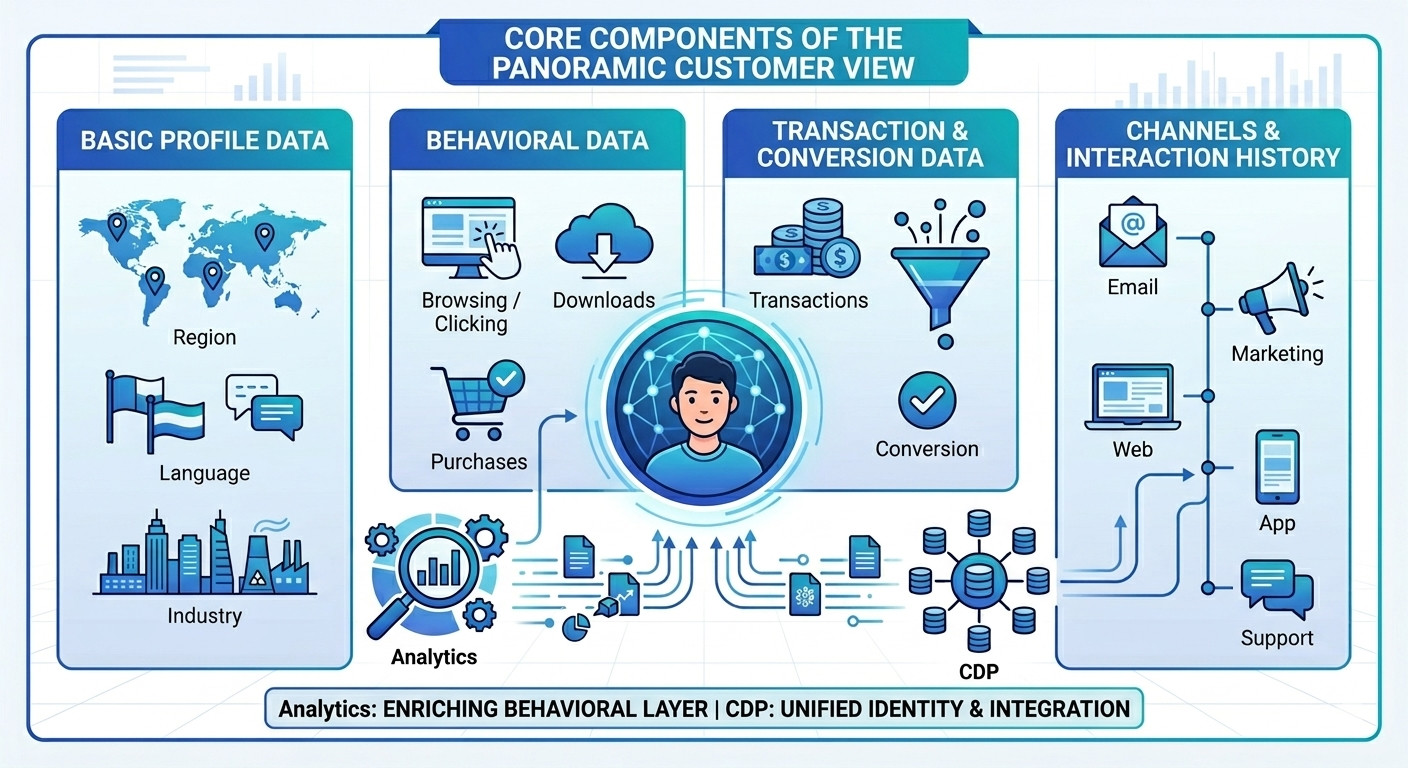
4. Core Components of a Panoramic Customer View
A true panoramic customer view must encompass:
- Basic attributes (region, language, industry, etc.)
- Behavioral data (browsing, clicks, downloads, purchases)
- Transaction and conversion data
- Channel attribution and interaction history
- Real-time status and interest signals
The Analytics–CDP Division of Labor
Analytics enriches the behavioral layer. CDP unifies identity and consolidates data.
5. Adobe Analytics & Real-Time CDP Integration Architecture
Within the Adobe ecosystem, a typical architecture includes:
- Web/App data collected via Adobe Experience Platform SDK
- Behavioral data flows into Adobe Analytics
- Synchronized or real-time stream into Real-Time CDP
- Unified identity and segmentation rules built within CDP
- Segment results pushed to marketing automation or personalization systems
This architecture delivers:
- Unified data models
- High real-time fidelity
- No complex third-party integrations required
6. Data Flow Design: From Behavior Capture to Unified Identity
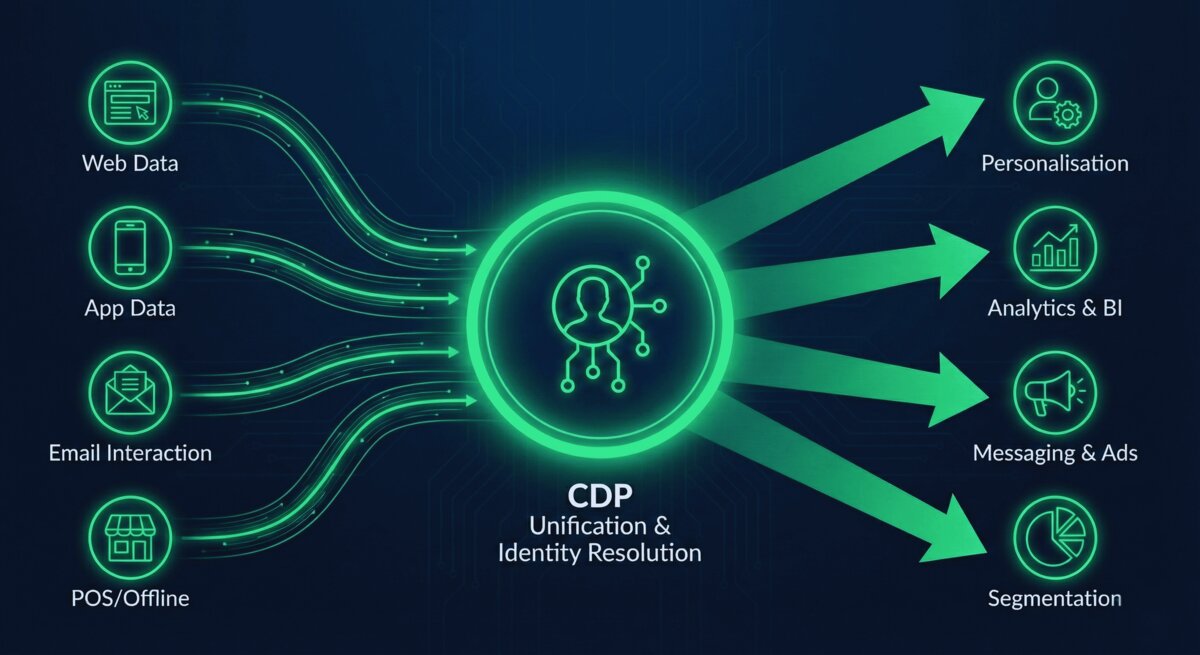
The key to successful integration lies in data flow design. These three steps build a closed loop from behavioral capture to unified identity.

Step 1: Unified Data Standards
Establishing unified data standards is the foundation of integration:
- Event naming conventions
- Standardized attribute fields
- Consistent cross-system data definitions
Without consistent data standards, downstream consolidation becomes impossible to scale.
Step 2: Identity Resolution & Merging
Gradually transition from anonymous visitors to identifiable users through multiple identifiers:
- Cookies / Device IDs
- Login credentials
- Form submissions

Step 3: Real-Time Sync & Segmentation
When a behavior occurs, trigger real-time data updates:
- User profiles update in real time
- Audience segments take effect instantly
- Marketing actions fire automatically
This is what true "intelligent marketing" looks like.
7. Real-Time Segmentation & Personalization Use Cases
After deep Analytics + CDP integration, enterprises can power multiple high-value scenarios. Here are three that demonstrate data-driven precision marketing.
Use Case 1: Content-Driven Conversion Optimization
Identify users who engage heavily with specific product content
- Automatically push relevant case studies or offers
- Dynamically adjust website content display
Use Case 2: Cross-Channel Remarketing
Add high-intent website visitors to remarketing audiences
- Sync with ad platforms in real time
- Avoid low-quality redundant placements
Use Case 3: Sales Enablement
When users hit specific behavioral thresholds
- Automatically notify sales
- Provide full behavioral journey for informed outreach
8. Key Challenges and Best Practices for Integration
Common Challenges
- Data silos resist breaking down
- Identity resolution is inherently complex
- Insufficient cross-team coordination
- Projects become overly technology-driven
Best Practice Recommendations
- Start from high-value use cases, not wholesale coverage
- Establish unified data governance standards
- Clarify data ownership and access controls
- Design closed-loop processes around marketing automation
Integration is not an IT project — it’s a business capability build.
9. Which Enterprises Are Best Suited for Analytics + CDP
These types of enterprises benefit most from this architecture:
- Multi-country, multi-brand operations
- Running both corporate website and e-commerce
- Significant traffic volumes
- Requiring personalization and precision marketing
For these organizations, data capability directly determines growth efficiency.

10. Conclusion: The Panoramic Customer View as Growth Infrastructure
In today’s competitive landscape, the key question for enterprises is no longer:
- Do we have data?
It’s:
- Can we understand our customers as one?
- Can we respond to behavior in real time?
- Can we use data to drive action?
Deep integration of Adobe Analytics and CDP is the foundational capability that makes all three possible.
Closing: From “Data Analysis” to “Data-Driven Decisions & Action”
If you find that:
- Reports are rich but hard to act on
- User profiles are scattered across systems
- Personalization and automation underdeliver
Then now is the time to redesign your Analytics and CDP architecture.
Contact us to design an Analytics + CDP integration roadmap tailored to your business stage — and build a real panoramic customer view.
Contact Us: Speak with our consultants about your data integration strategy
Product Page: Explore Adobe Analytics & Real-Time CDP Solutions
Related Articles
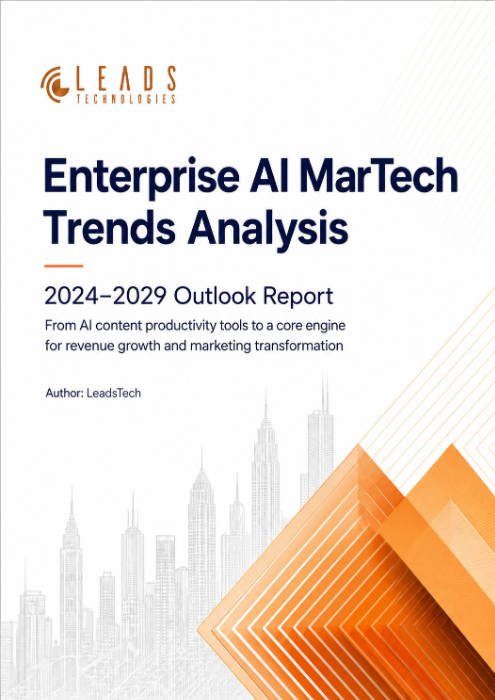
Enterprise AI MarTech Trends Analysis 2024-2029 Outlook Report
From AI content productivity tools to a core engine for revenue growth and marketing transformation
*The PDF will be sent directly to your inbox.
Email Error
Please enter a valid email address.
Thank You!
The whitepaper has been sent to your inbox. If you don’t see it, please check your spam or promotions folder.