
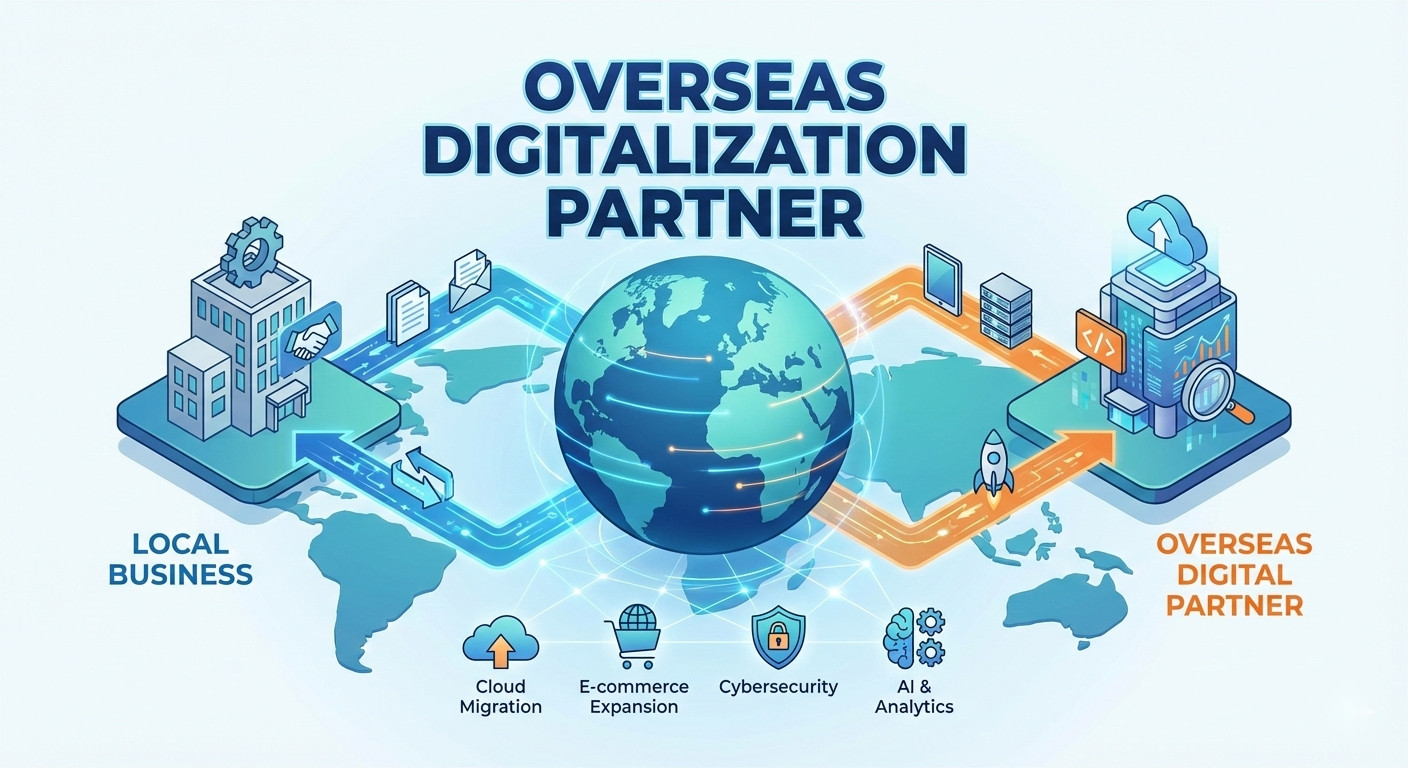
A Complete Guide to Choosing a Digital Partner for Global Expansion
AEM Sites, CDP, Marketing Automation
24 March 2026
- Why Choosing the Wrong Partner Is the Biggest Hidden Risk in Global Expansion
- The Fundamental Difference Between Digital Partners and Traditional Web Agencies
- Capability 1: Does the Website & CMS Have a Global Foundation
- Capability 2: Understanding the Long-Term Value of Content, SEO & GEO
- Capability 3: CDP & Data Integration Capabilities
- Capability 4: Can They Truly Deliver Marketing Automation for Global Expansion
- Capability 5: Overall Architecture & Long-Term Partnership Ability
- Choosing a Partner Based on Your Growth Stage
- Conclusion: Choosing a Partner Means Choosing Your Ceiling for the Next 3-5 Years
- Further Reading & Reference Links
- Why Choosing the Wrong Partner Is the Biggest Hidden Risk in Global Expansion
- The Fundamental Difference Between Digital Partners and Traditional Web Agencies
- Capability 1: Does the Website & CMS Have a Global Foundation
- Capability 2: Understanding the Long-Term Value of Content, SEO & GEO
- Capability 3: CDP & Data Integration Capabilities
- Capability 4: Can They Truly Deliver Marketing Automation for Global Expansion
- Capability 5: Overall Architecture & Long-Term Partnership Ability
- Choosing a Partner Based on Your Growth Stage
- Conclusion: Choosing a Partner Means Choosing Your Ceiling for the Next 3-5 Years
- Further Reading & Reference Links
Why Choosing the Wrong Partner Is the Biggest Hidden Risk in Global Expansion
During the process of global expansion, many problems do not surface immediately — they erupt after 1-2 years: websites become harder to maintain, multilingual content efficiency drops, SEO investments yield limited returns, data remains siloed, and marketing automation tools are purchased but never fully utilized…
The root cause is usually not the tools themselves, but the limited capabilities of the digital partner you initially chose. If your partner can only “build a website” but cannot support ongoing content, data, and marketing systems, you will eventually have to start over.
Capability 1: Global Website & CMS Foundation
Multi-site, multilingual architecture design; enterprise CMS (AEM, Magnolia) application scenarios; upgrade paths from lightweight to enterprise CMS

Capability 2: Content, SEO & GEO Long-Term Value
Content modeling, semantic clarity, brand voice consistency; systematic multilingual SEO & hreflang design; GEO content strategy for the generative AI search era

Capability 3: CDP & Data Integration
Data collection & user identification strategy planning; integration of website, e-commerce, CRM and other systems; building the data foundation for personalization & automation
The Fundamental Difference Between Digital Partners and Traditional Web Agencies
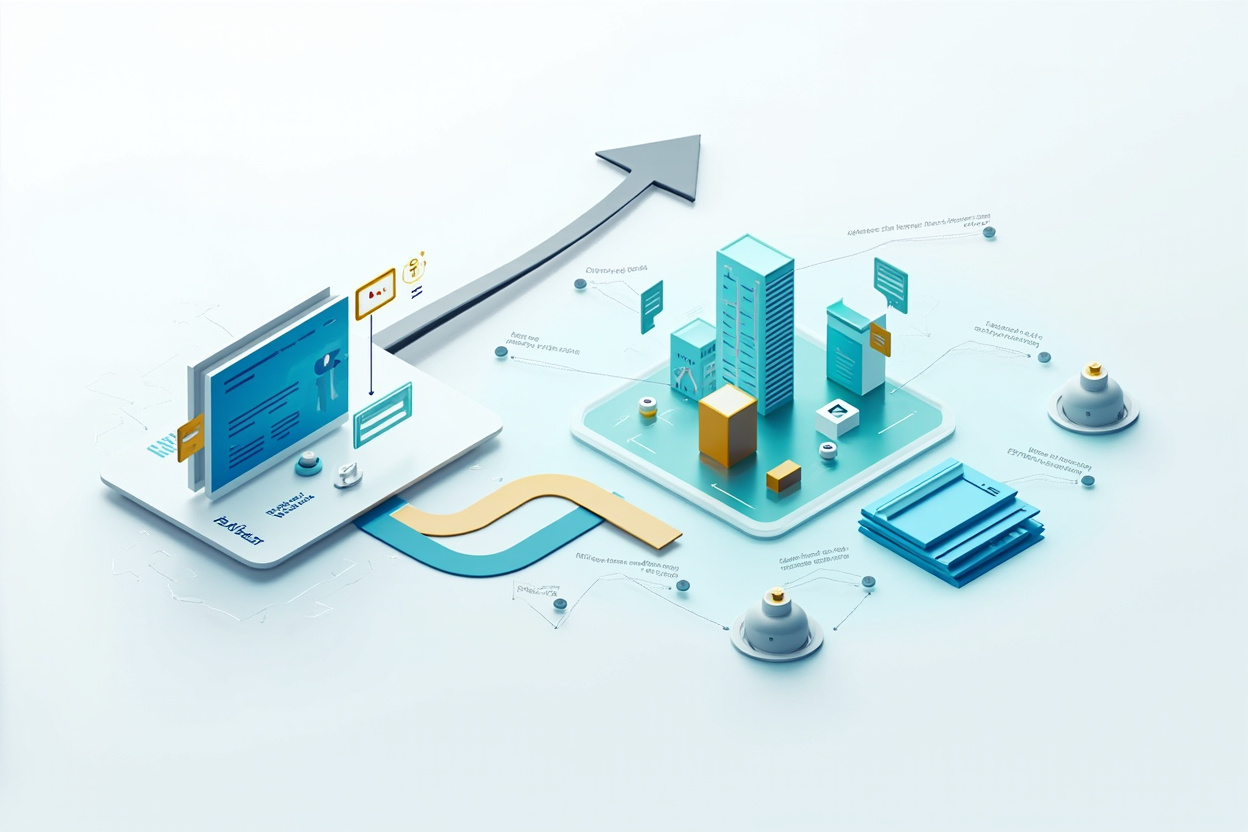
Traditional web agencies typically focus on:
- Page design
- Frontend development
- Project delivery
A true digital partner for global expansion focuses on:
- The website’s role in your overall global strategy
- How content, data, and marketing form a closed loop
- Whether the technical architecture supports 3-5 years of future growth
Traditional Web Agency
Delivers a "project"
- Focus on page design and frontend development
- Engagement ends when the project ends
- Tool-oriented, neglecting long-term operations
True Digital Partner
Delivers a "capability system"
- Focuses on the website's role in global strategy
- Ensures content, data, and marketing form a closed loop
- Architectural foundation supports 3-5 years of growth
Capability 1: Does the Website & CMS Have a Global Foundation
The website remains the starting point of global digitization.
The first question to ask your partner is not “is the design good-looking,” but:
- Do they understand the complexity of multilingual, multi-country websites
- Does the CMS support structured content and scalable management
- Do they have experience with enterprise permissions, workflows, and governance
Partners with genuine global experience are typically familiar with:
- Multi-site and multilingual architecture design
- Enterprise CMS (AEM, Magnolia) application scenarios
- Paths to upgrade from lightweight CMS to enterprise-level platforms
If a partner only recommends a single website-building tool without explaining future scalability, their capabilities are likely limited.
Capability 2: Understanding the Long-Term Value of Content, SEO & GEO
Most overseas websites share a common content problem: “There’s a lot of content, but it hasn’t become a long-term asset.”
A qualified digital partner should understand:
- SEO is not just keywords — it’s content structure and information architecture
- Multilingual SEO & hreflang require systematic design
- In the era of generative AI search, whether content can be correctly understood and cited by AI (GEO)
This requires the partner to not only understand technology but also:
- Content modeling
- Semantic clarity
- Consistency of brand voice
Without these, your website will struggle to become a long-term customer acquisition and brand asset.
Capability 3: CDP & Data Integration Capabilities

Once your website generates steady traffic, the next challenge is always “data problems.”
Common symptoms include:
- User data scattered across multiple systems
- Inability to identify cross-channel users
- Difficulty aligning marketing and sales data
This is exactly when CDP (Customer Data Platform) delivers value.
A true digital partner for global expansion should help your business:
- Plan data collection and user identification strategies
- Integrate data from websites, e-commerce, CRM, and other systems
- Build the foundation for subsequent personalization and automation
If a partner only “connects systems” for CDP without explaining how data will be used, the value will be difficult to realize.
Capability 4: Can They Truly Deliver Marketing Automation for Global Expansion
Marketing automation is the “ideal capability” for many global expansion efforts — and also the most failure-prone.
Common reasons for failure:
- Incomplete data foundation
- Scenario design disconnected from actual business needs
- No one to continuously operate the tool after launch
When evaluating partners, focus on:
- Can they design automation scenarios based on real customer journeys
- Can they combine website content, behavioral data, and automation workflows
- Do they have experience going from “technical launch” to “operational execution”
Truly mature partners emphasize process and organizational alignment — not just the tool itself.
Capability 5: Overall Architecture & Long-Term Partnership Ability
Global digitization is not a one-time project — it is a continuous evolution.
Excellent partners typically have these characteristics:
- Can plan websites, data, and marketing from an overall architectural perspective
- Can progressively introduce more advanced capabilities as your business grows
- Can maintain consistency across tools, content, and processes
Such partners are more like your “external digital team” rather than a single vendor.
Choosing a Partner Based on Your Growth Stage
At different growth stages, the requirements for a digital partner also vary:
Stage 1: Initial Global Expansion
Focus: Fast launch, market validation
- Basic website + SEO capability
- Multilingual content governance
Stage 2: Multi-Market Expansion
Focus: Multilingual, multi-country content governance
- CMS architecture & content capabilities
- hreflang & international SEO
Stage 3: Scaling & Precision Growth
Focus: Data integration, personalization, automation
- CDP + Marketing Automation full-chain capability
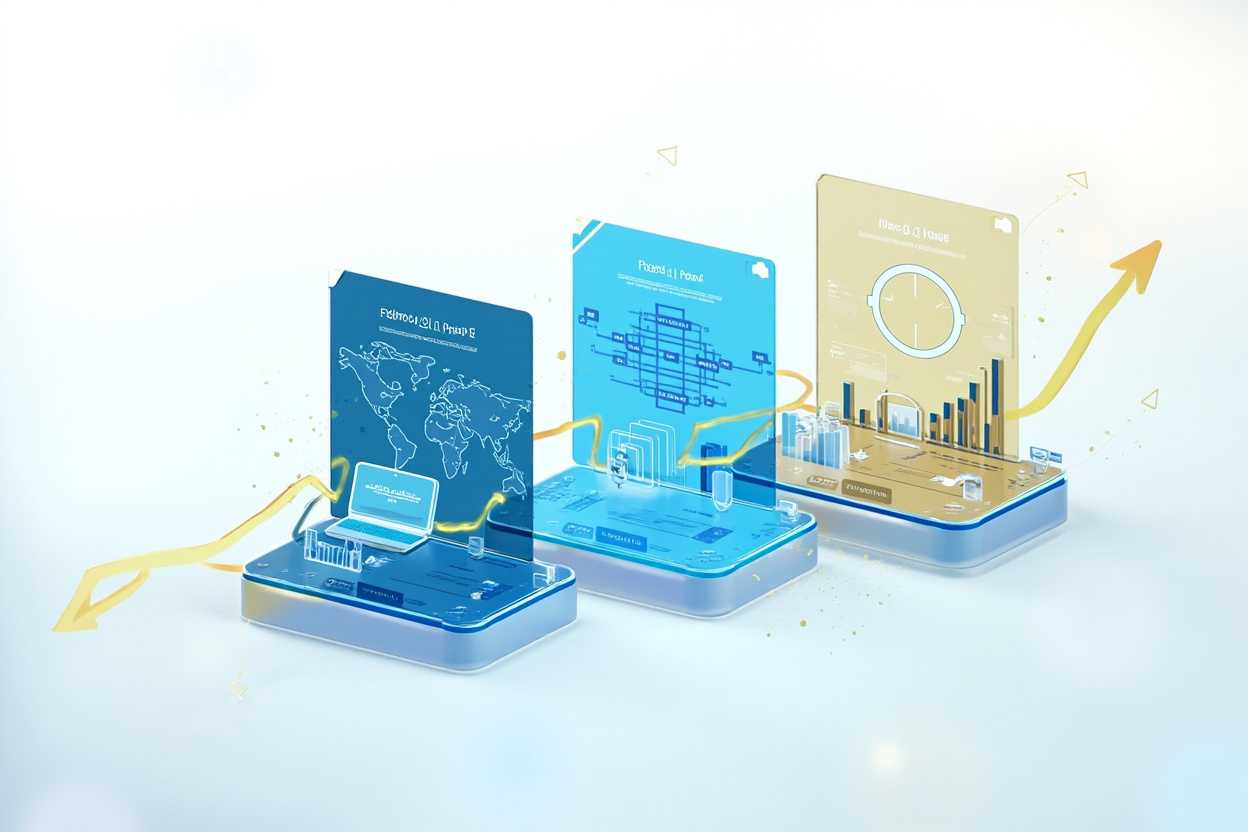
Conclusion: Choosing a Partner Means Choosing Your Ceiling for the Next 3-5 Years
The challenge of global digitization has never been the tools themselves, but:
- Whether you can connect websites, content, data, and marketing into a unified system
- Whether you can support continuous expansion instead of frequent re-architecting
Therefore, choosing a digital partner essentially means choosing:
Your growth ceiling and cost of trial-and-error for the next 3-5 years.
Closing: From “Project Delivery” to “Long-Term Capability Building”
If you are wondering:
- Whether the website is only the first step in global expansion
- Whether you need to evolve from CMS to CDP and marketing automation
- How to avoid rebuilding your digital architecture every two years
Now is the perfect time to systematically evaluate your digital partner’s capabilities.
Let us help you plan your global digitization blueprint — starting from corporate website development for Chinese enterprises going global, and gradually expanding to cover CMS, data, and marketing automation for global expansion.
Further exploration: The following articles provide practical context on customer data, marketing automation, and digital architecture.
Further Reading & Reference Links
- B2B Export Intent Data: Website Signals to Sales Follow-Up
- WeChat Official Account vs Mini Program: Business Guide
- CDP Recommendations: How Hong Kong Enterprises Can Choose the Right Customer Data Platform
Reference Links
- Adobe Experience Manager Sites: official product page
- Adobe Real-Time CDP: official product page
- Adobe Marketo Engage: official product page
Related Articles
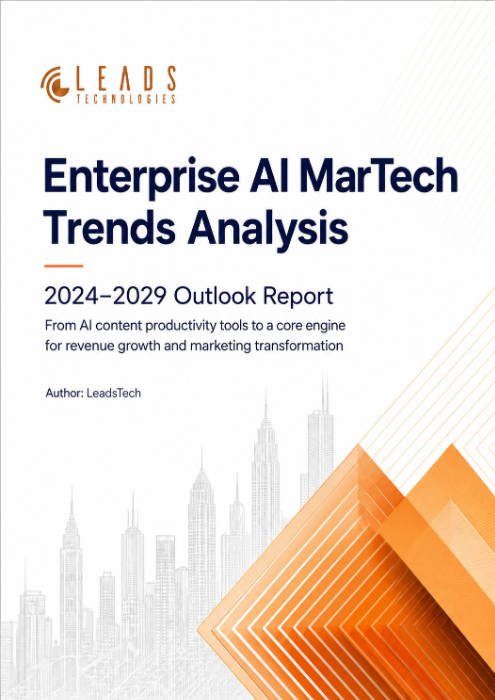
Enterprise AI MarTech Trends Analysis 2024-2029 Outlook Report
From AI content productivity tools to a core engine for revenue growth and marketing transformation
*The PDF will be sent directly to your inbox.
Email Error
Please enter a valid email address.
Thank You!
The whitepaper has been sent to your inbox. If you don’t see it, please check your spam or promotions folder.