

When redesigning a website or building a digital product, enterprises often know that the current experience is difficult to use, yet struggle to pinpoint whether the problem lies in navigation, content, workflows, interfaces, technical constraints, or internal requirements. UX/UI consultants turn these vague concerns into concrete solutions that can be researched, designed, validated, and implemented.
Summary
UX/UI consultants do more than create interfaces. They help enterprises build complete experiences by connecting business goals, user needs, research, information architecture, user flows, wireframes, prototypes, design systems, and developer handoff. For major redesigns, multimarket websites, portals, member journeys, or complex B2B products, consultants reduce subjective decision-making and rework while aligning design with SEO, analytics, CMS, and development.
1. How Does UX/UI Consulting Differ from Design Execution?
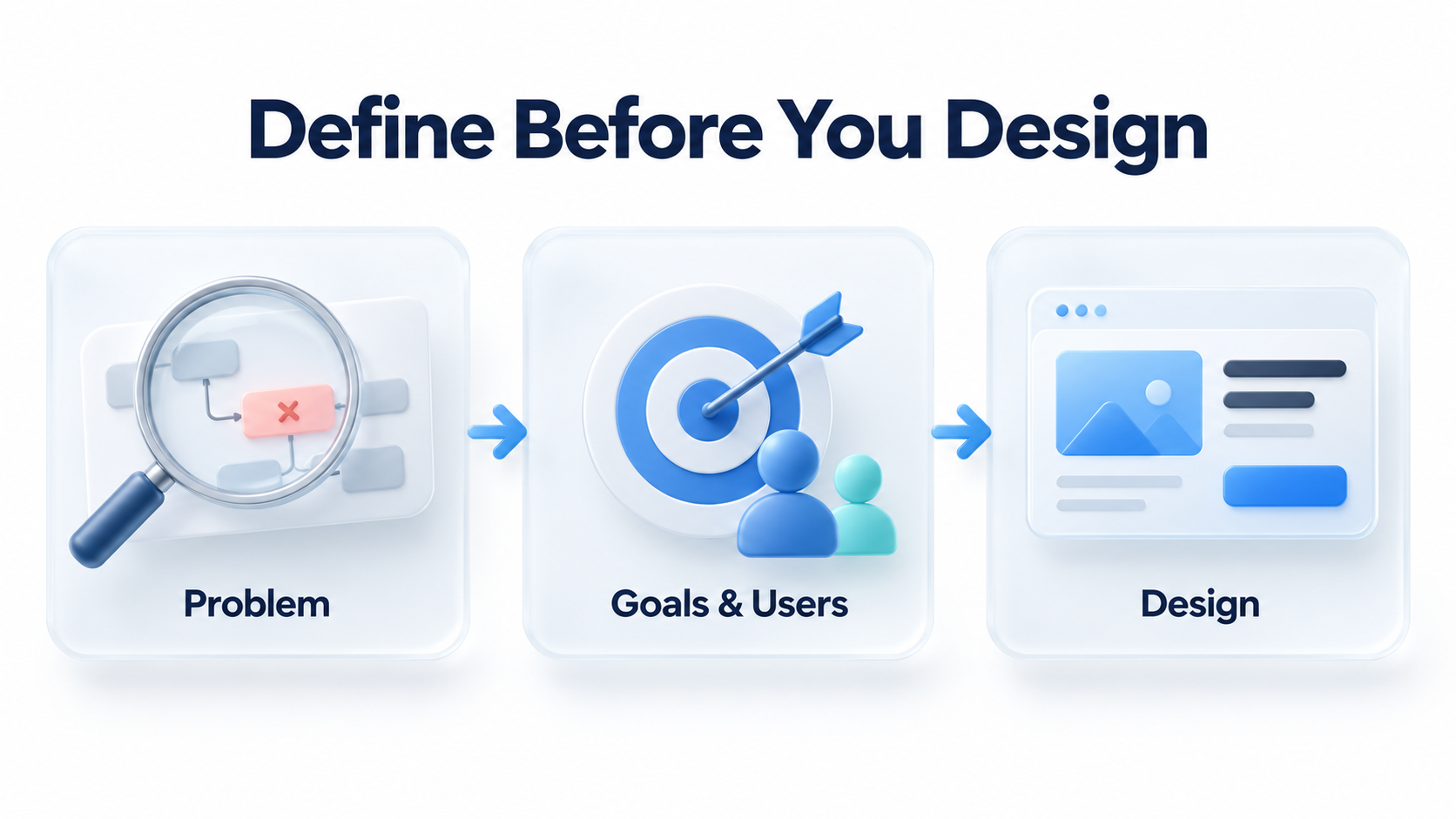
Design execution may begin with a defined request, such as creating a landing page or modernizing a homepage. A UX/UI consultant first asks: What problem should this page solve? Who are its primary users? Where is the current journey failing? Which KPIs will the business use to measure improvement?
In other words, consultants help define the problem before deciding on the design. This prevents teams from spending considerable time changing colors and layouts while leaving the workflow problems that actually affect conversions unresolved.
2. What Can UX/UI Consultants Help With?
Common areas of work include current experience audits, stakeholder interviews, user research, analytics reviews, competitive reviews, information architecture, journey maps, user flows, wireframes, prototypes, usability testing, UI design, design systems, and handoff governance.
For website projects, consultants also help clarify key experiences such as content hierarchy, menus, search, product navigation, forms, CTAs, downloads, language switching, and the mobile experience.
3. Why Do Enterprise Redesigns Often Stop at Visual Changes?
Visuals are the easiest elements to notice and discuss in meetings. Yet real UX problems often lie in data and workflows: high-traffic pages with no clear next step, mobile form abandonment, searches that return no results, product categories that do not match how customers think, or information fragmented by internal departmental structures.
If a redesign only changes banners, colors, and card styles, these problems carry over into the new website unchanged. UX consultants use analytics, user feedback, and task flows to identify high-impact problems before deciding what needs to be redesigned.
4. How Do Consultants Turn Research into Practical Designs?
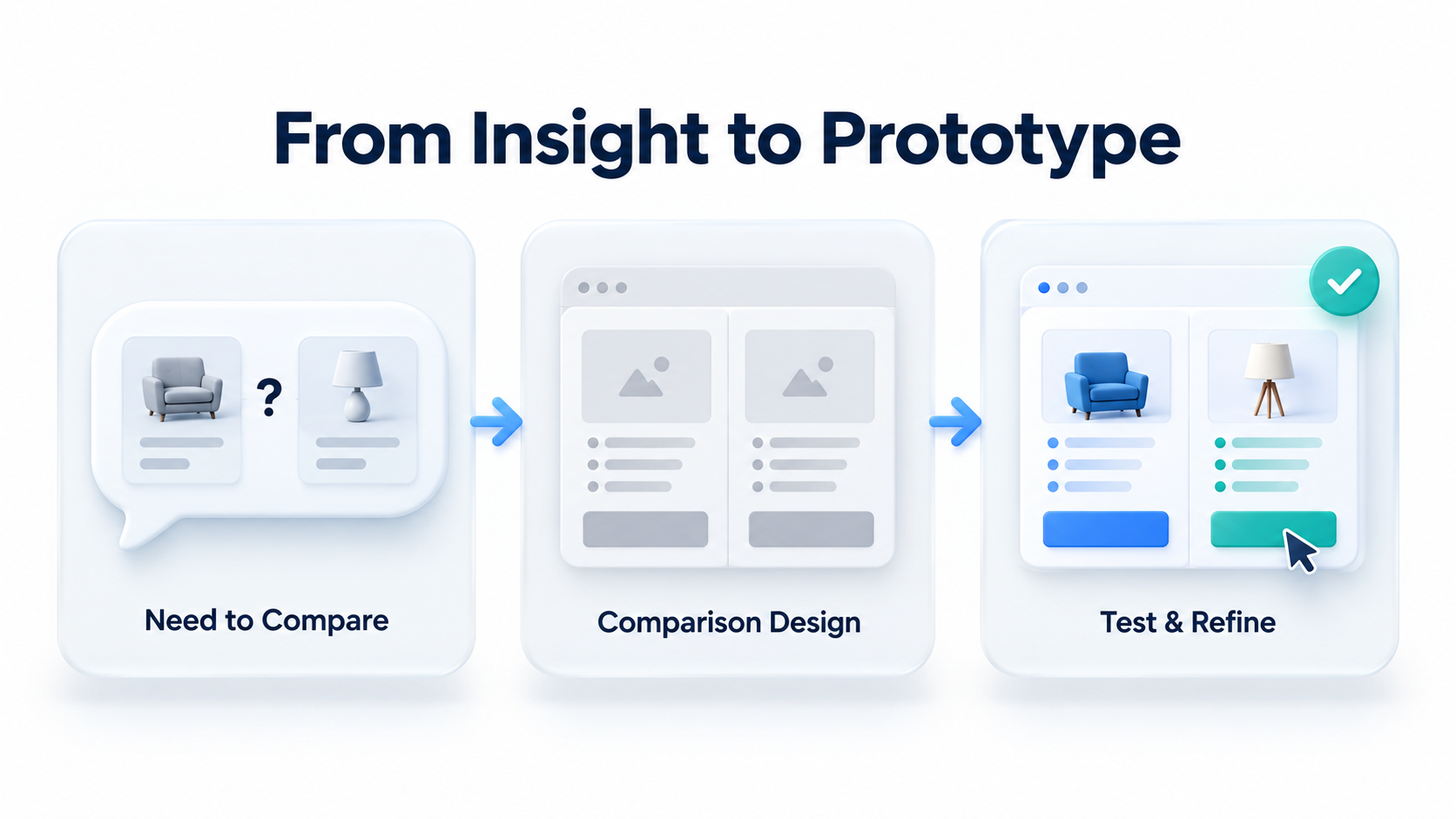
Research should not end with personas or workshops. Each insight should become a design principle or requirement. For example, a need to compare products quickly may lead to a comparison component. If many users arrive on product pages through search, each product detail page needs to provide complete context and a CTA on its own.
Wireframes and prototypes then validate the information hierarchy and interaction flows before UI design begins. This helps teams discover problems when changes are less expensive, avoiding rework after development is complete.
5. How Do UX/UI Consultants Work with Development, CMS, SEO, and Analytics?
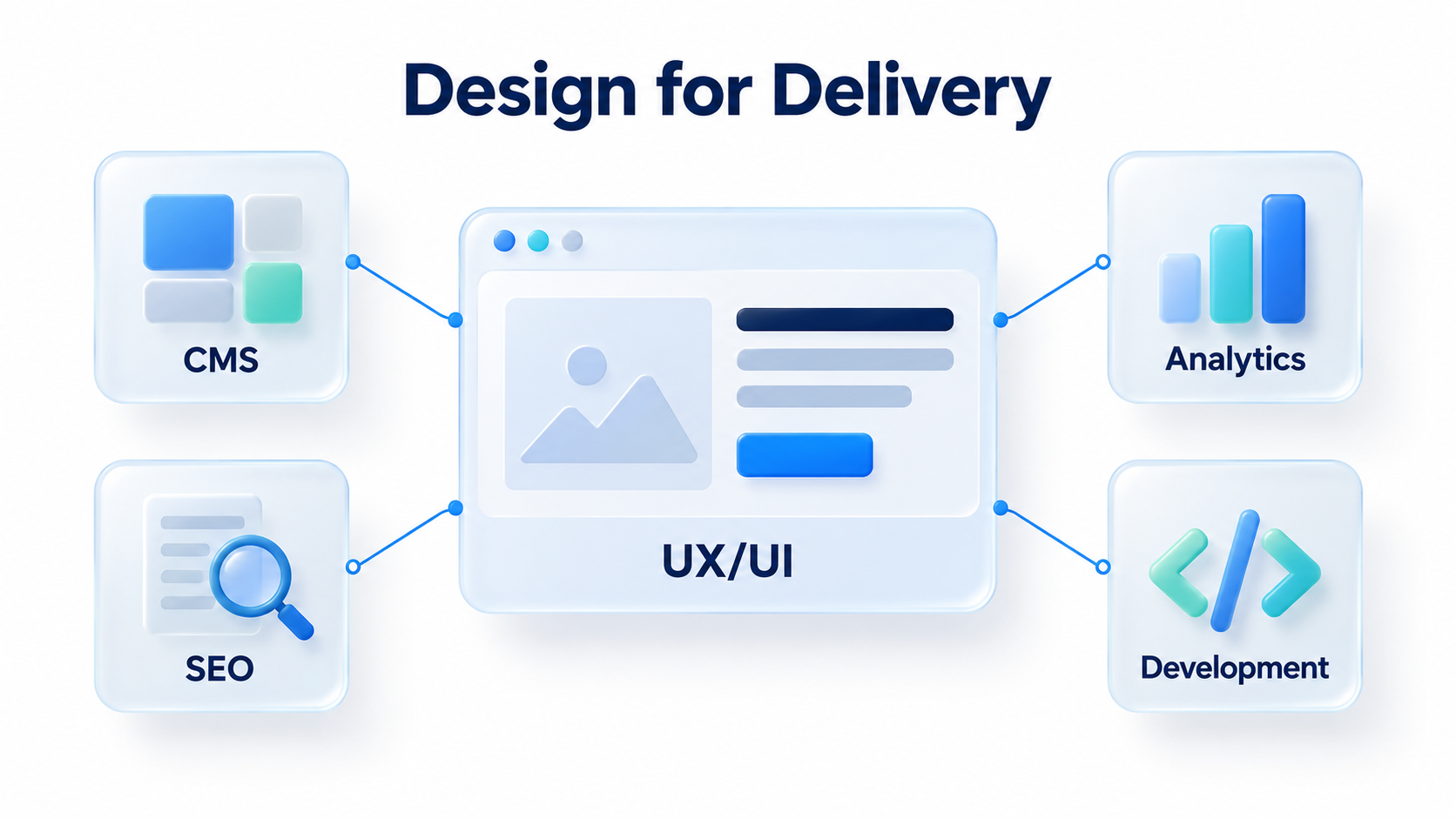
Enterprise website design cannot be separated from technology. The CMS determines which content can be modularized. SEO affects headings, internal links, and content structure. Analytics determines which interactions to measure, while development influences performance, accessibility, and component feasibility.
Good consultants involve the relevant roles during the wireframe stage to establish a component matrix, tracking requirements, responsive rules, and acceptance criteria. This significantly reduces gaps after handoff.
6. When Should You Bring in a Consultant?
UX/UI consultants are particularly valuable for major corporate website redesigns, multimarket or multilingual websites, member portals, complex forms, e-commerce flows, product comparison tools, design system rebuilds, and projects where internal teams cannot agree on the problem.
Enterprises with in-house designers can also assign audits, research, information architecture, or design systems to consultants while the internal team continues handling everyday design work.
7. How Do You Choose a UX/UI Consultant?
When evaluating consultants, consider whether they have clear research and problem-definition methods; offer a complete UX-to-UI process; have experience collaborating on websites, CMS, analytics, and development; can define KPIs and validation methods; and provide knowledge transfer and a maintainable design system.
8. Frequently Asked Questions (FAQ)
Do UX/UI consultants always need to conduct interviews?
Not always, but they need enough evidence to understand users and their problems. Depending on the project's scale, this may combine analytics, customer service data, stakeholder interviews, and user testing.
Who handles development after the consultant finishes the design?
The same team or a separate development team can implement it, but clear handoff procedures, component specifications, responsive rules, and QA processes are essential.
How do you measure the results of UX/UI consulting?
Depending on project goals, track task completion, form conversion, CTA clicks, search success, error rates, support contacts, engagement, or business conversions.
9. Conclusion
The real role of UX/UI consultants is to bring user problems, business requirements, and technical constraints together into digital experiences that can be implemented. When research, design, development, and measurement work within one process, websites and products can improve continuously instead of receiving a new visual layer every few years.
If your enterprise needs a UX/UI audit, website redesign, design system, or prototype planning, explore LeadsTech’s digital experience services:

To review your current UX issues and identify priority improvements, contact LeadsTech:

Related Articles
Enterprise AI MarTech Trends Analysis 2024-2029 Outlook Report
From AI content productivity tools to a core engine for revenue growth and marketing transformation
*The PDF will be sent directly to your inbox.