
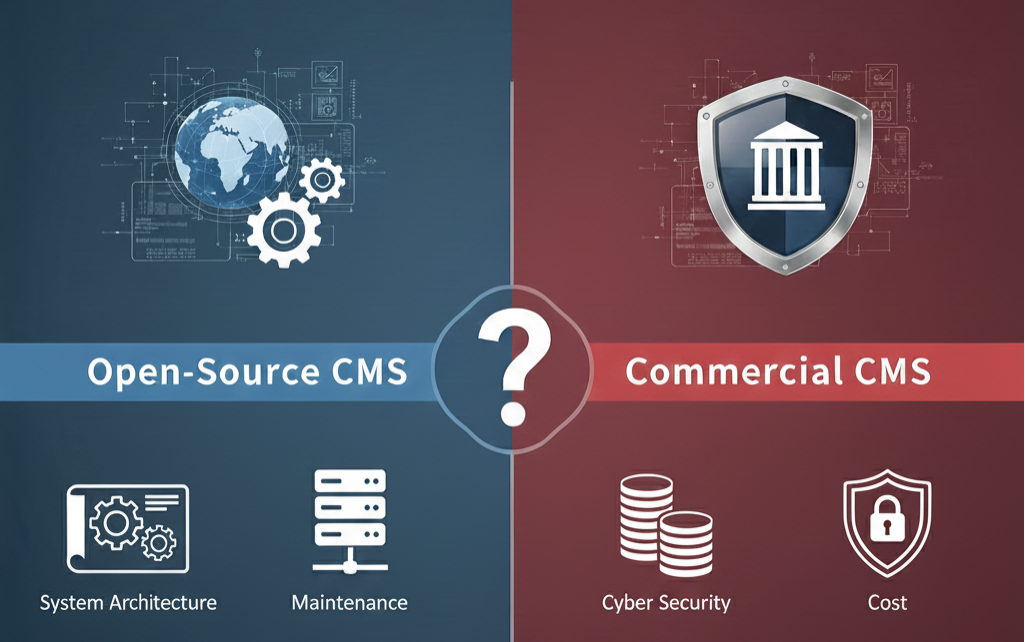
Open-Source CMS vs. Commercial CMS: 5 Key Differences for Enterprise Websites
AEM Sites, Content Management System (CMS), Magnolia CMS
20 January 2026
1. What Is an Open-Source CMS? What Is a Commercial CMS?
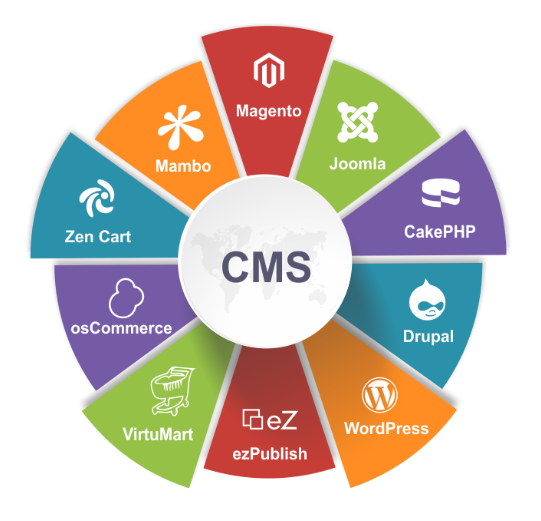
When people talk about open-source CMS platforms, WordPress is usually the most well-known example. Its core code is open, the community is massive, and the plugin ecosystem is highly mature—making it ideal for rapid website creation and content publishing. According to W3Techs, more than 40% of websites worldwide still run on WordPress, which clearly reflects its widespread adoption and success.
Commercial CMS platforms, on the other hand, are represented by solutions such as Adobe AEM, Sitecore, and Magnolia. These platforms typically operate under a clear licensing model and are not designed for “everyone to use,” but rather for enterprises that need to operate reliably within complex organizations and long-term business environments.
The real difference is not about whether open-source or commercial CMS is “better,” but whether your organization has reached a stage where enterprise-grade governance and architecture are required.
2. Key Differences Between Open-Source CMS and Commercial CMS

System Architecture and Scalability
Open-source CMS platforms are flexible and easy to extend with plugins, which works well for small teams. As systems grow, plugin conflicts and performance issues can become difficult to manage.
Commercial CMS platforms use modular, standardized architectures that scale more predictably, making them better suited for large or multi-brand organizations.

Security and Governance
Security risks in open-source CMS platforms usually come from plugins and maintenance gaps. These risks increase as content becomes tied to brand, legal, and compliance requirements.
Commercial CMS platforms are built for governance, with built-in permissions, workflows, and version control to support enterprise collaboration.

Performance and High-Traffic Scalability
Website performance directly affects user experience and conversions. WordPress performance depends heavily on hosting and plugins, which can be risky during traffic spikes.
Commercial CMS platforms are designed for high traffic and stability, making them more reliable for critical websites.
Integration Capabilities and Enterprise IT Ecosystem
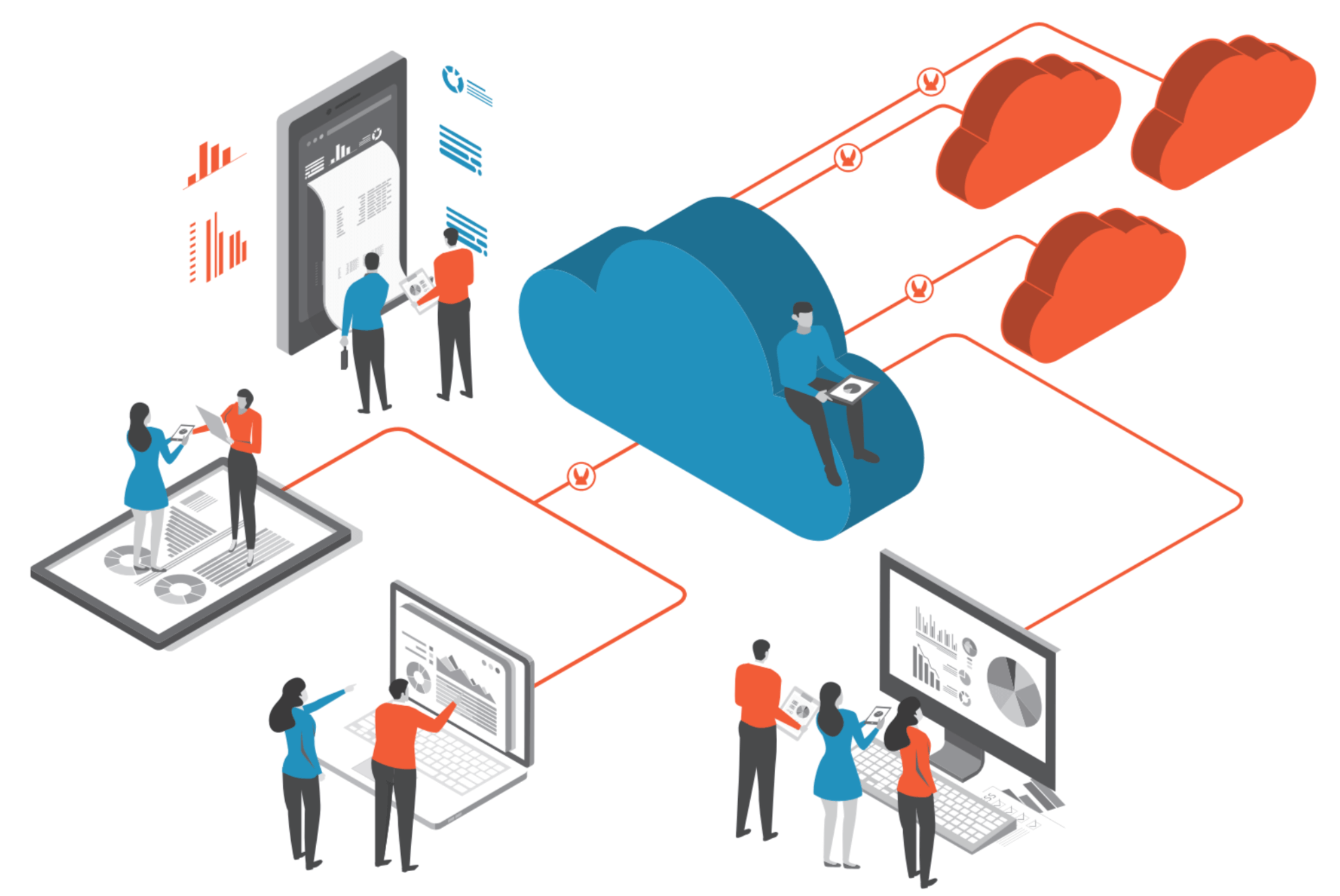
Modern CMS platforms must integrate with systems like CRM and ERP. Open-source CMS platforms rely on custom work and plugins, which increases long-term cost and risk.
Commercial CMS platforms are designed to fit into enterprise IT and MarTech ecosystems more easily.

Cost Structure and Long-Term Risk
Open-source CMS platforms appear low-cost but often carry hidden maintenance, security, and rebuild costs.
Commercial CMS platforms require higher upfront investment but provide more predictable stability and long-term value.
3. Conclusion: Why Large Enterprises Typically Choose Commercial CMS
As organizations grow in size and complexity, a CMS is no longer just a “website-building tool.” It becomes part of operational governance and risk management. This is why most large enterprises ultimately choose commercial CMS platforms—not because they are more “advanced,” but because they better align with enterprise realities.
Upgrading a CMS is never just about “switching systems.” It directly impacts website architecture, marketing efficiency, system integrations, and digital growth strategy over the next several years.
If you are currently considering questions such as:
- Is WordPress starting to limit enterprise growth?
- Should we adopt enterprise-grade CMS platforms like AEM, Sitecore, or Magnolia?
- Can our current CMS architecture support our digital strategy for the next 3–5 years?
Contact Us | Reach out to Leads Technologies. Based on your organization’s size, workflows, and technical environment, we can help you assess whether a CMS upgrade is necessary and identify the most suitable next step.
Further Reading
This article is the first in our AEM series. If you are evaluating your enterprise CMS architecture, the following articles provide deeper insights from different perspectives:
- AEM vs. WordPress: Why Large Enterprises Eventually Move Away from WordPress
- Can WordPress Support an Enterprise Website? Performance, Security, and SEO
- From WordPress to AEM: 6 Common Reasons Enterprises Choose to Migrate
This series is designed to help enterprises clarify CMS selection, identify the right upgrade timing, and understand where different enterprise CMS platforms fit best.
Related Articles
Enterprise AI MarTech Trends Analysis 2024-2029 Outlook Report
From AI content productivity tools to a core engine for revenue growth and marketing transformation
*The PDF will be sent directly to your inbox.
Email Error
Please enter a valid email address.
Thank You!
The whitepaper has been sent to your inbox. If you don’t see it, please check your spam or promotions folder.