
Data Cloud Consulting Guide: Implementation, Integration and Optimization
CDP, Salesforce
6 November 2026
Implementing a customer data platform often involves business rules, source systems, identity resolution, and downstream applications at the same time. A Salesforce Data Cloud consultant helps teams turn these dependencies into a plan they can execute, validate, and maintain. LeadsTech can help clarify Data Cloud scope and handover responsibilities through data architecture and integration planning. This guide explains the consultant’s responsibilities, the decisions your organization must retain, and how to assess the results of the engagement.
Summary
A Data Cloud implementation consultant should help you clarify use cases, design the architecture, define data and identity rules, and complete validation and handover from source to destination. Salesforce now calls the product Data 360; this article retains the Data Cloud name. Your organization still needs designated data and business owners to approve uses and accept deliverables. Assess the engagement through traceable documentation, test evidence, and your team’s ability to take ownership, rather than the number of features configured.
1. Why Data Platforms Require Cross-Functional Collaboration
Data Issues Often Cross System Boundaries
The same customer may appear in CRM, transaction, service, and marketing sources. Each system has its own identifiers, update methods, and authoritative records. Implementation must explain the business relationships among those records, not simply move them into one place.
When source departments, platform teams, and application users each complete their own part, the overall workflow can still break down. Data may reach the platform without matching an identity, or an audience may be delivered to a receiving system that does not know what action to take.
A consultant can map these dependencies, explain options and limitations, and assign work to the appropriate owners. The goal is a shared understanding, rather than leaving one team to solve every data problem alone.
Define the Engagement Around Internal Capabilities
If you already have a mature data team, consulting work can focus on particular platform capabilities, integrations, or acceptance testing. If you lack experience planning across systems, the engagement may need to start with use cases and architecture. The scope does not need to be the same for every organization.
For an existing platform, start by diagnosing the problem. Data delays, identity errors, or maintenance difficulties may stem from source quality, rules, or operating arrangements. Do not assume a complete rebuild is necessary before investigating.
Before the engagement begins, specify which capabilities you want to strengthen and who will take ownership after delivery. This turns outside expertise into knowledge your organization can retain, rather than relying on a few individuals only while the project is underway.
2. Require Deliverables You Can Validate
Architecture and Data Specifications
The consultant should document the complete path through sources, processing, models, and destinations, including required fields, identifiers, and update methods. Both business and technical teams should be able to understand why each data element exists and who maintains it.
Record the reasons behind architectural choices: which data will be ingested, which supported data federation approaches will be evaluated, and how those choices address freshness, query, and operational requirements. A single product diagram cannot explain the conditions required for implementation.
Specifications should preserve mappings from source fields to the common model, including definitions for dates, time zones, statuses, and relationships. When a source changes or results look wrong, your team needs a basis for deciding which settings to adjust.
Rules and Test Evidence
Document identity matching, summary value selection, and activation criteria separately, with their intended scope. A consultant should do more than demonstrate that a profile exists: your team needs to understand which sources were linked and how the result will be used.
Test evidence should include inputs, expected results, and actual outputs, with traceability through to the destination. Include negative cases and failure scenarios where needed so your team knows when the solution works and which limitations remain unresolved.
The deliverables list should also identify excluded sources, manual steps, and open decisions. Clear boundaries help you plan follow-up work and avoid mistaking a partially completed data view for a complete solution.
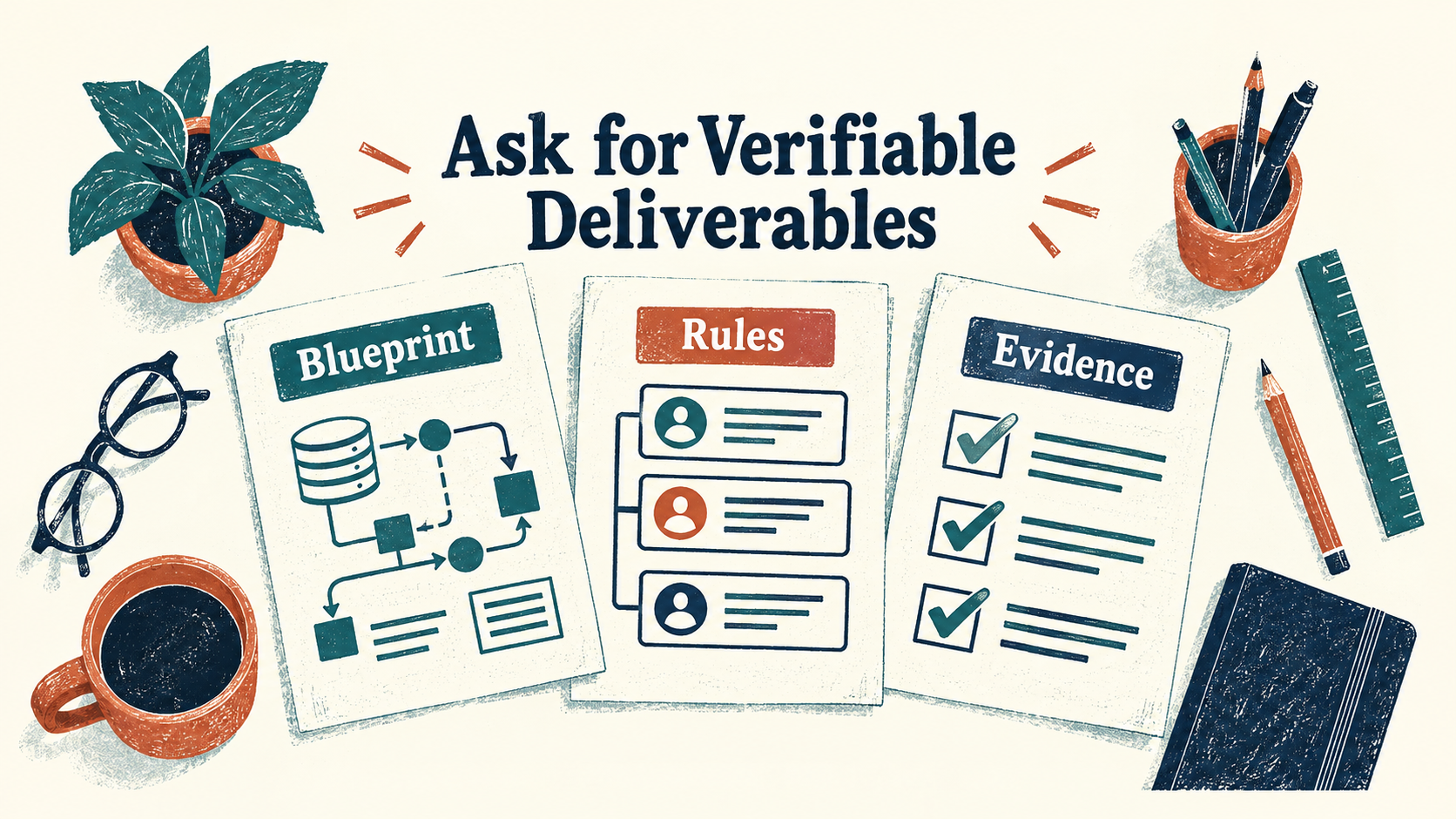
Figure 1: Validate delivery through architecture, rules, and evidence, rather than checking only whether features have been configured.
3. Turn Requirements Discussions into Shared Business Decisions
A consultant can start interviews with representative tasks, such as a service agent finding an order, a sales representative preparing a follow-up, or a marketer building an exclusion list. Each task should identify the user, required data, timing requirements, and expected action.
Designate people who can approve the rules. Choosing authoritative sources, defining eligibility, and deciding what happens when preferences change are business decisions. Technical staff should not be expected to infer them on their own.
Set priorities by considering both value and readiness. If an important use case lacks reliable identifiers, validate the data first. Another use case with a clear scope and available sources may be a better choice for the first phase.
Turn meeting outcomes into requirements and acceptance criteria that can be checked. A statement such as “provide a complete customer view” still needs sources, fields, update timing, and usage details before it becomes an acceptable deliverable.
When requirements change, the consultant should explain the impact on models, identity resolution, testing, and downstream systems. Your organization can then decide whether to include the change in the current phase. Scope management should make tradeoffs and responsibilities explicit, without preventing reasonable improvements.
4. Divide Responsibilities for Data Implementation and Integration
Consultants Design; Your Organization Defines Authoritative Data
A consultant can assess sources and design mappings and integrations, but your data owners must confirm field meanings, quality, and intended use. If two systems interpret the same status differently, the relevant business owners should jointly decide how to use it.
Distinguish corrections in source systems from transformations in the platform. Compensating for persistent input errors only in the new platform can hide the underlying cause. Necessary format differences, by contrast, can be handled through documented transformations and validation.
Your organization should confirm that samples are representative, covering normal records, missing values, duplicates, and historical changes. The consultant can then design tests that let both parties assess real data rather than idealized examples.
Cover Routine Updates and Failure Handling
After connecting a source, test record creation, modification, deletion, deactivation, and resends. When an interface or file feed recovers, establish where backfilling should begin and how duplicate data or downstream actions will be prevented.
The consultant should establish traceability across source identifiers, processing times, and destination results. When an exception occurs, teams need to know where the data stopped, rather than receiving only an error code that is difficult to interpret.
List external system and vendor requirements as project dependencies. Accounts, permissions, interface limits, and testing windows can all affect integration outcomes. Platform configuration progress alone does not establish overall project progress.
5. Accept Identity Resolution and Activation Based on Results
Test Representative Records and Negative Cases
Design identity matching rules around data quality and intended use. A consultant should help identify shared phone numbers, departmental email addresses, and similar names to avoid incorrectly linking different customers.
Reconciliation rules select summary field values in unified profiles; they do not automatically overwrite source records. The consultant should explain the roles of summary values and source data so you know when a separate process is needed to update authoritative records.
Acceptance testing should examine records that should match, records that should remain separate, and records with insufficient information. A unification rate or total record count does not prove identity quality. Individual results and the rules behind them must be explainable.
Validate the Path from Activation to Business Action
Activation design should specify destinations, contact point selection, output fields, and how approved uses and preferences are applied. Each decision should be observable in testing.
Receiving-system teams should participate in acceptance testing to confirm that identities map correctly, formats are usable, and the intended action can be completed. A successful delivery status in the platform does not replace evidence from the destination.
Real-time, streaming, and batch capabilities each have supported conditions. The consultant should check plans and configuration against the use case and measure the entire timeline. A fast response at one step is not grounds to promise that all data and downstream actions will complete immediately.
6. Plan Production Launch and Handover
The cutover plan should cover environments, connection accounts, data scope, activation arrangements, and verification methods. The consultant and your team should confirm every prerequisite together. Copying settings from a test environment is not enough to declare the launch complete.
Start with a controlled set of sources or use cases, observe data quality, latency, and destination results, and then decide whether to expand. Document the impact, response, and owner for any unresolved issues.
Handover materials should include architecture, mappings, rule versions, dependencies, and exception handling. Alongside the documentation, have the receiving team trace a record, inspect an activation, and practice reporting an issue.
Your team needs to know who can change settings, who can pause activations, and what must be validated before resuming. Stopping future data delivery does not necessarily reverse actions already completed at the destination. Plan those responses together.
- Source, model, and identifier specifications are accessible.
- Identity and activation rules have documented approvals.
- Normal cases, negative cases, and failure samples have been validated.
- Destinations can complete the intended business actions.
- Known limitations and open items have assigned owners.
- Internal teams can perform basic monitoring and troubleshooting.
7. Establish Continuous Improvement After Launch
Observe First, Then Diagnose and Change
A consultant can help organize data volumes, quality, latency, identity differences, and activation results, connecting technical signals to business use cases. Each improvement item should explain its impact and expected result so your organization can set priorities.
A sudden decrease in an audience may result from source delays, preference updates, or changed criteria. Establish the cause before choosing what to fix. Do not simply relax the rules to restore the count.
Rerun representative tests after every change and inspect downstream results. Add newly discovered negative cases to future validation datasets so the lessons become part of a repeatable process.
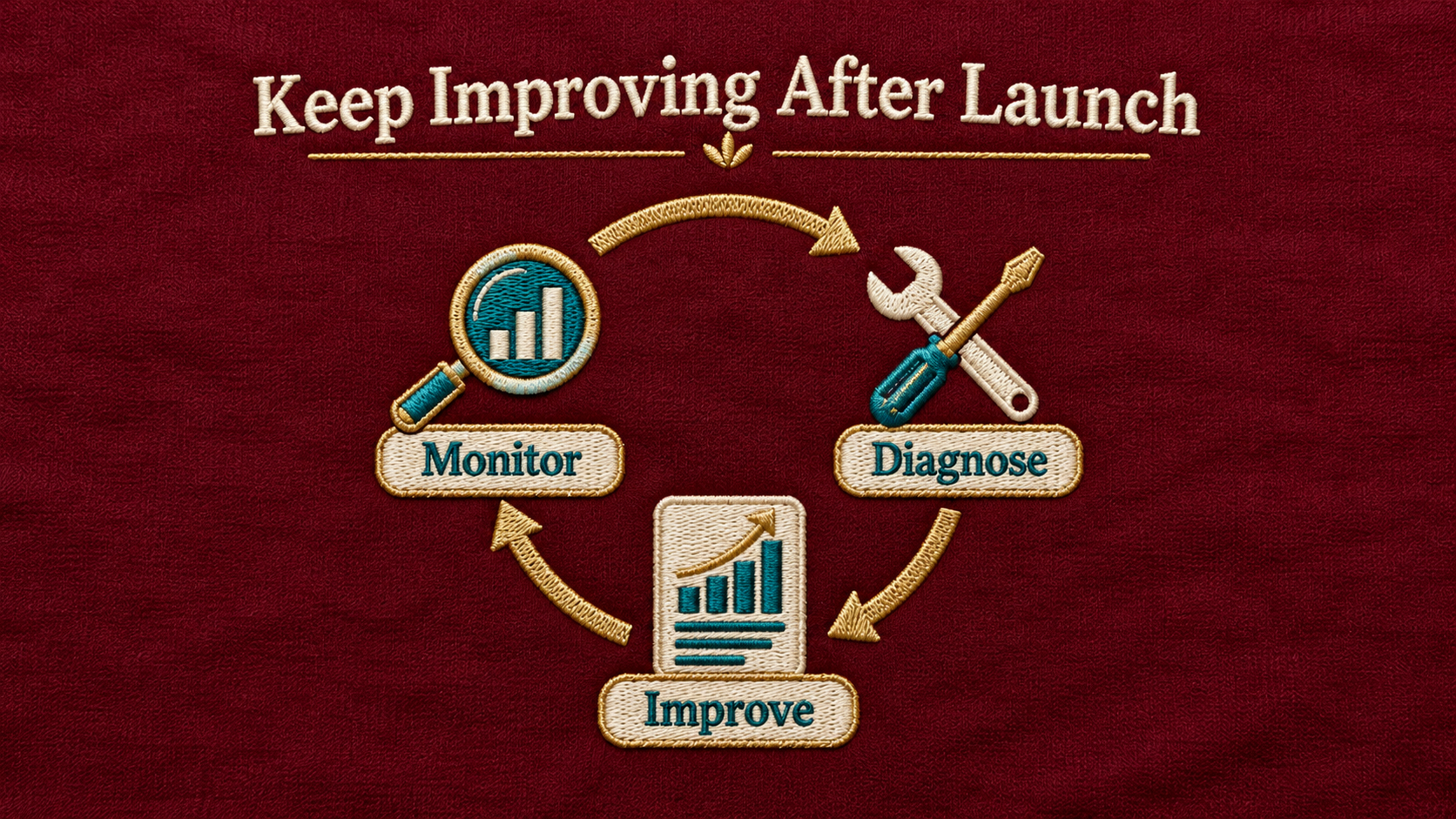
Figure 2: Use monitoring to identify causes, then test changes to maintain a continuous improvement cycle.
Manage Consumption, Expansion, and Simplification Together
Review platform consumption in the context of the actual plan, data scope, and processing frequency. A consultant should explain which settings serve which purposes, helping you understand the impact before adding requirements rather than promising fixed costs.
Before adding sources or applications, assess whether existing models and rules can be reused. If every department creates similar structures independently, maintenance becomes increasingly difficult. The consultant should help identify what can be shared and what should remain separate.
Continuous improvement also includes removing obsolete settings, outdated tests, and unused activations. Keeping the architecture understandable helps new team members take ownership and reduces dependencies that are difficult to identify when changes are needed.
8. Choose the Right Implementation Consultant
Assess Methods and Deliverables
Ask how the consultant would handle source, identity, and destination issues similar to yours. Request an explanation of the analysis, limitations, and acceptance evidence. Product names and feature lists cannot replace an understanding of the actual use case.
Align scope before comparing proposals, including data discovery, cleansing responsibilities, models, identity resolution, integrations, testing, and handover. When the included work differs, total costs and schedules cannot be compared directly.
The consultant should also explain which data and decisions your organization must provide and how unmet prerequisites will be handled. Disclosing dependencies clearly supports collaboration more effectively than hiding uncertainty within an apparently complete plan.
Test the Working Relationship with a Limited Engagement
Suppose an organization wants to include service information in sales follow-up. It could select representative accounts and essential case fields, then ask a consultant to propose the data path, identity rules, and workspace validation approach. This is a hypothetical engagement scenario, not an actual customer result.
Your organization supplies authoritative definitions and samples; the consultant completes design and testing. Together, you confirm whether sales staff can understand the data and take appropriate action. This makes both the working relationship and delivery quality tangible.
If the initial work reveals that source identifiers are the main problem, improve those identifiers first. If data is usable but the experience is difficult, prioritize receiving-system workflows. Let evidence guide the engagement rather than adding features mechanically.
Support arrangements should distinguish operational questions, system incidents, and new requirements, with reporting methods and required evidence for each. Your team and the consultant can regularly review support records to identify recurring causes, then decide whether to improve documentation, settings, or source processes instead of resolving the same issue through temporary fixes each time.
9. Frequently Asked Questions
Can a consultant make every data decision for us?
That is not advisable. A consultant can analyze and design, but your organization must approve authoritative sources, intended uses, business rules, and acceptance criteria, and assign ongoing maintenance owners.
Can we use a consultant if we already have Data Cloud?
Yes. Start with a focused diagnosis of data quality, identity, activation, or maintenance issues, then define the changes needed. Identify the cause before assuming a complete rebuild is necessary.
How can we avoid long-term overdependence on an external team?
Agree on documentation, practical exercises, and administrative handover at the start. Involve internal staff in requirements and acceptance testing, and retain the reasons behind important settings and troubleshooting methods in materials your team can access.
10. Conclusion
A Data Cloud consultant turns data and application requirements into results you can validate while helping your organization build the ability to take ownership and improve over time. Clear responsibilities, complete evidence, and understandable architecture are essential to a productive engagement.
LeadsTech can discuss your Salesforce data platform implementation, integration, and optimization needs, starting with priority use cases to define practical work.

To assess a new implementation or an existing deployment, bring an overview of your main sources, destinations, and current issues so we can discuss the right scope of engagement.

11. Further Reading
-
A CDP Implementation Guide for Taiwan: Integrating Customer Data
Explore further considerations for data integration, governance, and implementation planning.
-
Why CRM Implementations Fail and How to Choose a Consultant
Review requirements, responsibilities, and collaboration practices to create an implementation plan your team can execute.
Related Articles

Enterprise AI MarTech Trends Analysis 2024-2029 Outlook Report
From AI content productivity tools to a core engine for revenue growth and marketing transformation
*The PDF will be sent directly to your inbox.