
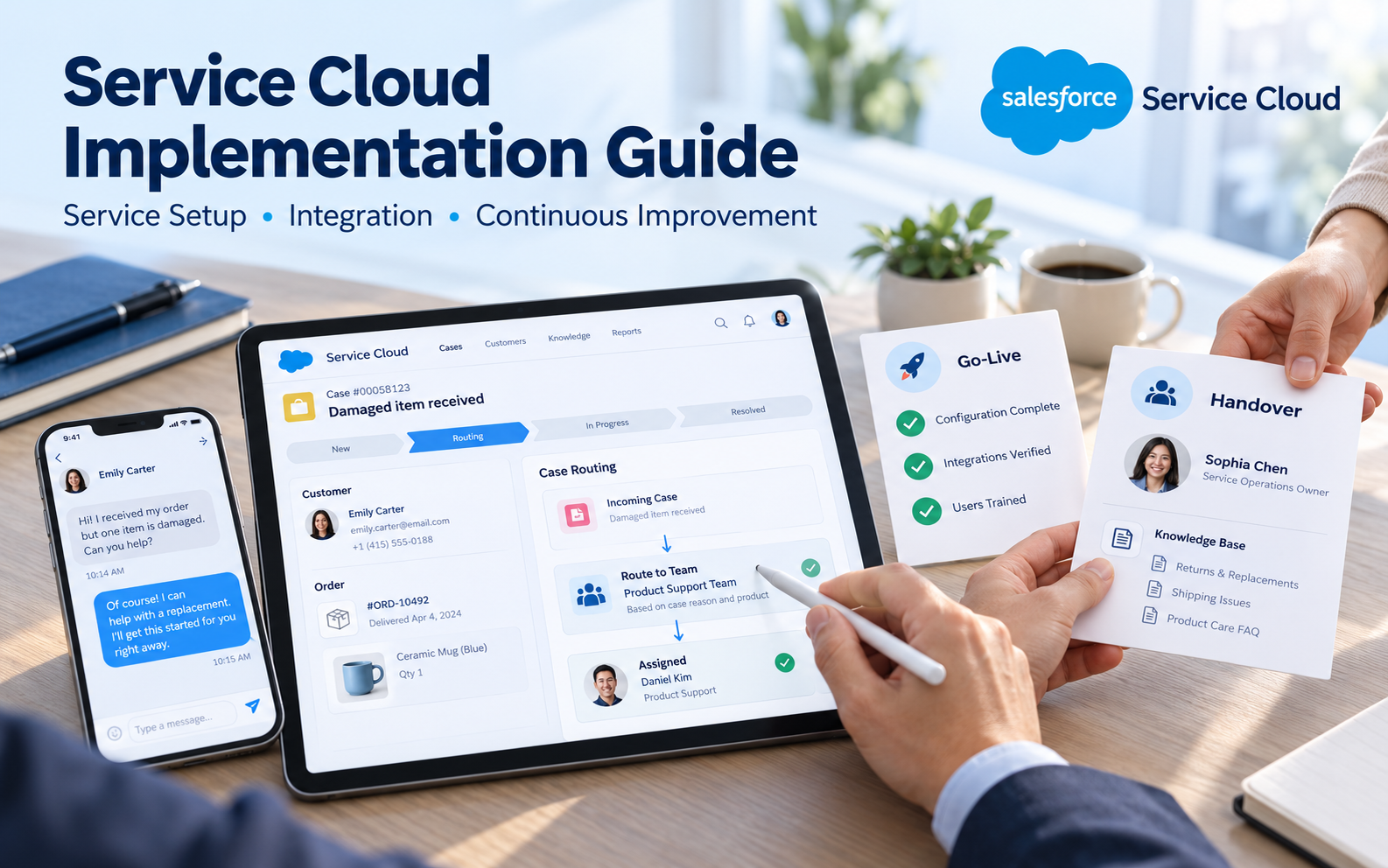
Service Cloud Consulting: Setup and Process Improvement
Customer Relationship Management (CRM), Salesforce
2 November 2026
A successful customer service implementation connects case ownership, service rules, data, and day-to-day work into a complete process. A Salesforce Service Cloud implementation consultant can help organize that effort. This guide explains the consultant’s role in planning, configuration, cutover, and continuous improvement, and shows how to manage the engagement through clear deliverables and acceptance criteria.
Summary
A Service Cloud implementation consultant should start with service processes and responsibilities, then address cases, routing, data integration, acceptance testing, and handoff. The outcome should include both a usable system and a team that understands the rules, handles exceptions, and maintains the platform. This article uses the name Service Cloud; current Salesforce documentation also uses Agentforce Service. Confirm the scope, capabilities, and licensing of the actual solution, and validate it with representative cases.
1. Why Customer Service Implementations Need Cross-Functional Collaboration
Customer service issues often cross departmental boundaries. An order-status inquiry may require transaction data, a product issue may need technical support, and service commitments may depend on management decisions or contract terms. If each team completes only its own configuration, the overall service process can still break down.
A consultant helps teams turn different requirements into a shared process, making data flows, handoffs, and missing prerequisites clear. This requires an understanding of service operations and the ability to translate business rules into a system design that can be tested.
An organization that already has a platform can start with a diagnostic assessment if cases frequently stall, routing decisions are difficult to explain, or staff resist using the system. Fields, processes, integrations, or training may be responsible. A complete rebuild should not be the default assumption.
If your internal team already has mature capabilities, focus the engagement on architecture, specific integrations, or acceptance testing. Scope the work around actual capability gaps so your organization retains essential process decisions and operational knowledge.
2. Start by Clarifying Service Rules
Define Case Ownership and Cross-Department Handoffs
Begin requirements interviews with representative cases and trace how they are received, classified, handled, transferred, and closed. Include both service managers and frontline staff, because formal procedures may differ from daily practice.
The consultant should identify who owns each stage and the conditions for accepting a handoff. For example, must the original agent continue following up until technical support accepts the case? Who resumes work when the customer supplies more information? Changing the case owner alone does not fully define these responsibilities.
Your organization also needs to appoint people who have authority to decide service rules. A consultant can explain options and consequences, but the business must approve customer priorities and exceptions that require human judgment. Resolve these principles before configuration is complete.
Define Routing, Timing, and Exceptions
Routing rules should account for products, languages, issue types, and staff capabilities, including what happens when no suitable agent is available. The consultant should test whether the rules can work in practice instead of simply combining every department’s requests.
Define what first response, resolution, waiting time, and escalation mean for your service commitments. Turn business hours, holidays, and regional arrangements into specific test scenarios so the organization can confirm that the configuration reflects those commitments.
Identify exceptions during design, including duplicate submissions, missing information, external system outages, and replies received after closure. Process documentation should explain the next action and its owner; labeling every exception “manual handling” is not sufficient.
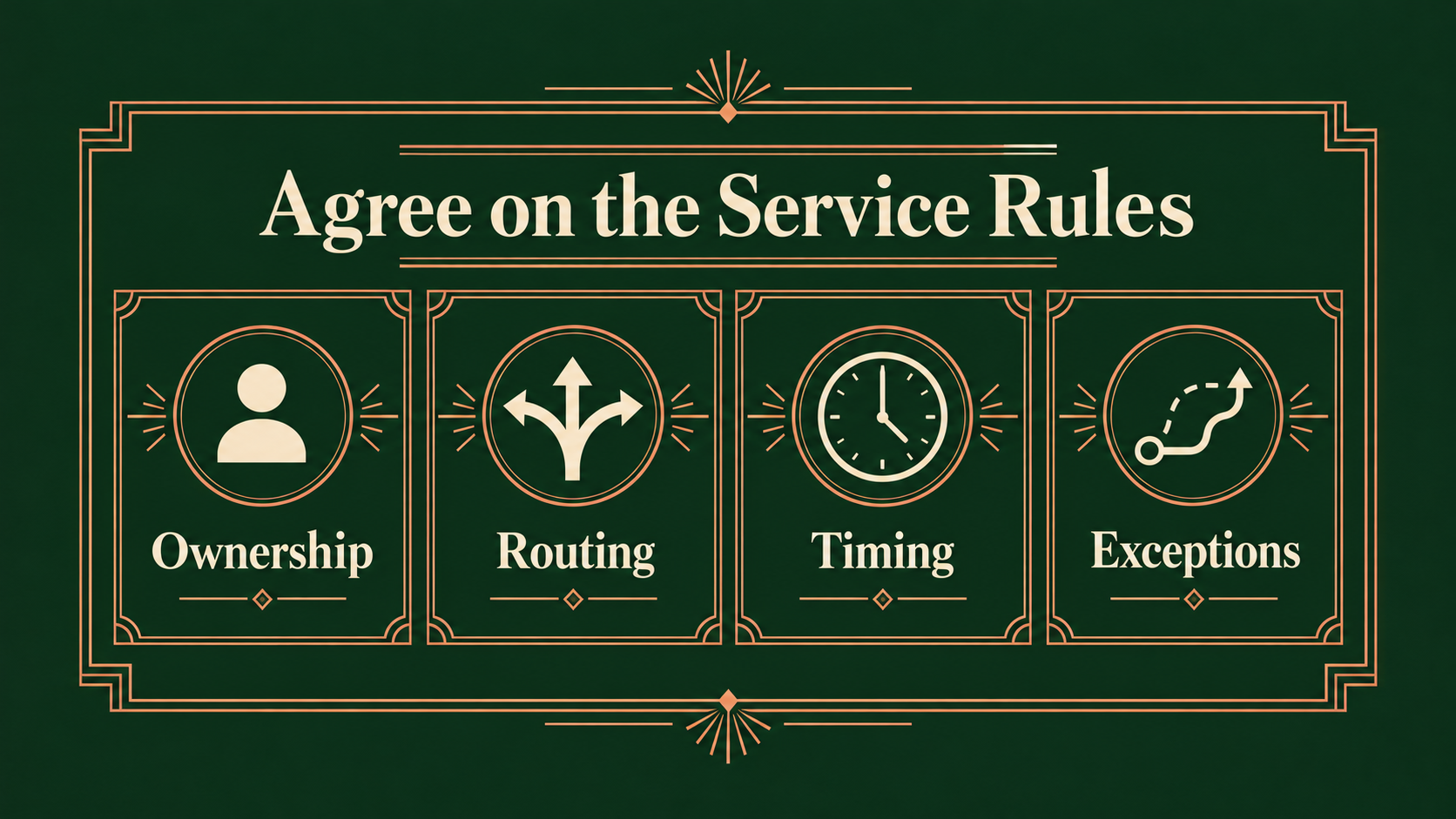
Figure 1: Agree on case ownership, routing, service hours, and exception rules before configuring the system.
3. Define Implementation Deliverables That Can Be Accepted
Case and Agent Workspace Design
The consultant should deliver case definitions, field descriptions, statuses, and role-based operating procedures, and show how the design supports handling and analysis. More fields do not necessarily create a more complete system. What matters is whether the right information is available when needed.
Validate the agent workspace through everyday tasks. Ask staff to find customer context, review related information, respond, and transfer cases, and observe whether they still need to switch tools extensively. Adjust the design based on those results instead of judging it solely by the completeness of a demonstration screen.
Knowledge content, standard responses, and other productivity tools also need a defined scope and maintenance process. A consultant can establish the structure and workflow, while the organization assigns responsibility for content review and updates so knowledge does not quickly become outdated after launch.
Routing and Automation Design
If you use Omni-Channel, the consultant should explain how work entry points, agent eligibility, availability, and capacity interact, and verify the channels and licenses in use. Design the solution around current Enhanced Omni-Channel documentation and the actual environment.
Automation deliverables should document triggers, actions, exceptions, and retry behavior. If standard rules, Flow, and external systems all update cases, identify field ownership and interactions to prevent duplicate notifications or conflicting status updates.
Configuration documentation should record the reasoning behind design choices, such as why a case type requires manual acceptance or why a field is read-only. This context helps future administrators understand the trade-offs and make informed changes as the business evolves.
4. Share Responsibility for Data Integration and Migration
A service platform may need CRM, transaction, contract, or equipment information. The consultant should first clarify data uses, identifiers, and sources, distinguish data that must be stored from information that only needs to be queried, and then confirm interfaces and update arrangements.
Business data owners must approve field definitions and ownership rules. A consultant can design mappings and integrations but cannot independently decide which source represents the official order status or how ambiguous historical classifications should be interpreted.
Integration acceptance tests should cover valid records, missing values, duplicates, delays, and source outages. Teams need to know which cases are affected, how recovery works, and whether resubmission creates duplicate work. A working interface alone does not mean the service process is ready to use.
Migration planning should define scope, cleansing, and reconciliation methods. Prioritize open cases, customer relationships, and essential history, and have future users confirm that they can continue handling those cases. Checking total record counts is not enough.
A sample migration rehearsal can reveal differences in dates, statuses, owners, and attachments. Feed those findings back into specifications and cutover planning rather than treating the rehearsal as a one-time technical test before the final migration.
5. Maintain Service Continuity During Go-Live
Create an Executable Cutover Plan
The go-live plan should list checks, owners, and evidence of completion for final data updates, account access, channel switching, and staff readiness. Define how each dependency will be confirmed instead of assuming that reaching a calendar date means the work is complete.
If old and new systems run in parallel briefly, specify where new cases are created, where statuses are updated, and how historical records are found. Maintaining the same work in two tools can lead to duplicate replies or inconsistent information.
The consultant should help arrange monitoring and fallback procedures. If a primary channel, routing process, or data source fails, the team needs to know who can authorize a pause, how to maintain basic service, and what must be verified before normal operations resume.
Include Both Business and Technical Acceptance Evidence
Technical testing verifies configuration and integration behavior; business acceptance confirms that agents can complete real work. Both are necessary. Successfully creating a case or running automation without errors does not, by itself, prove that customer service meets expectations.
Test common, complex, and exceptional cases, recording expected and actual results. The consultant should clearly identify unresolved issues and their impact so the organization can decide whether to accept limitations, defer part of the scope, or require corrections.
- Each case has a complete, traceable path from intake to closure.
- Routing, transfers, and scenarios with no available recipient have been tested.
- Service deadlines and exception timing match approved rules.
- Data, permissions, and migrated relationships have been checked.
- Agents and supervisors can complete essential tasks.
- Responsibilities for cutover, pauses, recovery, and support are confirmed.
6. Include Documentation, Practice, and Support in the Handoff
Organize operating documentation by role and task: how an agent accepts work, how a supervisor handles a backlog, and how an administrator investigates an exception. Documentation does not need to capture every screen, but it should answer the questions people encounter in daily work.
After training, have the receiving team complete representative tasks themselves, including normal handling, a transfer, and an exception report. The consultant can identify steps that still require verbal prompts, then improve the documentation or adjust the design.
The administrative handoff should also cover configuration inventories, integration dependencies, versions, and important limitations. Your organization needs to know who can change what and which checks are required afterward, rather than relying on individual memory to keep the system running.
Support arrangements should distinguish operating questions, system failures, and new requirements, and explain how to report each issue with the necessary information. Recording the impact, time of occurrence, and representative cases helps consultants or internal teams investigate effectively.
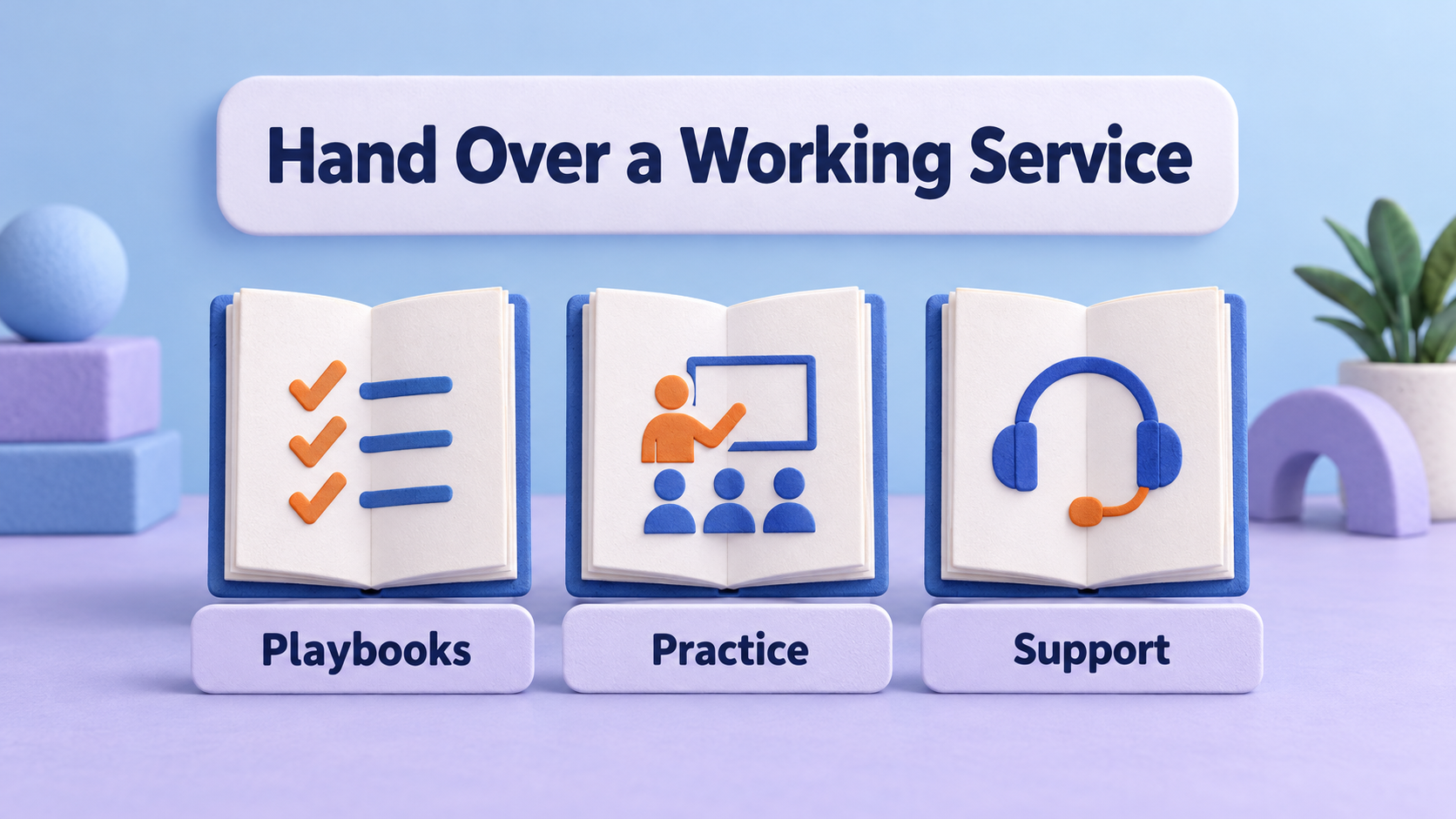
Figure 2: A complete handoff combines work instructions, hands-on practice, and ongoing support.
7. Make Continuous Improvement Manageable
After go-live, monitor unassigned cases, cases with no recent updates, repeated transfers, and missing data, then combine those observations with frontline feedback to understand the causes. The consultant should distinguish configuration, data, content, and staffing issues so that every problem is not treated as a request for a new feature.
Each improvement needs a goal, a defined change, and a way to validate the result. To reduce unnecessary transfers, for example, first check whether classifications are clear, required information is complete, and acceptance conditions are consistent. Then decide what to adjust.
Service quality cannot be judged by closure speed alone. Cases that close quickly but repeatedly reopen may indicate problems with resolution quality or closure criteria. The consultant should help establish consistently defined measures instead of promising results based on a single number.
Regular reviews should also identify obsolete rules, outdated knowledge, and duplicate configurations. Continuous improvement includes simplification and cleanup so new team members can still understand the system without an ever-growing layer of complexity.
8. Evaluate a Service Cloud Consultant’s Ability to Collaborate
Ask how the consultant has addressed channel, data, and cross-department challenges similar to yours, and request an explanation of the method and evidence of delivery. Relevant experience matters when it demonstrates an understanding of risks and trade-offs, not merely a list of products or features.
Before comparing proposals, align the scope of case types, data sources, channels, testing, migration, and training. Quotes that cover different work cannot be compared by total price alone. Consider the additional preparation and maintenance your organization would need to undertake.
The engagement plan should identify the data, content, and decisions the organization must provide, alongside the consultant’s design and implementation responsibilities. Track any unresolved prerequisites explicitly so both sides can adjust scope and schedules early.
For example, suppose a B2B company needs to transfer general customer service cases to technical support. A consultant could design a representative workflow, required data, and routing approach, while the company approves service rules and provides test samples. This is a hypothetical engagement scenario, not an actual client outcome.
In that scenario, the deliverables should demonstrate clear ownership after transfer, continuity of customer information, and a defined response when no one accepts the case. The engagement creates sustainable operational capability when the organization can use and understand the process itself.
Keep Requirement Changes and Decisions Traceable
When new channels, reports, or integrations arise during the engagement, first record the purpose and intended users, then assess the impact on data, testing, training, and support. Even a small screen change may alter responsibility for existing cases.
The consultant and organization can maintain a shared change log that identifies what is included in the current phase, what is deferred, and why. Update acceptance criteria for approved changes so both parties evaluate the same deliverables rather than relying on recollections of meeting discussions.
At phase reviews, discuss completed work, pending decisions, and added scope separately. If the organization cannot provide source data or confirm rules on time, identify which tasks can continue and which deliverables need to be rescheduled.
Use the same approach for ongoing improvements. Connecting requirements, design rationale, and test evidence helps new administrators understand earlier decisions, reduces repeated discussions, and prevents accidental changes to established service commitments.
9. FAQs
Can a consultant decide all customer service rules for us?
No. A consultant can analyze requirements and propose options, but your organization must approve service goals, responsibilities, priorities, and data uses, and appoint owners who can maintain those rules.
Do we need a consultant if Service Cloud is already live?
Base the decision on actual capability gaps. If processes stall or integration and maintenance problems persist, start with a clearly scoped assessment, then consider corrections and training. A complete rebuild does not need to be the starting point.
How can we avoid excessive dependence on an external team after go-live?
Agree on documentation, hands-on practice, and an administrative handoff at the start of the engagement. Involve internal staff in design and acceptance testing, and ensure they can access and understand the reasoning behind important settings and exception procedures.
10. Conclusion
A Service Cloud implementation consultant should help turn service rules into a usable system and prepare the team to take ownership and improve it over time. Clear responsibilities, test evidence, and a practical handoff provide a sound basis for evaluating the engagement.
LeadsTech can discuss your Salesforce service processes, data integration, and implementation needs, and help define an appropriate setup or improvement scope around priority scenarios.

If you are planning a new system or improving an existing service process, outline your main challenges, channels, and team responsibilities, and discuss the next steps with us.

11. Further Reading
-
Why CRM Implementations Fail and How to Choose a Consultant
Review requirements, responsibilities, and collaboration methods to build a practical implementation plan.
-
How Salesforce Partners Support Global CRM Operations
Explore collaboration approaches for cross-team system management and ongoing support.
Related Articles

Enterprise AI MarTech Trends Analysis 2024-2029 Outlook Report
From AI content productivity tools to a core engine for revenue growth and marketing transformation
*The PDF will be sent directly to your inbox.