When a customer keeps getting registration reminders after signing up, the data and workflow are often out of sync. Braze Marketing Automation helps teams communicate based on each customer’s current status. This guide explains where Braze fits, how cross-channel journeys work, and what to prepare before implementation.
Key Takeaways (TL;DR)
Braze Marketing Automation connects customer data, segmentation, and messaging workflows to make interactions more relevant. Results depend on accurate identity and event data and on whether customers are eligible for each channel. Data can still arrive late on a real-time platform. Start with one journey you can validate, then expand.
1. What Is Braze Marketing Automation?
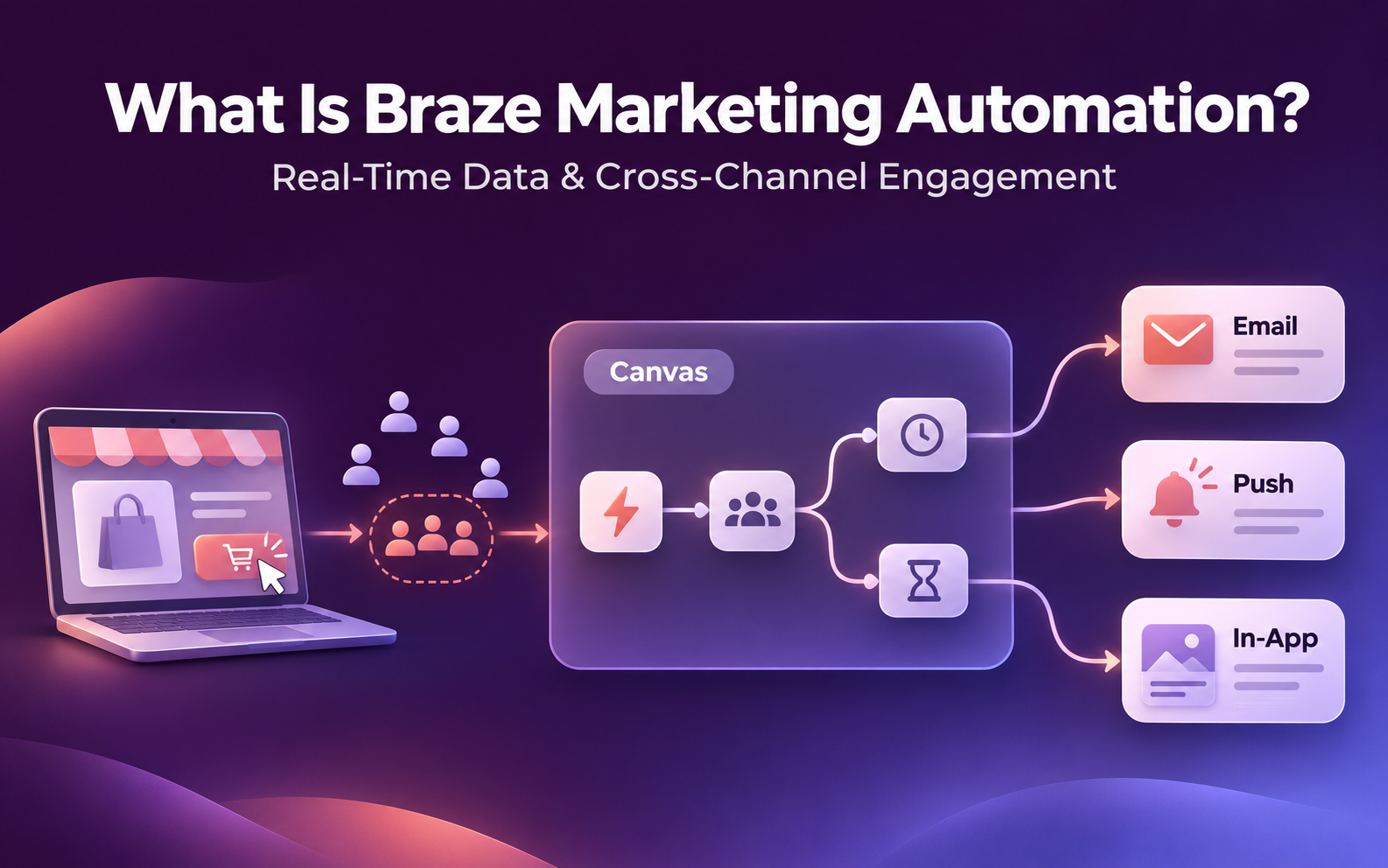
Marketing automation runs workflows according to defined rules. Braze helps teams use customer attributes and behavior to decide when and how to send messages, supporting ongoing, meaningful customer engagement.
LeadsTech can help plan a Braze implementation, integrate data, and design journeys. Braze runs the configured data and messaging rules, while consultants help clarify business requirements, integration details, and how the team will operate the system.
For example, you can send guidance to new users who have yet to finish setup and stop reminders once they complete it. Tailoring the message to that task makes it more relevant than sending the same message to everyone.
2. How Does Data Inform the Right Message?
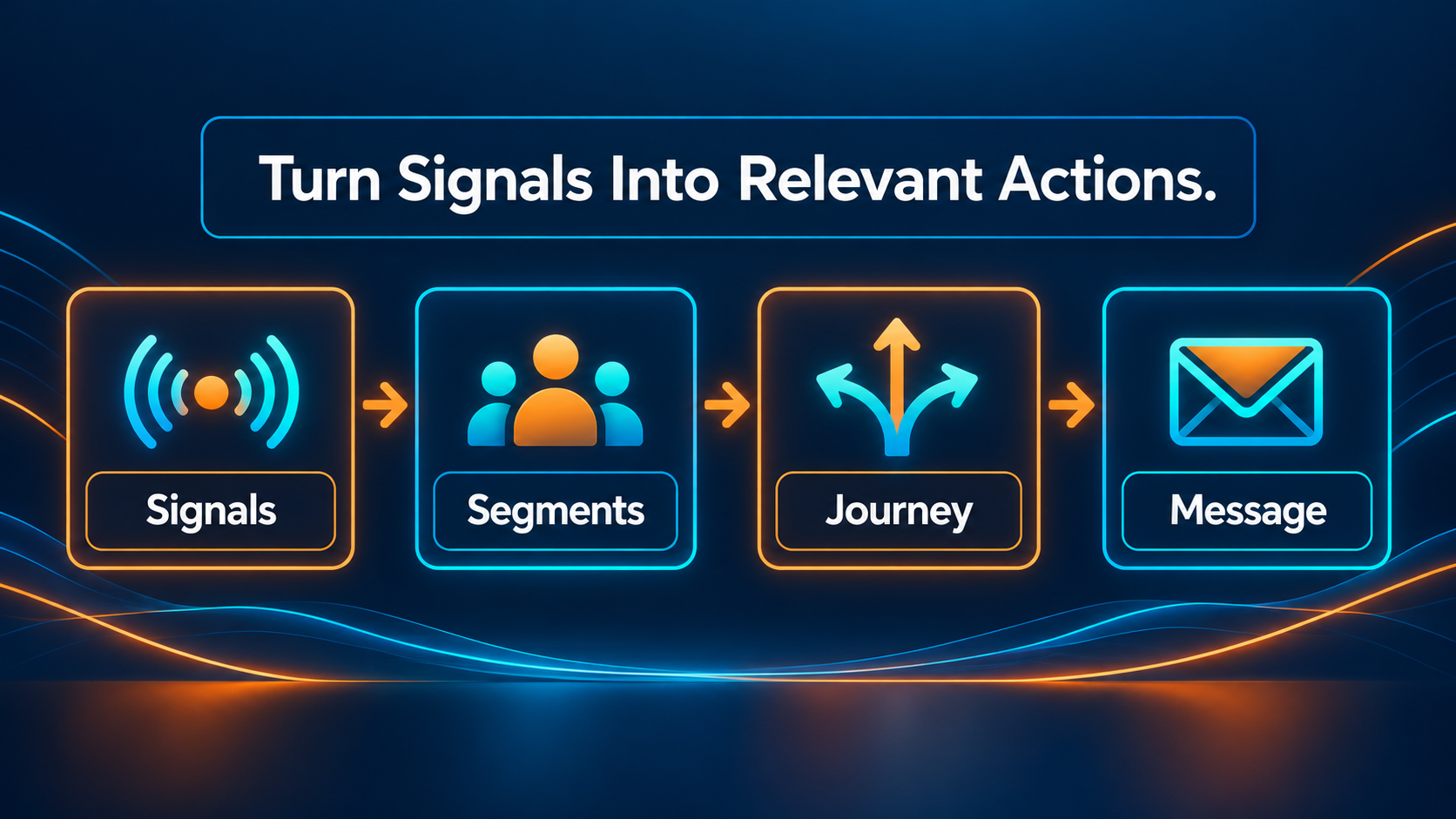
User attributes describe a customer’s current state, such as language or membership tier. Events record actions such as registration, setup completion, or purchase. Define the name, time, and source of each data point so you can build reliable segments.
You can bring data in through software development kits (SDKs) and application programming interfaces (APIs), among other methods. Cloud data imports can run on a schedule or as needed. Actual latency depends on how each source is integrated.
Confirm how the system identifies anonymous visitors and signed-in members. Duplicate profiles or incorrectly merged identities can send even a well-written message to the wrong person.
3. How Do Canvas and Cross-Channel Journeys Work?
Canvas is the Braze tool for building multi-step journeys with wait steps, conditional branches, and messages. Set the entry, exit, and re-entry rules before choosing the content and channels.
Email works for detailed instructions. Push notifications can deliver brief reminders, and in-app messages can guide users while they use the product. Choose channels based on the task and the customer’s eligibility for each one.
Meeting segment criteria alone does not guarantee delivery. Check channel subscriptions, device permissions, valid contact details, and frequency limits. Stop reminders for customers who have already completed the task.
Personalize messages by language, product usage, or preference. Plan fallback copy or rules to pause sending when data is missing or an external source is unavailable.
4. Example: Onboarding New Subscribers
Suppose a subscription business finds that many new users stall at a required setup step. Everyone receives the same welcome email. Users who finished setup find it repetitive, while those who are stuck need more specific help.
The team can verify the setup event and identity data before building a Canvas journey. Send guidance based on completion status, wait, and check again. Users who finish leave the reminder flow, and those who need help get a way to reach support.
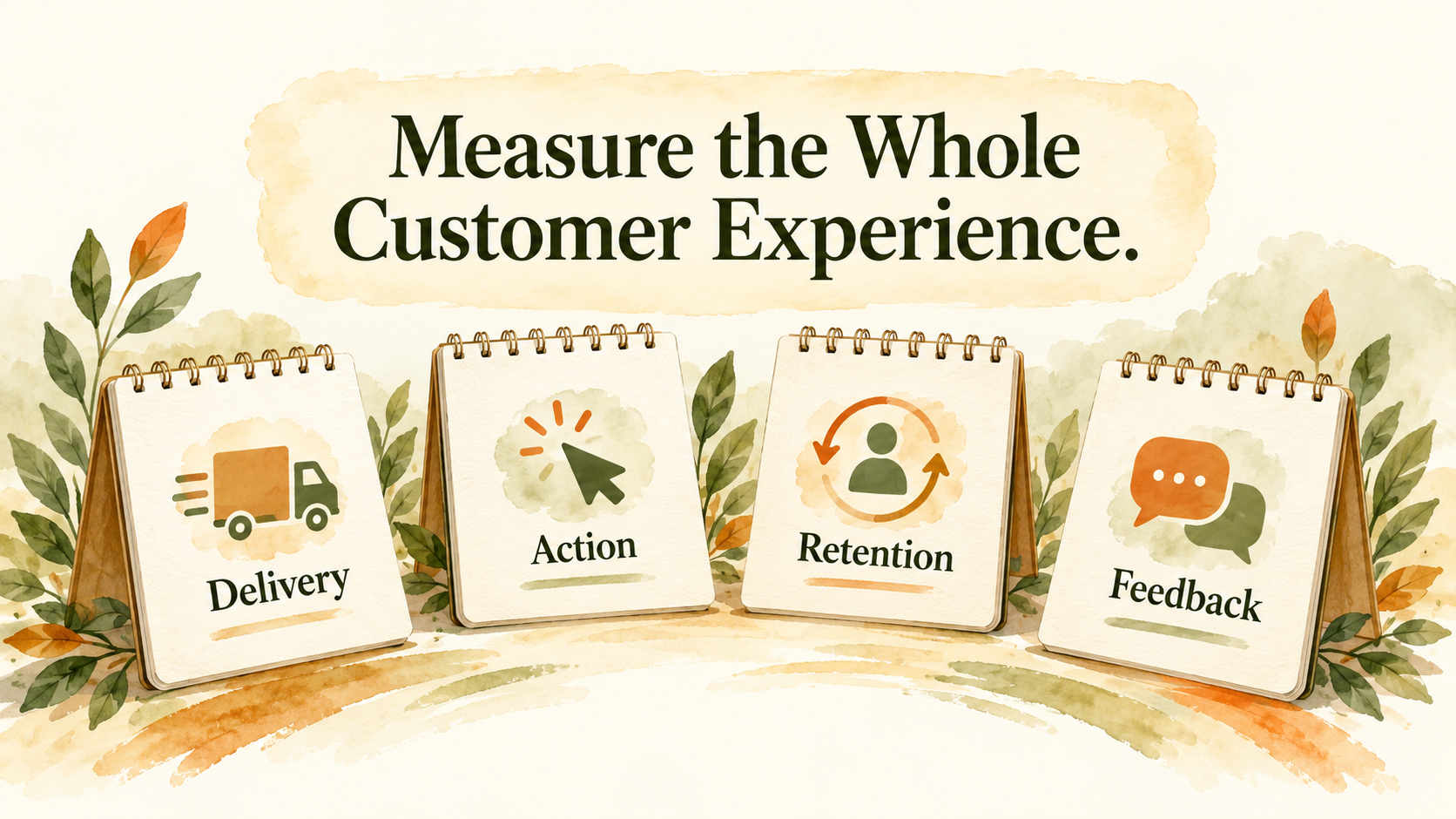
The business can track when data arrives, whether messages are delivered, whether users finish setup and return, and how often they unsubscribe or share feedback. This hypothetical scenario tests the workflow and its value to customers without assuming a specific lift.
5. How Do You Measure Customer Engagement?
Check data quality, audience selection, and delivery before assessing whether a message prompted the intended action. Send volume and open rates alone can miss workflow errors and what customers actually do in the product.
Some conversions credited to a message in a report would have happened without it. Where practical, run a controlled test. Define the goal, test period, and evaluation criteria in advance, and monitor unsubscribes and negative feedback.
6. Six Steps Before Implementation
- Choose one customer task and define the event that marks completion.
- Verify user identity, required attributes, and data latency.
- Define when customers enter, exit, and re-enter the journey.
- Check channel subscriptions, device eligibility, and contact limits.
- Test missing content, duplicate events, and how the workflow stops if something goes wrong.
- Assign an operations owner and plan how to measure and review results regularly.
7. Frequently Asked Questions
Is Braze Marketing Automation only for companies with an app?
No. Evaluate integration options based on your website, data sources, and channel needs. An app is one factor.
Does a real-time platform eliminate data latency?
No. Source systems, data transfer, and synchronization all affect timing. Test latency against the needs of each journey.
How do Canvas and Campaign differ?
Canvas supports multi-step journeys. A Campaign is suited to a single-step messaging initiative and can use one or more channels.
Does a live journey still need maintenance?
Yes. Events, content, eligibility rules, and product requirements can change. Monitor, test, and maintain the journey over time.
8. Conclusion
Braze Marketing Automation works best when data, journeys, and content work together. Build and validate one customer journey first, then expand based on the results so your team can sustain the program.

If you’re planning how to integrate data and build journeys in Braze, LeadsTech can help you define the implementation scope, testing, and team handoff.

9. Further Reading
- Global CRM Systems: Manage the Customer Lifecycle with Salesforce
See what it takes to connect data and customer interactions across departments throughout the customer lifecycle. - How to Choose a CRM System and Consulting Partner
Review the requirements, delivery expectations, and long-term operational needs to consider when choosing a CRM and consulting partner.
Related Articles
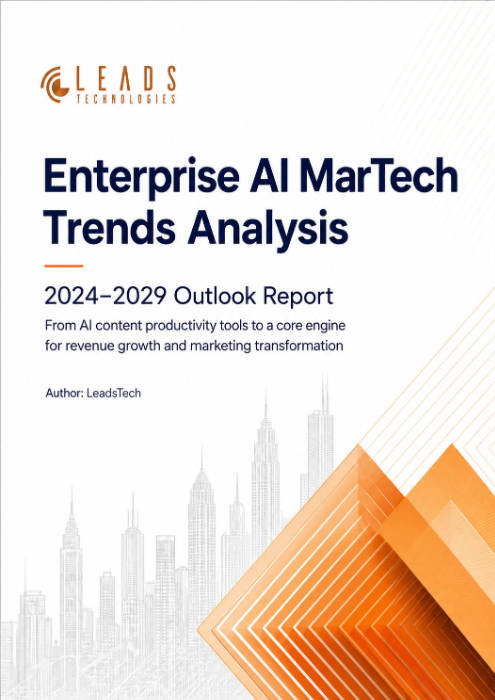
Enterprise AI MarTech Trends Analysis 2024-2029 Outlook Report
From AI content productivity tools to a core engine for revenue growth and marketing transformation
*The PDF will be sent directly to your inbox.
Email Error
Please enter a valid email address.
Thank You!
The whitepaper has been sent to your inbox. If you don’t see it, please check your spam or promotions folder.