
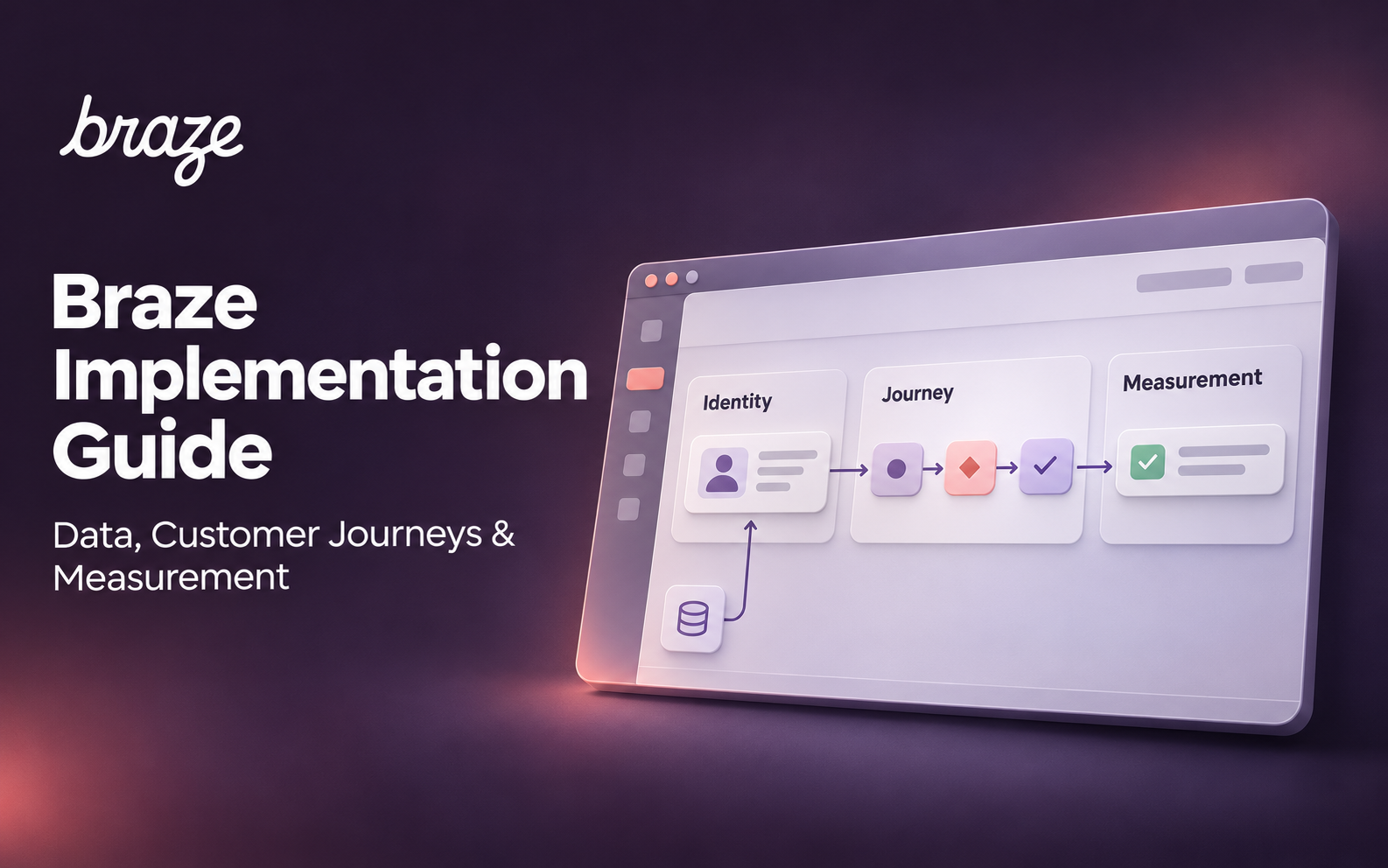
Braze Implementation Guide: Data, Customer Journeys, and Measurement
Braze, Marketing Automation
24 November 2026
When implementing Braze, the first challenge is often to confirm that the data can support a workflow before designing it. Inconsistent customer identities or different definitions of completion can send reminders to the wrong people. This guide covers the data, customer journey, and measurement preparations worth completing before launch.
1. Key Takeaways (TL;DR)
- Start a Braze implementation with one high-value journey and document its success criteria, data requirements, and acceptance tests.
- Check customer identification, event definitions, and subscription preferences together. Connecting data does not mean messages will work correctly.
- Before expanding the rollout, test exceptions, establish performance baselines, and complete the operational handoff so the team can continue improving.
2. Define the Outcomes for Your Initial Braze Implementation
A customer journey is the sequence of interactions a customer goes through to achieve a goal, such as a new member moving from registration to first use. For the initial phase, choose a use case with a clear problem, accessible data, and an assigned owner.
LeadsTech provides Braze implementation planning and data integration services. Begin your assessment by identifying the customer behaviors you want to improve, existing obstacles, and the departments responsible, then decide which data to connect.
Success criteria should be testable. For example, “stop reminders after setup is complete” is more specific than “improve personalization” and helps marketing and engineering align.
3. Data Integration: Align Customer Identities and Event Definitions
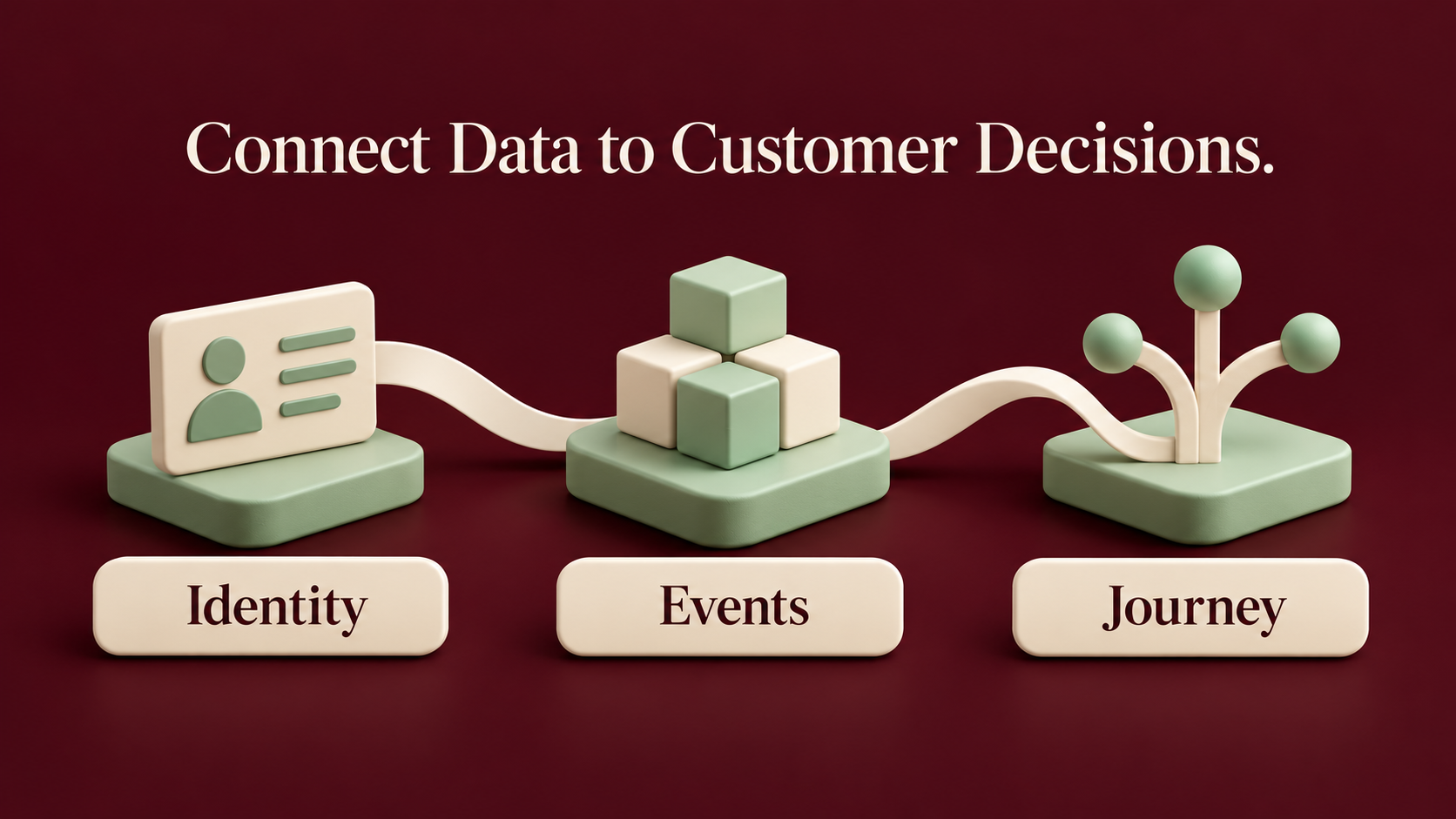
Confirm Who the Data Belongs To
Your website, app, and membership system should use a consistent identification approach. Test how an anonymous visitor is linked to a member after login and how customers are recognized across devices. Do not assume that matching email addresses will automatically merge profiles.
Confirm When an Event Counts as Complete
Document which system records “setup complete,” which fields it includes, and how long the event takes to reach Braze. A software development kit (SDK) is a set of development tools embedded in a website or app; an application programming interface (API) lets systems exchange data.
If you synchronize data from a warehouse, also confirm scheduled or on-demand update behavior. Decide whether the journey should wait, skip a step, or use another condition when data arrives late, rather than leaving that decision until launch.
4. Journey Design: Plan Exit and Exception Conditions
Canvas is Braze’s tool for orchestrating multistep interactions. Define entry criteria, wait times, branches, exit conditions, and reentry rules for every journey to avoid sending multiple rounds of reminders to the same member at once.
Channel readiness involves more than counting contacts. Having an email address, device push permission, or eligibility for a subscription group are different conditions. Unsubscribes and preference changes should affect subsequent messages.
Prepare readable fallback content when dynamic messages lack a name, language, or product data. Where necessary, stop the message so customers do not receive empty fields.
5. Performance Measurement: Define the Denominator and Observation Period
Track meaningful business actions, such as activation, alongside sends and clicks. Agree on the population, event source, observation period, and exclusions, then reconcile the same test data with backend records.
A platform attributing conversions to a journey does not mean the journey generated an equivalent incremental impact. To assess additional effects, plan an appropriate control group and also monitor unsubscribes, complaints, and customer service workload.
6. Example: Reminders Continue After Setup Is Complete
Suppose a membership service counts saving a form on its website as completion, while its app requires verification. The data is out of sync, members keep receiving reminders, and customer service cannot quickly identify the cause.
The team can first standardize the completion event and send it from a reliable source. Then use test accounts to check cross-device login, event delays, and unsubscribing midway through a journey. Start with a limited pilot and expand only after acceptance tests pass.
Record the rate of incorrect reminders, event latency, successful exits, and setup completion. Keep a prelaunch baseline rather than declaring success based on send volume alone.
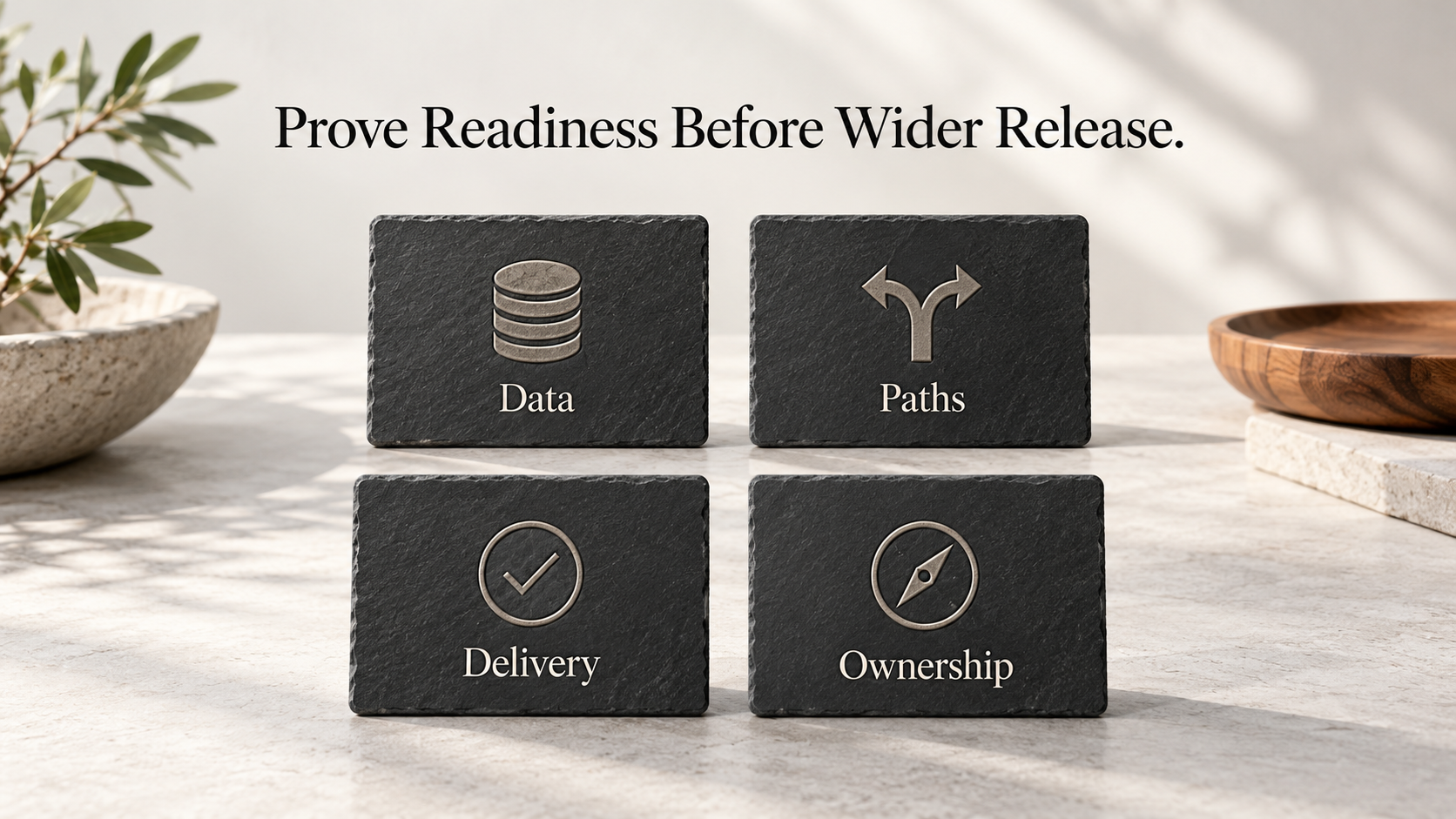
7. Eight Checks Before Launch
- Document the first journey’s audience, business goal, and scope.
- Confirm the customer identification approach and anonymous-to-member test results.
- Complete the list of event names, fields, sources, timeliness requirements, and owners.
- Validate channel eligibility, subscription preferences, and unsubscribe synchronization.
- Test missing data, duplicate triggers, goal completion, and stopping reminders.
- Reconcile report denominators, observation periods, and backend event counts.
- Plan a limited rollout, monitoring thresholds, and procedures for pausing.
- Deliver operating documentation, an access permissions list, training, and a support contact.
8. Frequently Asked Questions
Do we need to integrate all data at once when implementing Braze?
No. First ensure that the identities, events, preferences, and measurement data needed for the initial journey are reliable, then expand gradually based on value.
Can we launch as soon as the Canvas preview passes?
Not yet. Preview has a supported scope and may skip unsupported steps. You still need to validate actual data ingestion, channel eligibility, and test messages.
Does engineering have to lead the implementation?
Responsibility should be shared. Marketing defines goals and content, engineering and data teams confirm integration, and operations handles acceptance testing and ongoing maintenance.
How long does it take to see results?
That depends on data readiness, journey length, and sample size. Agree on acceptance criteria and observation periods first, rather than treating a fixed launch date as a guarantee of results.
9. Conclusion
A Braze implementation needs consistent definitions across data, journeys, and performance measurement. Starting with one workflow that can be tested and handed over usually makes it easier to identify worthwhile investments for the next phase.

LeadsTech can help clarify implementation scope and data dependencies. Bring an overview of your current systems, first journey, and obstacles so we can discuss a practical preparation sequence.

10. Further Reading
- Global CRM Systems: Manage the Customer Lifecycle with Salesforce
Use the customer lifecycle to understand integration needs across departmental data and interaction workflows. - How to Choose a CRM System and Consulting Partner: A Business Guide
Explore requirements, deliverables, and long-term operations when choosing systems and consulting partners.
Related Articles
Enterprise AI MarTech Trends Analysis 2024-2029 Outlook Report
From AI content productivity tools to a core engine for revenue growth and marketing transformation
*The PDF will be sent directly to your inbox.
Email Error
Please enter a valid email address.
Thank You!
The whitepaper has been sent to your inbox. If you don’t see it, please check your spam or promotions folder.