
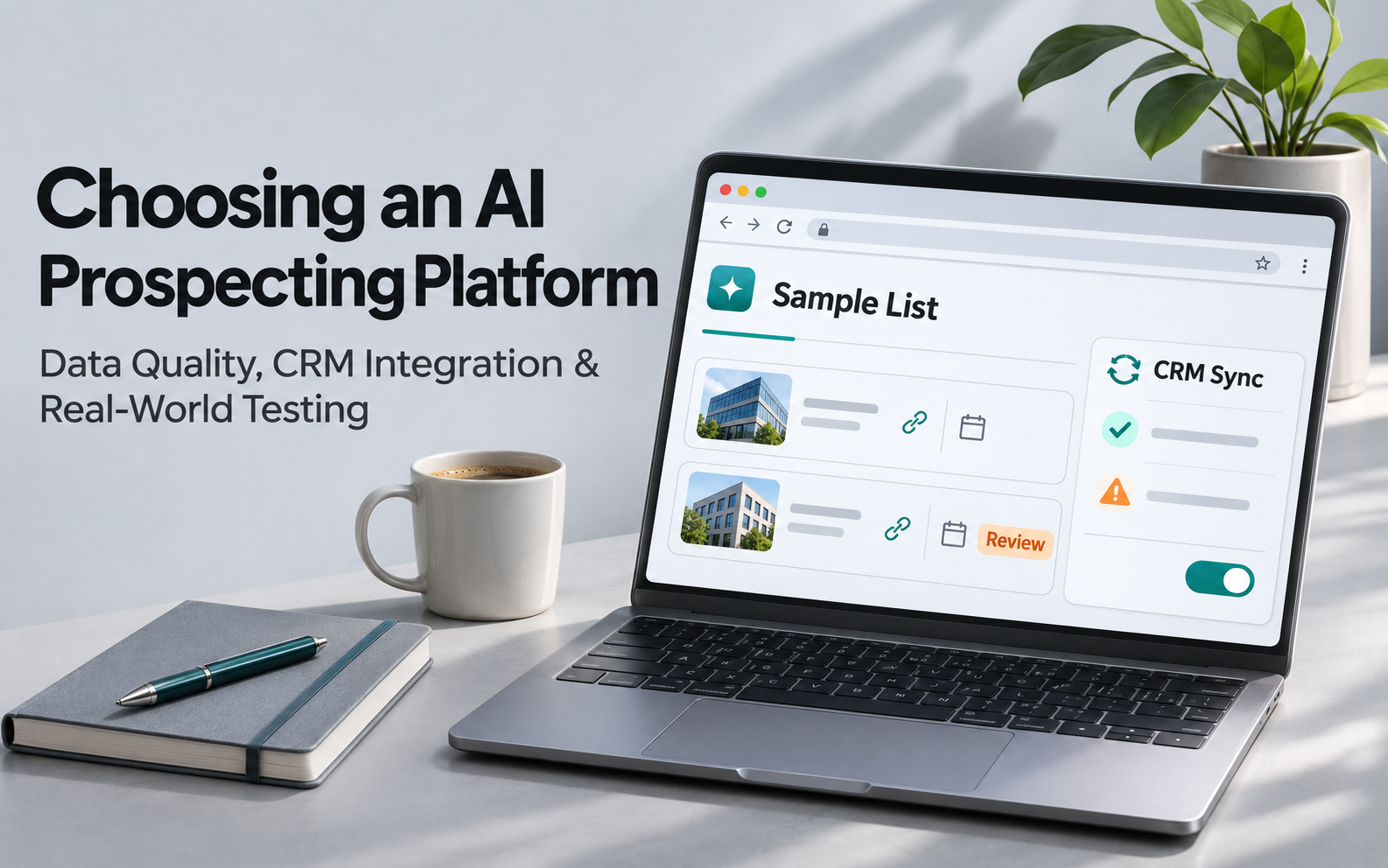
How to Choose AI Lead Generation Tools: Data, Features, and CRM Integration
AI, B2B Marketing, Lead Generation, Pubrio Lead Generation Platform
23 November 2026
A platform demo may look seamless, but everyday use can reveal inaccurate data, duplicate leads, or failed synchronization. When choosing AI lead generation tools, first check whether they can handle your business’s daily tasks. This guide covers data, features, CRM integration, and costs, with methods you can use in a pilot and acceptance testing.
1. Key Takeaways (TL;DR)
Test AI lead generation tools against your actual target markets and workflows rather than comparing lead counts alone. Reliable data needs identifiable sources, sufficient freshness, and verifiable key fields. Integration should cover duplicate records, ownership, and failures. Include manual maintenance and exit costs in your assessment.
2. What Problem Should AI Lead Generation Tools Solve First?
Artificial intelligence (AI) can support prospecting, but different tools may focus on company searches, data enrichment, research summaries, or follow-up. Identify the step that currently takes the most time so you can evaluate the capabilities that matter.
For example, businesses researching companies in new markets can include the Pubrio prospecting platform in their evaluation. LeadsTech can help define research criteria and integration workflows. Validate the fit with your own samples rather than deciding based on feature names alone.
If you already have enough data but no sales representative takes ownership, clarify responsibilities first. Adding another platform may not resolve that bottleneck.
3. First Check: Is the Data Usable?
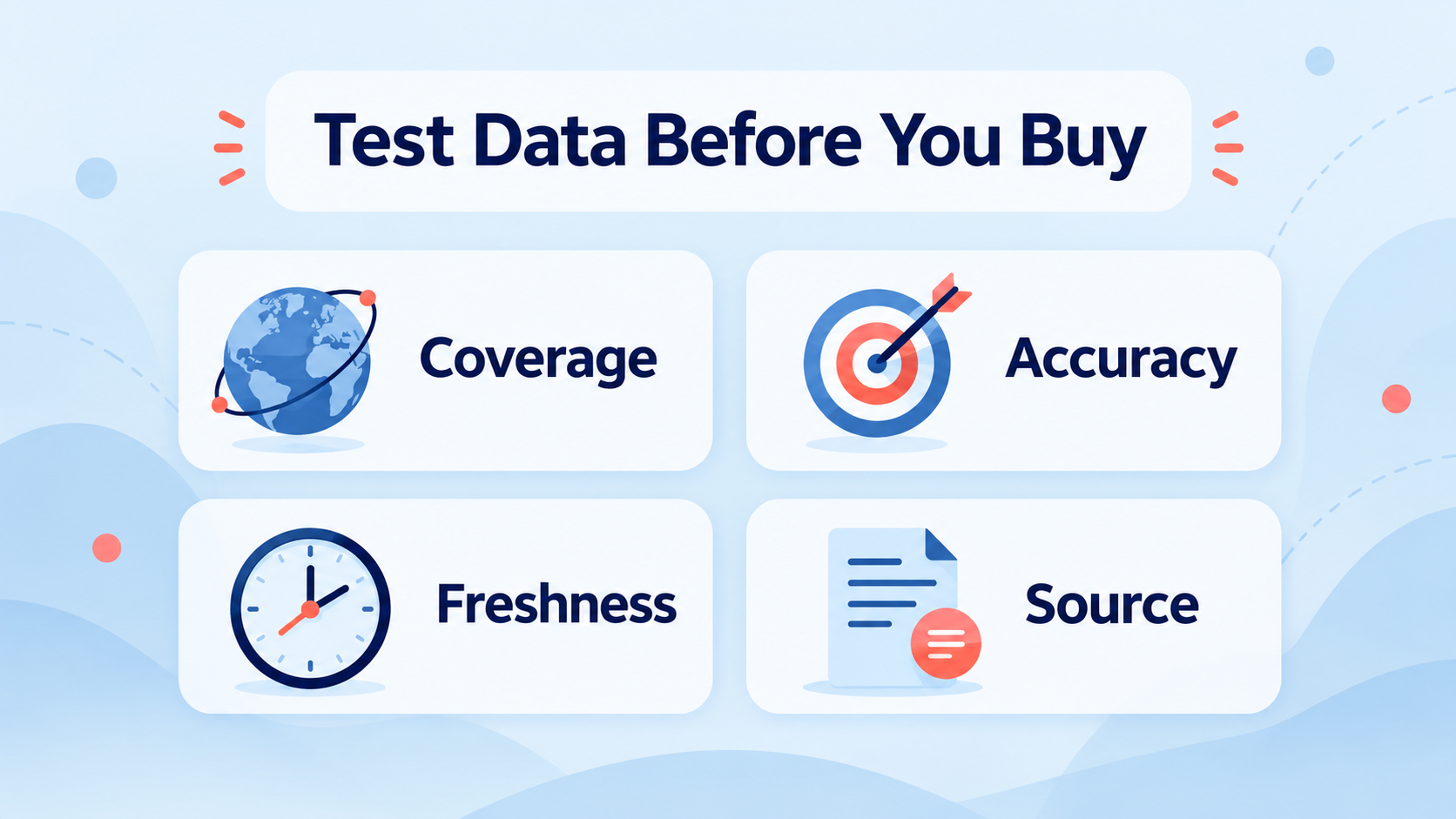
Test each platform using the same industry, location, company size, and job role criteria. Assess coverage, accuracy, update dates, and sources separately. A large global database does not guarantee sufficient information about your target markets and roles.
Include similarly named companies, subsidiaries in different regions, and incomplete records in your samples. Check whether the platform acknowledges unknown information or merges unrelated data. Research summaries should also trace back to verifiable facts.
Record the proportion of results that meet your criteria, missing key fields, and time spent on manual corrections. These findings reflect everyday use more closely than a polished sample list from a vendor.
4. Second Check: Does CRM Integration Complete the Handoff?
A customer relationship management (CRM) system stores company, contact, and opportunity records. “Integration support” may mean file exports or include two-way updates. Verify each capability individually.
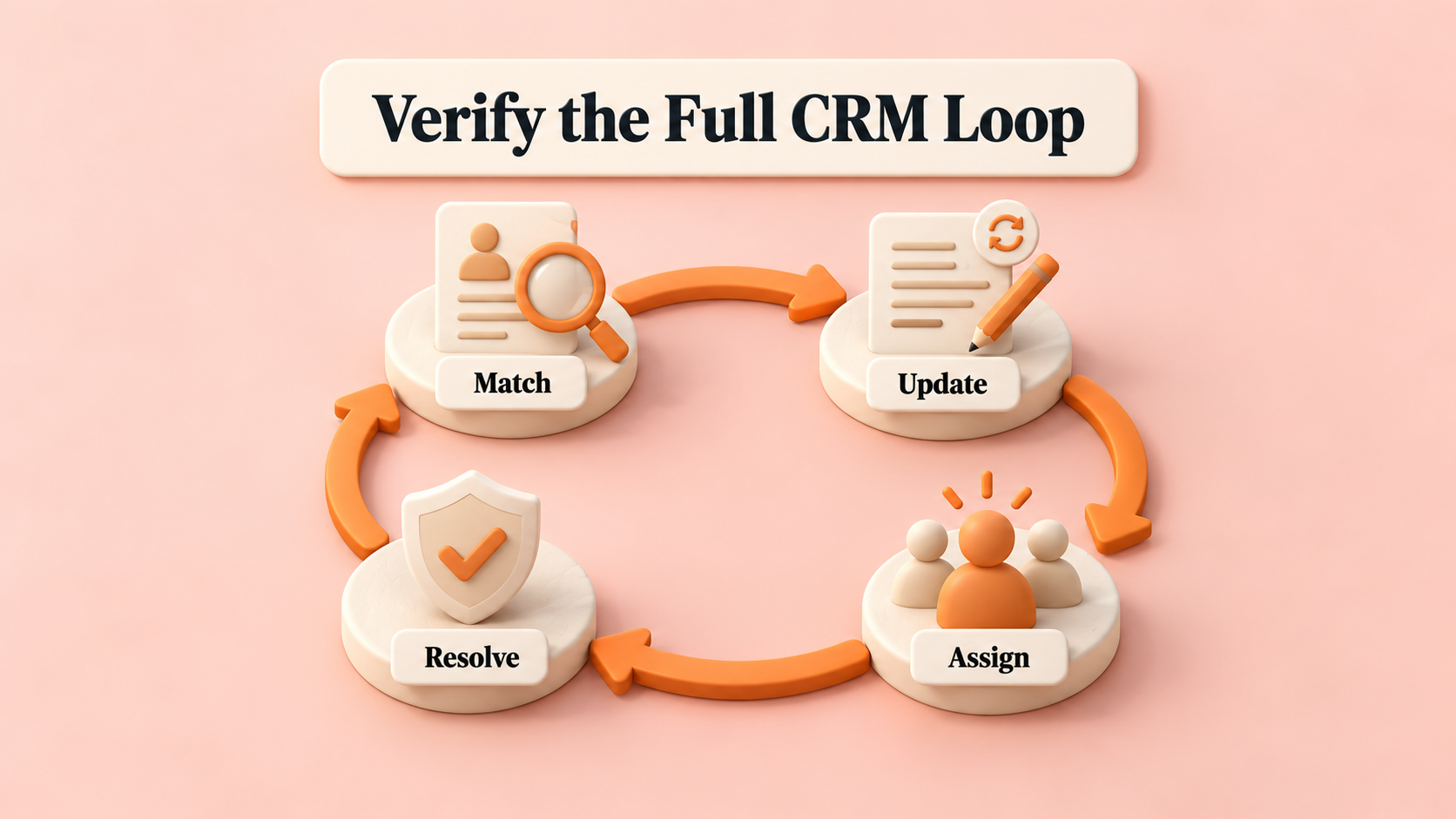
Test adding companies, matching existing records, updating fields, and assigning owners. Incoming data should not accidentally overwrite existing opportunities, do-not-contact preferences, or important notes entered by staff.
Also test who receives notifications when synchronization fails, whether it can be retried, and whether retries create duplicates. A usable integration should make the next action clear to sales representatives.
5. Third Check: Can You Control Automation and Costs?
Check whether messages can be reviewed before sending, workflows can be paused, and replies can be handed to a person. Apply consistent exclusion rules for people who have opted out or are already in active discussions.
Beyond user seats, charges may cover searches, enrichment, exports, or AI actions. Ask vendors to explain pricing using your expected workload and clarify how failures, retries, and repeated actions are charged.
Include integration, training, and routine correction time. Before purchasing, confirm whether you can export the necessary data, retain records, and disconnect systems when you stop using the platform.
6. Example: A Service Provider Choosing a Platform for New Markets
Suppose a business is expanding into new markets and already holds years of customer data. Importing large volumes of new leads could result in duplicate outreach and more time spent cleaning records.
Select a representative sample of companies and ask each platform to research, match, and hand off records under the same conditions. Have marketing review the recommendation rationale, sales assess whether prospects are ready for follow-up, and system administrators check synchronization and exceptions.
Compare usable data, manual correction time, duplicates, and relevant responses from follow-up before expanding the rollout. This is a hypothetical example; lead volume during a demo does not predict sales results.
7. Five Steps for a Platform Selection Pilot
- Write down the task you want to improve and the markets the platform must support.
- Prepare identical samples, including exceptions such as incomplete and duplicate records.
- Check research sources, recommendation rationale, and manual correction work.
- Test CRM record creation, updates, ownership assignment, and failure handling.
- Compare total costs with acceptance testing results before deciding what to purchase.
Record roadmap features separately from capabilities that are currently available. Document the pilot’s limitations so you can track whether the platform delivers real improvements over time.
8. Frequently Asked Questions
Is an AI lead generation tool with more data always a better purchase?
No. Usability in your target markets, accuracy, and maintenance costs are more useful selection criteria than total volume.
Does a CRM connector remove the need for integration work?
No. You still need to check objects, fields, synchronization direction, and exception handling. Some workflows may require additional configuration.
Does a pilot have to include automated messaging?
No. You can validate research and handoff quality first, then assess outbound communication once the workflow is reliable.
Can we compare monthly subscription fees alone?
That would be incomplete. Data usage, integration, manual review, and exit arrangements also affect total costs.
9. Conclusion
Choose AI lead generation tools based on usable data and workflows they can complete. Start with a limited pilot to make a better-informed purchasing decision.

To assess how a platform will work with your existing CRM, talk with LeadsTech about pilot samples, integration scope, and acceptance criteria.

10. Further Reading
- B2B Website Marketing Strategy: From Content to Lead Conversion
Learn how content, websites, and sales can work together to generate business opportunities. - CRM for Global B2B Businesses: A Salesforce Implementation Guide
Plan the integration of leads, customer data, and sales workflows across teams.
Related Articles
Enterprise AI MarTech Trends Analysis 2024-2029 Outlook Report
From AI content productivity tools to a core engine for revenue growth and marketing transformation
*The PDF will be sent directly to your inbox.
Email Error
Please enter a valid email address.
Thank You!
The whitepaper has been sent to your inbox. If you don’t see it, please check your spam or promotions folder.