
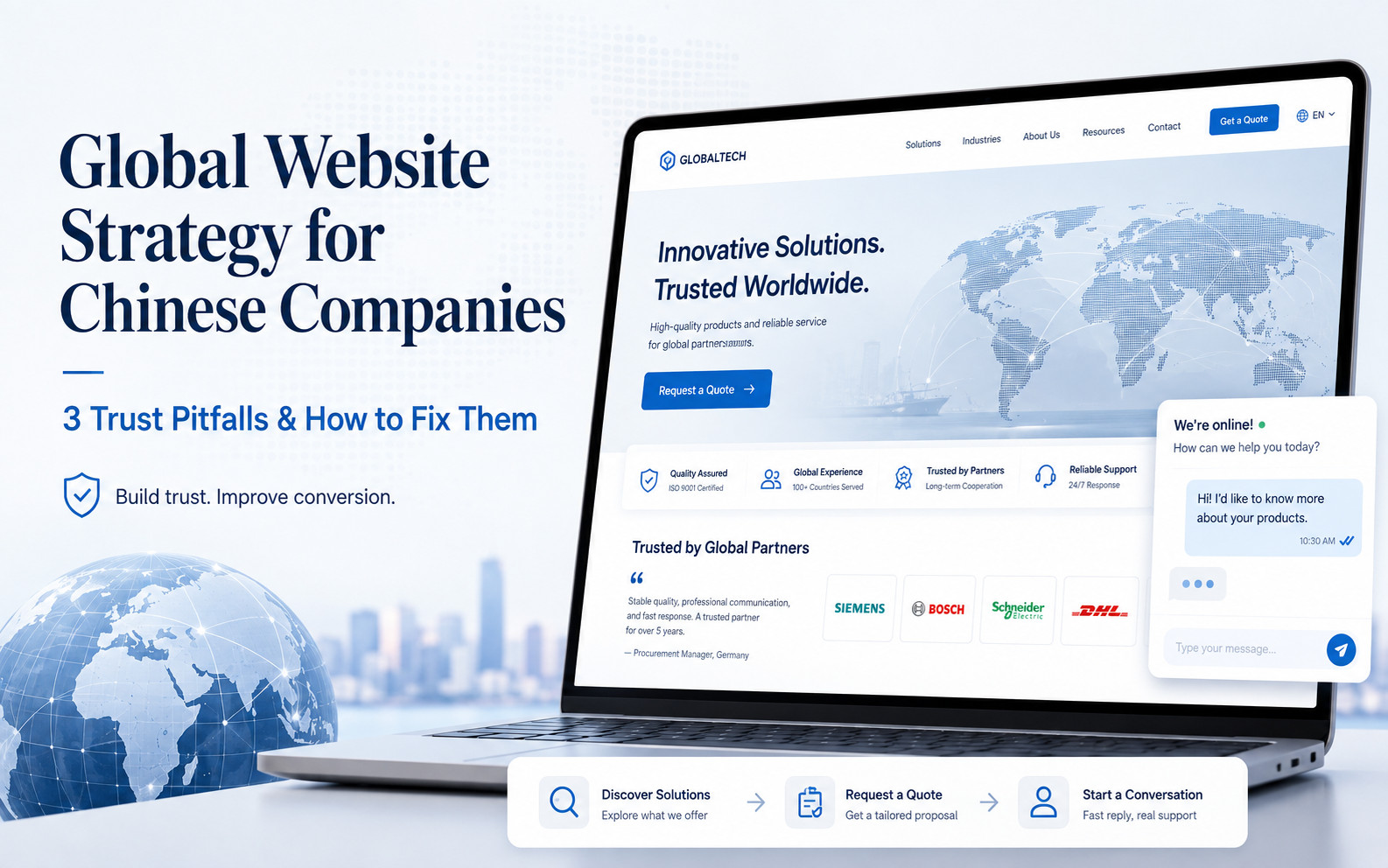
Global Website Strategy for Chinese Enterprises: 3 Trust-Building Mistakes to Avoid
AEM Sites, B2B Marketing, Content Management System (CMS)
14 August 2026
- Introduction: Why Overseas Customers Do Not Readily Trust an Unfamiliar Brand
- Mistake 1: Copying Domestic Promotional Pages Directly to Overseas Markets
- Mistake 2: Substituting Brand Slogans for Credible Evidence
- Mistake 3: Customers Want to Connect but Cannot See the Value of the Next Step
- Turning Trust from a Website Update into a Long-Term Operating Capability
- How LeadsTech Helps Enterprises Build Trustworthy Global Websites
- Conclusion
- Introduction: Why Overseas Customers Do Not Readily Trust an Unfamiliar Brand
- Mistake 1: Copying Domestic Promotional Pages Directly to Overseas Markets
- Mistake 2: Substituting Brand Slogans for Credible Evidence
- Mistake 3: Customers Want to Connect but Cannot See the Value of the Next Step
- Turning Trust from a Website Update into a Long-Term Operating Capability
- How LeadsTech Helps Enterprises Build Trustworthy Global Websites
- Conclusion
Summary
This article examines three issues that most often undermine customer trust when Chinese enterprises build websites for global markets: pages that focus only on “who we are,” content that lacks verifiable evidence, and weak response processes after an inquiry. It offers a practical framework for determining whether a website truly helps overseas customers understand the offering, reduce purchasing risk, and feel confident taking the next step.
1. Introduction: Why Overseas Customers Do Not Readily Trust an Unfamiliar Brand
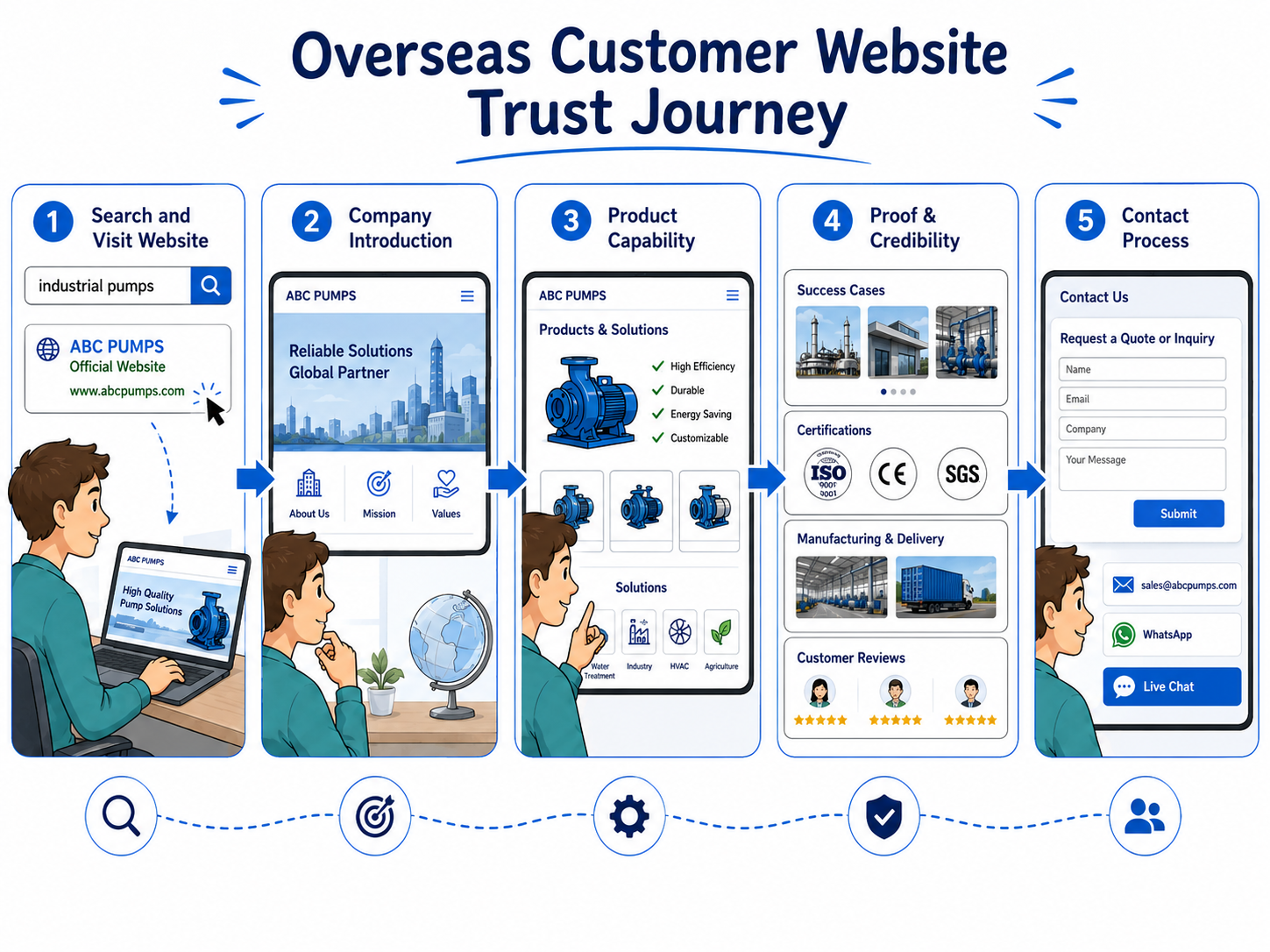
Many Chinese enterprises invest heavily in visual design and product pages when building global websites, yet overlook the questions overseas customers actually ask on their first visit: Does this company understand my industry? Can it deliver consistently? Does it have public, verifiable experience? If I reach out, will I receive a timely and professional response?
Building an international business website is often treated as a matter of “translating the site into English, showcasing products, and adding an inquiry form.” Those steps make information available, but they do not prove that the company is trustworthy. Google recommends creating helpful, reliable, people-first content and strengthening credibility with clear sourcing, author backgrounds, or demonstrated expertise—not writing solely to manipulate search rankings.
For an AEM-powered global website that must support multiple countries, languages, and regional teams, customer trust does not emerge automatically from a single page or CMS feature. It is built through a combination of supporting evidence, page experience, regional relevance, data analysis, and sales responsiveness.
2. Mistake 1: Copying Domestic Promotional Pages Directly to Overseas Markets
The first common mistake is filling the homepage with company size, executive messages, corporate history, and claims such as “industry-leading,” while failing to answer customers’ most practical questions within the first few sections: What problem can you help me solve? Which applications are a good fit? What verifiable advantages do you offer over other suppliers?
When overseas customers encounter a Chinese brand for the first time, they usually have little prior familiarity and are unlikely to trust self-promotional claims such as “a company of exceptional strength.” The page should first help them assess product fit, delivery capabilities, and the credibility of the evidence—not ask them to accept the company’s introduction at face value.
An effective global business website should prioritize the following improvements:
Make the Hero Message Specific
Replace vague slogans with concrete product capabilities, target industries, or customer problems.
Answer Purchasing Questions on Product Pages
Add use cases, certifications, lead times, customization options, service models, and frequently asked questions.
Make Regional Pages Locally Relevant
Show market-appropriate case studies, contact details, delivery information, and industry content.
Use Visuals to Support the Reading Flow
Reduce large decorative images so customers can find evidence, specifications, and calls to action faster.
Overseas customers do not necessarily need an elaborate website. They need an information structure that is easy to verify, simple to compare, and logically organized.
3. Mistake 2: Substituting Brand Slogans for Credible Evidence
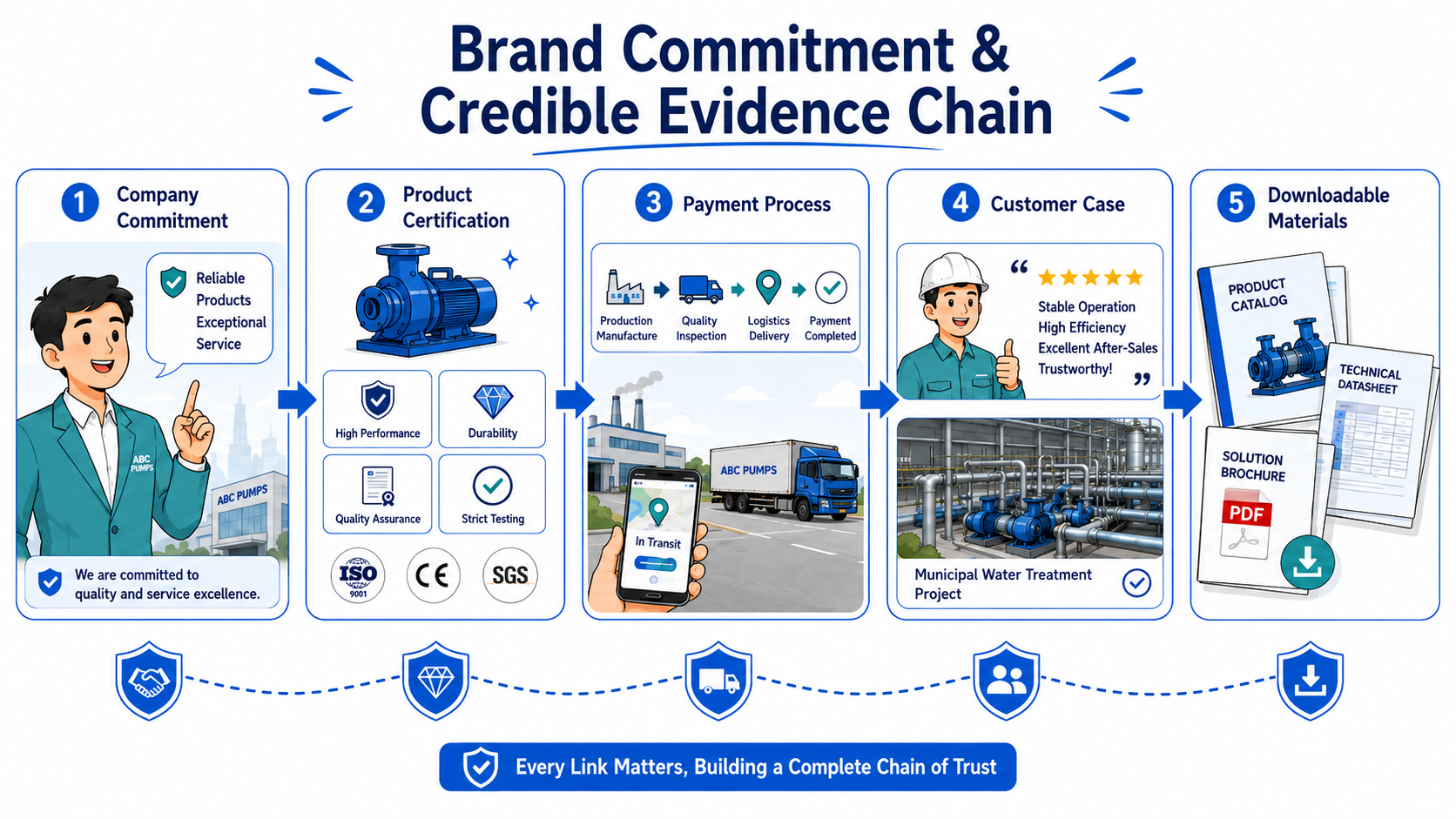
The second mistake is repeating phrases such as “high quality,” “international standards,” and “professional service” across the site without supplying evidence to support them. If a global website emphasizes only brand ideals, customers still have no way to determine whether those promises are true.
A more persuasive approach is to support every important claim with appropriate evidence:

Emphasize Product Quality
Show testing methods, certifications, quality control processes, or key specifications.

Emphasize Industry Experience
Show the customer’s industry, project challenge, solution, and delivery outcomes.

Emphasize Global Service Capabilities
Explain geographic coverage, service languages, response processes, and engagement models.

Emphasize Technical Expertise
Provide technical white papers, specification sheets, demonstration videos, or expert content.
This content does not need to exaggerate, but it must withstand scrutiny. Customer case studies should also go beyond a collection of logos. A stronger case study explains the customer’s challenge, what the company did, and the resulting business or operational value.
Evidence-based content can also support long-term search performance. Google recommends continuously maintaining content that provides distinctive value, demonstrates expertise, and genuinely meets user needs, rather than simply repackaging common industry knowledge.
4. Mistake 3: Customers Want to Connect but Cannot See the Value of the Next Step
The third mistake is using “Contact Us” as the website’s only call to action. Even customers who see value in the product may not yet be ready to request a quote. If the site does not offer a low-commitment next step suited to their purchasing stage, they may leave or postpone contacting the company.
Many global website projects focus on getting customers to “submit the form” without giving them a compelling reason to do so. The website should offer different paths for different stages of the buying process:
Early Research Stage
Download a product catalog, get a selection guide, or review industry case studies.
Solution Comparison Stage
Schedule a technical consultation, request specifications, or ask for application guidance.
Purchasing Decision Stage
Request a quote, submit project requirements, or contact the representative for the relevant market.
The post-submission experience also affects trust. Customers should know when to expect a response, who will follow up, and what additional information they may need to provide. For high-value purchases or long sales cycles, the way an inquiry is assigned in the CRM, the response-time commitment, and the follow-up record are often more important than the form itself.
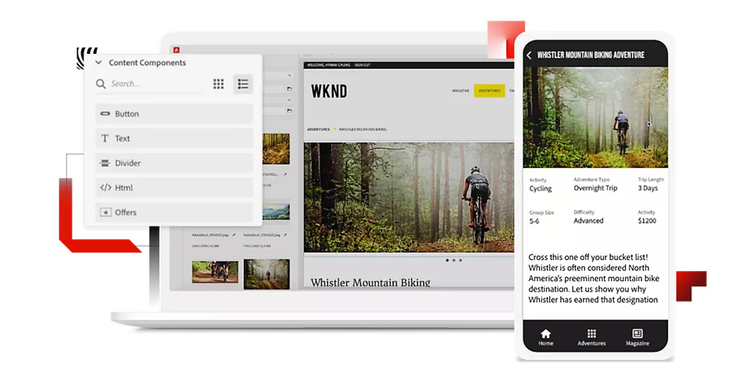
An AEM-powered global website should connect the content experience with downstream lead processes instead of remaining merely a brand showcase. Adobe Experience Manager Sites can use Multi Site Manager, Live Copy, and translation workflows to reuse and localize site content. However, global consistency, local variations, permissions, and publishing processes still need to be configured during implementation according to the market and language architecture.
5. Turning Trust from a Website Update into a Long-Term Operating Capability
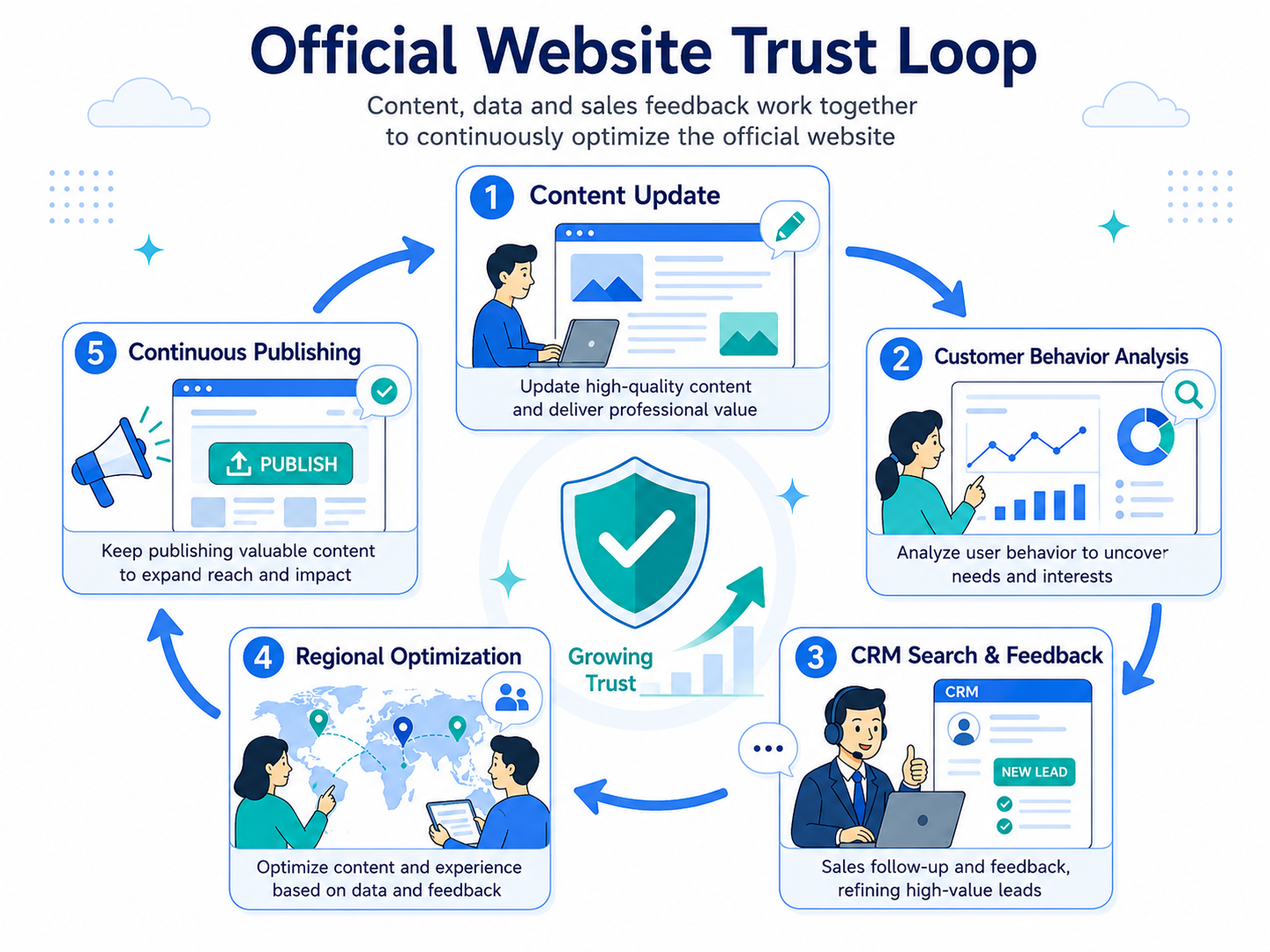
To create lasting value from a global website, enterprises should not discuss trust only during a redesign. Trust must become part of day-to-day operations.
Start by establishing a basic operating framework:
Update Evidence on a Business-Relevant Schedule
Add new case studies, certifications, customer testimonials, project outcomes, and product materials.
Review Critical Pages Regularly
Verify that product, industry, and case study pages, forms, and contact details remain accurate.
Continuously Gather Sales Feedback
Track frequently asked questions, reasons for lost opportunities, and quotation barriers, then use those insights to improve website content.
Manage Content Variations by Market
Have headquarters maintain core brand and product information while regional teams manage local case studies, industry messaging, and CTAs.
For enterprises operating across multiple markets, the value of an AEM-powered global website is not “having more pages.” It comes from reusable components, content governance, permissions, translation, and regional publishing processes that enable each market to consistently deliver information that is both aligned and verifiable.
6. How LeadsTech Helps Enterprises Build Trustworthy Global Websites
LeadsTech helps enterprises turn their websites from simple showcase channels into platforms for brand trust and lead growth. Its capabilities span overseas market positioning, UX/UI design, global business website development, AEM implementation, DAM asset governance, CRM/CDP integration, customer journey analytics, and content operations. LeadsTech’s corporate website services include AEM solutions for organizations with multiple brands, websites, and languages, as well as stringent security requirements and deep CRM/CDP integration. Its broader services also cover UI/UX, CMS, DAM, CRM, CDP, marketing automation, and data analytics.
Teams preparing to upgrade their global websites should begin with three assessments: Can target-market customers understand the core value? Does the product content include credible evidence? Can the sales team respond to inquiries promptly? Once those questions are answered, the team can determine whether it needs a lightweight website platform, an enterprise CMS, or an AEM-based global website architecture.
7. Conclusion
An effective global website strategy for a Chinese enterprise is not simply translating a Chinese website into English or stacking up promotional claims. It helps overseas customers quickly make three judgments: whether the product or solution fits their needs, whether evidence supports the company’s capabilities, and whether the next step is clear and worth their time.
For enterprises planning a new global business website, an international site redesign, or an AEM upgrade, LeadsTech provides integrated services spanning strategy, content, design, CMS implementation, data, and CRM integration. Explore our corporate and multilingual website development services or Adobe AEM solution services, or visit Contact Us to discuss your project requirements.


Related Reading
- Essential Elements of a Global B2B Website: Strengthen International Competitiveness from Structure to Content
A useful guide for refining a global website’s content structure, SEO fundamentals, and long-term operational priorities. - Choosing a Platform for an International Website Redesign or Build: The Complete 2026 Enterprise CMS Guide
A practical resource for evaluating which CMS best supports multilingual, multi-market operations and complex content governance. - How to Evaluate a Global Digital Services Partner: 10 Capabilities for a Strategic Decision
A framework for assessing digital partners across websites, data, CRM, CDP, and long-term service capabilities.
Related Articles
Enterprise AI MarTech Trends Analysis 2024-2029 Outlook Report
From AI content productivity tools to a core engine for revenue growth and marketing transformation
*The PDF will be sent directly to your inbox.
Email Error
Please enter a valid email address.
Thank You!
The whitepaper has been sent to your inbox. If you don’t see it, please check your spam or promotions folder.