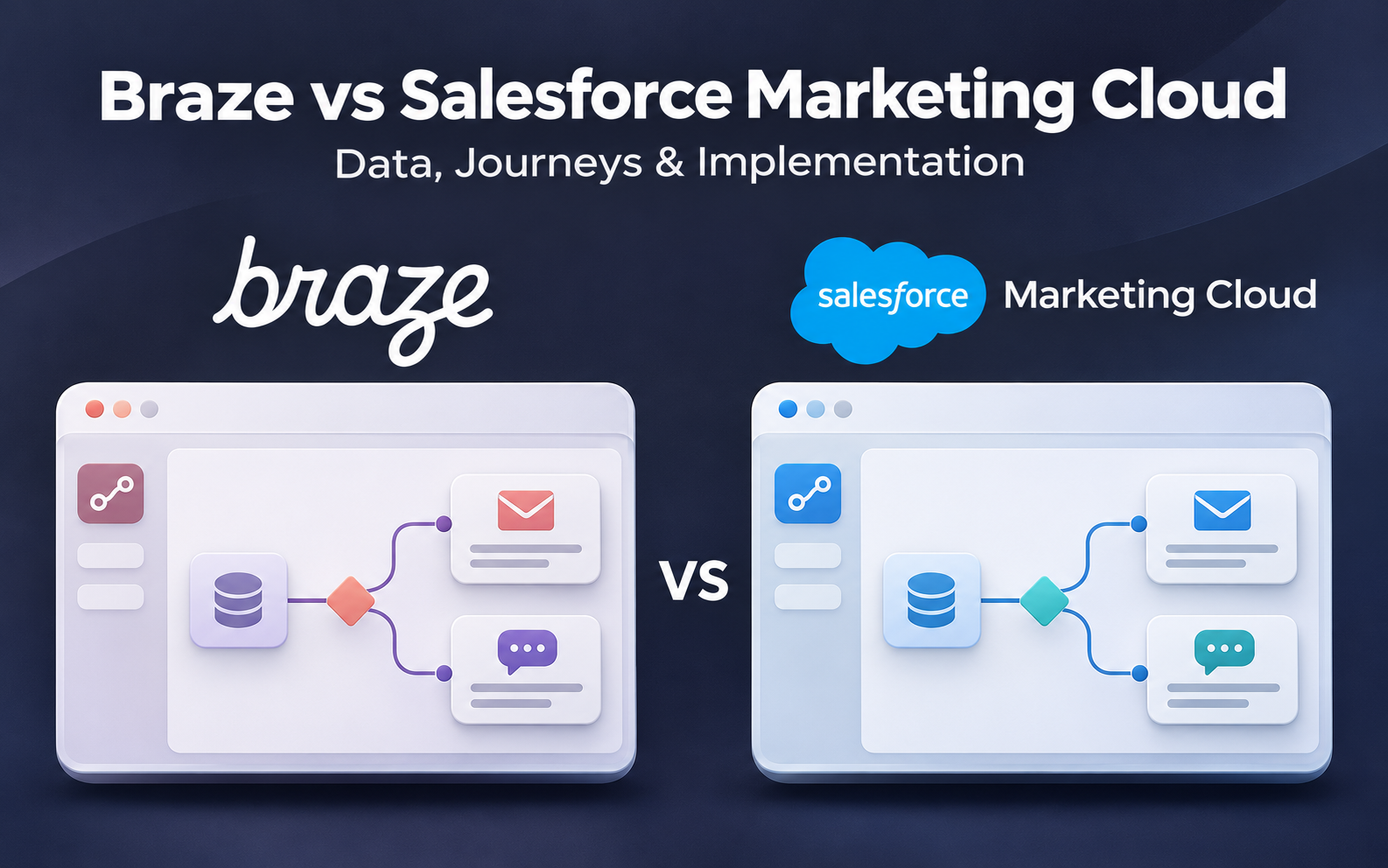
Braze vs Salesforce Marketing Cloud: Data, Journeys & Implementation
AI, Braze, Marketing Automation, MarTech, Salesforce
26 November 2026
How should you choose between Braze and Salesforce Marketing Cloud? A long feature list may not tell you which platform fits your team. Start by defining the products being compared, then use the same customer task to assess data, journeys, and operating costs. This guide outlines the questions worth asking.
Key Takeaways (TL;DR)
- Before comparing Braze with Salesforce Marketing Cloud, identify the exact products and plans so that capabilities from different tools are not combined in one column.
- Measure real-time performance from the customer action through to message delivery, rather than focusing only on how quickly a platform receives an event.
- Test journey automation and AI against the same scenario, and account for data preparation, ongoing team effort, and total cost.
1. Braze vs Salesforce Marketing Cloud: Which Products Are You Comparing?
This article primarily compares Braze with Salesforce Marketing Cloud Engagement. Marketing Cloud Next and Account Engagement have different workflow tools and purposes. If they are included in a proposal, list them separately.
LeadsTech provides Braze implementation planning and marketing journey design services. Businesses can start by reviewing their CRM, or customer relationship management system, and member data sources before discussing how the platform will fit existing workflows.
Ask more than whether a feature exists. Confirm which plan includes it, who will configure it, and what evidence will be required for acceptance.
2. How Do You Compare Real-Time Data and Journeys Fairly?
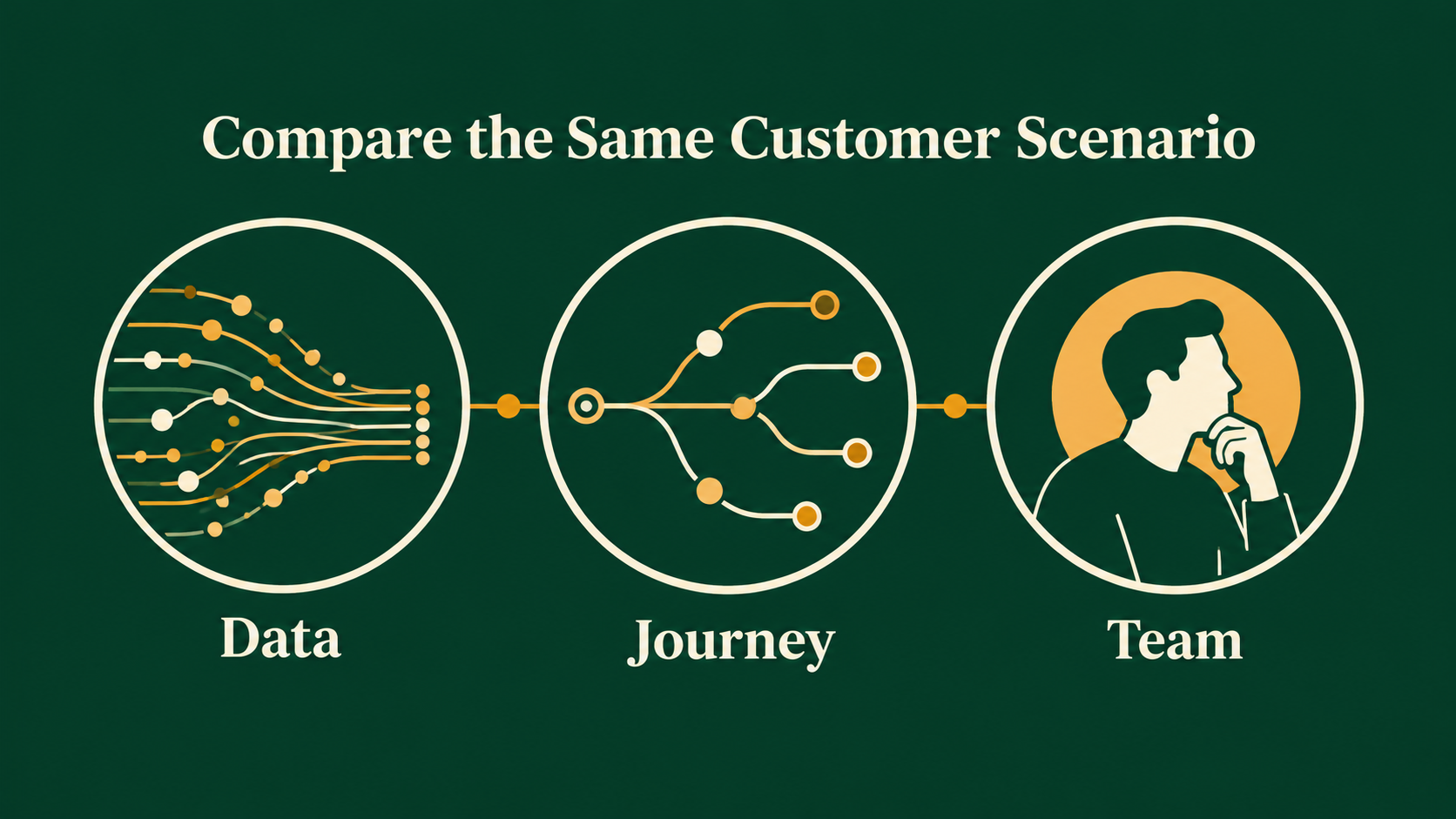
Trace the Entire Data Flow
Braze can receive data from websites, apps, and back-end systems, but data warehouse ingestion may use scheduled or on-demand synchronization. Journey Builder in Marketing Cloud Engagement can also start journeys through API events, so it should not be characterized as a batch-only tool.
An API is an interface that lets systems exchange data. For both platforms, record when the event occurs, when the platform receives it, and when the message is sent to identify where delays arise.
Test the Same Customer Task
Journey automation coordinates a customer's interactions over time. When comparing Braze Canvas with Journey Builder, use a scenario such as a registered user who has not completed setup to test wait steps, branching, exits, and re-entry rules.
For each channel, confirm regional availability, subscription status, costs, and providers. Also test whether subsequent messages respond correctly when a user changes their preferences.
3. Assess AI Personalization and Implementation Beyond the Demo
BrazeAI includes tools for content assistance, contextual reasoning, and learning from outcomes. Salesforce also offers capabilities such as Einstein Send Time Optimization. Compare the data, plans, and approval steps needed for the same task, rather than comparing AI names alone.
If rules can reliably determine a member’s status, start with rules. Before adding AI, establish how the system will fall back to a safe default message when content is incorrect or data is missing.
Implementation complexity depends on identity resolution, data quality, existing systems, and team skills. Having Salesforce data does not make integration automatic, and choosing Braze does not remove the need for data governance.
When scoring options, separate requirements into must-haves, desirable capabilities, and items still to be confirmed. Unsubscribe synchronization, for example, is a must-have that needs to be resolved if it fails testing. An impressive content demo cannot compensate for that gap. Record whether each capability will be maintained internally or supported externally so that additional services are not mistaken for built-in platform capabilities.
4. Hypothetical Scenario: Improving New Customer Activation
Consider a membership platform that already has a sales system but stores website and app registration events separately. New customers receive duplicate reminders, customer service has to explain the messages, and the operations team struggles to identify which journey works.
Use the same set of test accounts to have both platforms handle registration, login, setup completion, and unsubscribe flows. Deliberately introduce delayed events and missing fields.
Measure event-to-message latency, duplicate notification rates, successful exit rates, and the staff time needed to modify journeys. Once a live pilot begins, track activation and unsubscribe rates. A successful demo should not be treated as proof of business results.
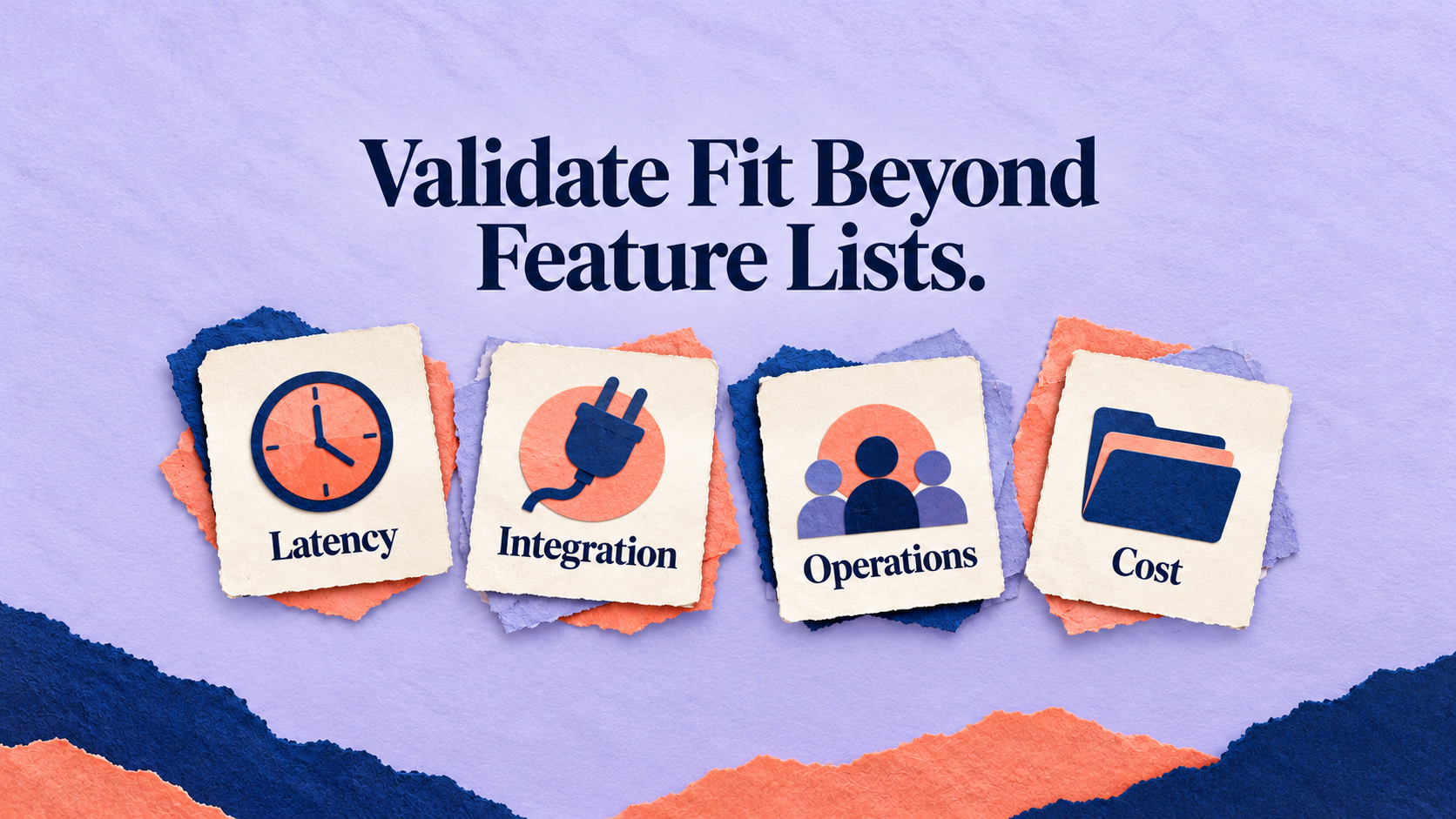
5. Selection Checklist: Gather Evidence on Six Points
- Specify the products, plans, channels, and add-on capabilities being compared.
- Choose one high-value journey and document its entry, exit, and exception conditions.
- Use the same data to test identity resolution, update latency, and unsubscribe synchronization.
- Have the people who will operate the platform make changes, review them, and troubleshoot problems.
- Include licensing, messaging, integration, migration, training, and maintenance in total cost.
- Assign an owner, a remediation plan, and a retest date for every item that does not pass.
6. Frequently Asked Questions
Which is more real-time: Braze or Salesforce Marketing Cloud?
Brand names alone cannot answer that question. Measure end-to-end latency using your actual data sources and journeys to compare the delays your business will experience.
If we already use Salesforce CRM, must we choose the same vendor?
No. Existing data and team experience matter, but you should still validate integration scope, journey requirements, and long-term maintenance costs.
Which platform has stronger AI capabilities?
Define the task first. Content assistance, send timing, and personalization decisions require different data. Validate the availability and effectiveness of each capability separately.
Can we compare platform prices alone?
That is not recommended. If you overlook data preparation, channel fees, migration, and daily operations, the staffing effort may become apparent only after launch.
7. Conclusion
Choosing between Braze and Salesforce Marketing Cloud means aligning your data, customer tasks, and team capabilities. Gather repeatable test evidence first, then decide which trade-offs are acceptable.

LeadsTech can help clarify your Braze implementation and journey requirements. Bring a list of your existing systems and the journey you most want to improve so we can define the next stage of evaluation together.

8. Further Reading
- Global CRM Systems: Managing the Customer Lifecycle with Salesforce
Understand cross-team data and interaction requirements through the customer lifecycle. - How to Choose a CRM System and Consulting Partner: An Enterprise Guide
Explore requirements, deliverables, and long-term operating considerations when selecting a system and consulting partner.
Related Articles
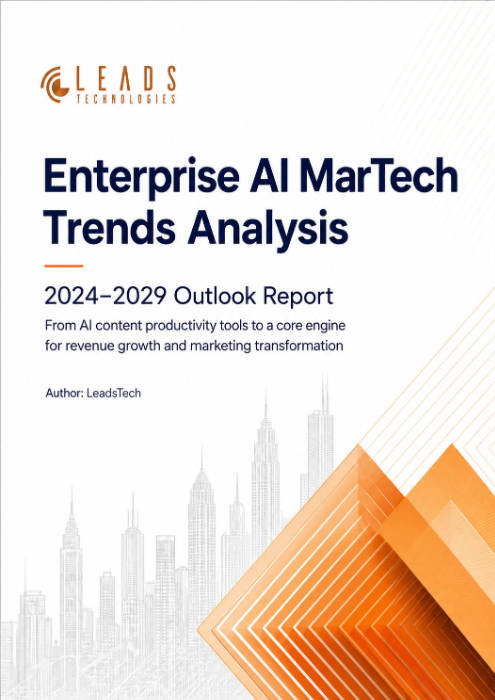
Enterprise AI MarTech Trends Analysis 2024-2029 Outlook Report
From AI content productivity tools to a core engine for revenue growth and marketing transformation
*The PDF will be sent directly to your inbox.
Email Error
Please enter a valid email address.
Thank You!
The whitepaper has been sent to your inbox. If you don’t see it, please check your spam or promotions folder.